YOU'RE READING · WU PRIORITY INVESTIGATION · LEGENDS / CRIME & CULTURE
Famous Thieves: What the Record Says Behind the LegendsNot every legend survives the evidence.
A source-led investigation into why some thieves become cultural icons, how their stories are amplified, and where the documented record diverges from the myth—from Bonnie and Clyde and Willie Sutton to Doris Payne, Stéphane Breitwieser and the Pink Panthers.
LEGENDS · CRIME HISTORY · WU MEDIA RECORD
01 · INVESTIGATION BRIEF
Separate notoriety from achievement.
Calling someone a 'greatest thief' can quietly turn criminal harm into admiration. This investigation uses documented convictions, law-enforcement records and contemporary reporting to distinguish what is verified from what later storytelling exaggerates.
Why do somethieves become famous?
Fame does not reliably measure criminal skill. The people and groups remembered most often usually combine several factors: an unusual method, large financial or cultural impact, strong visual imagery, repeated press coverage, mystery, distinctive personality, or a later film-and-book afterlife. The public story can become simpler and more glamorous than the criminal record.
What survives when thelegend is checked?
Bonnie and Clyde were violent fugitives, not simply romantic bank robbers. Willie Sutton's disguises and prison escapes are documented, but his reputation has been polished by decades of retelling. Doris Payne's record includes repeated jewel-theft convictions. Stéphane Breitwieser admitted stealing hundreds of artworks, many of which were later destroyed. The Pink Panthers are better understood as a transnational criminal network than a single cinematic-style gang.
Whatchanges the story?
Legal status, source quality, victim impact, whether a case was solved, and whether claims come from police, courts, the subject, journalists or later entertainment all matter. A thief's own account can be useful evidence about self-presentation, but it should not automatically be treated as neutral fact.
What the record supports—and where it stops.
A concise conclusion, the evidence supporting it, and the uncertainty that remains.
The most famous thieves are not necessarily the most successful or sophisticated; notoriety is shaped as much by storytelling, imagery and unresolved mystery as by the underlying crime.
FBI case records, INTERPOL material, court reporting and museum records show a recurring gap between popular mythology and documented events. Bonnie and Clyde became posthumous icons despite a violent record; the Pink Panthers became a global label for a network spanning many robberies; high-profile heists such as Antwerp and Dunbar became famous partly because of scale, insider access and the investigation that followed.
No global database ranks thieves by fame, skill or impact. Historical reporting is uneven, criminal groups change membership, some stolen-value estimates remain disputed, and living or recently prosecuted people must be described according to verified convictions, charges or attributed law-enforcement claims.
PLACE · DATE · SOURCEThe image can amplify the legend.
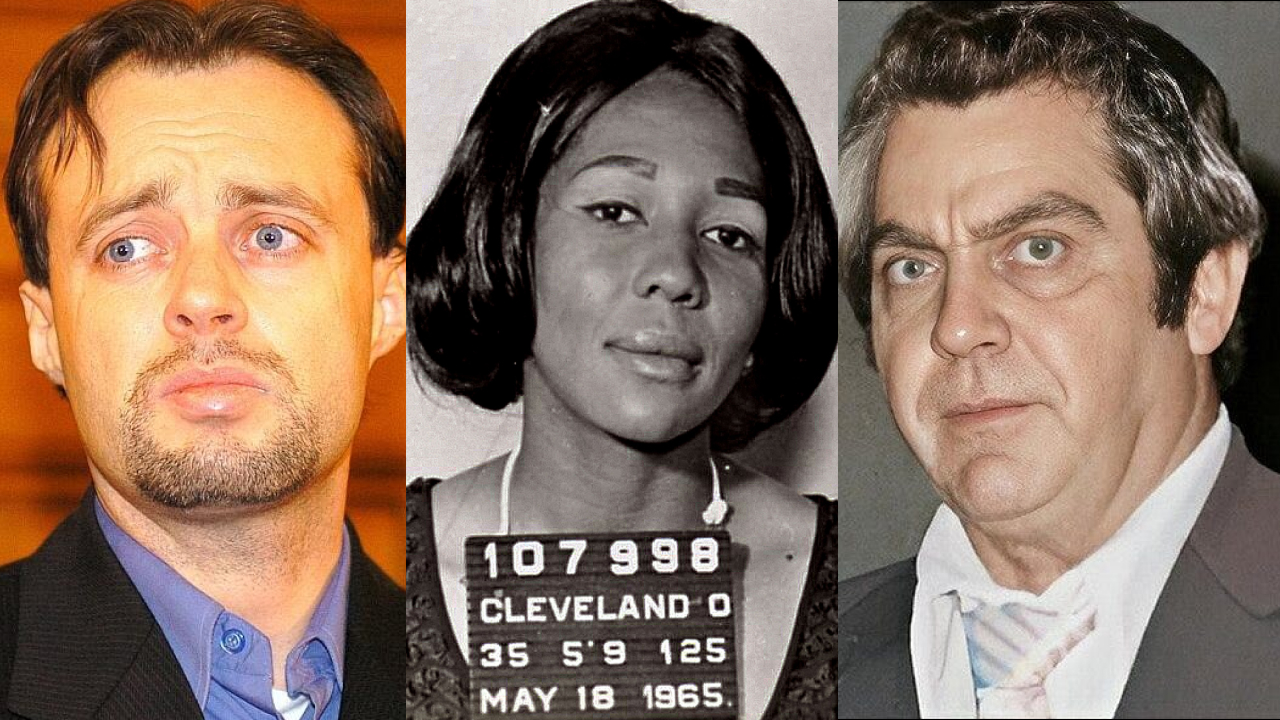
Posed photographs, surveillance stills, wanted posters and later film imagery strongly influence how criminals are remembered. Visual familiarity is not evidence that a person was unusually skilled or that popular retellings are accurate.
A photograph can document visible conditions. It cannot establish cause, trend or risk without supporting records.

Doris Payne

Stéphane Breitwieser

Pink Panthers
EXPERT / EVIDENCE INTERPRETATION
What the record supports.And where it stops.
The record supports a narrower conclusion than the old 'greatest thieves' list. Some cases are notable for scale, some for technique, some for repeated offending, and some because popular culture transformed them into symbols. Those are different categories. A responsible crime-history article should state convictions and official findings plainly, attribute disputed claims, avoid romanticising violence, and distinguish cultural fame from criminal effectiveness.
Author and Reader Experience Editor at WorldsUltimate. Zaib Un Nisa Khalid is a clinical psychology postgraduate, writer and editor. She reviews reader clarity, language, human context and the responsible treatment of personal experiences while contributing across travel, lifestyle and human-behaviour topics.
Specialist or editorial review is limited to what is actually checked and documented on the published article.
Keep the investigationcorrectable.
FBI · Bonnie and Clyde ↗
Official case history documenting the Barrow gang's robberies, violence, federal pursuit and 1934 deaths.
FBI · Willie Sutton ↗
Official history of Sutton's robberies, disguises, escapes, Top Ten status and arrest.
INTERPOL · Pink Panthers ↗
Documents the Pink Panthers as a transnational jewel-robbery network and INTERPOL's cross-border investigation.
Los Angeles Times · Dunbar armored robbery convictions ↗
Contemporary reporting on Allen Pace's conviction and the $18.9 million Dunbar robbery.
WIRED · Antwerp Diamond Heist ↗
Detailed reconstruction of the 2003 Antwerp Diamond Center burglary and Leonardo Notarbartolo investigation.
Dresden State Art Collections · Green Vault ↗
Museum record of the 2019 Green Vault burglary, stolen objects and subsequent security response.
U.S. Department of Justice · Lazarus financial cybercrime cases ↗
Federal allegations covering cyber-enabled bank theft attempts including Bangladesh Bank.
READER SIGNAL
Did this investigation answer the question?
ADD YOUR EVIDENCE
Your record can add missing context.
Include the place, date, what happened and a source editors can inspect. Submissions are moderated and do not automatically change the conclusion.
Audience submission · Add your evidence
Submit documented evidence
Your evidence enters a private moderation inbox. Automated spam and duplicate checks run first; a WU editor must then verify and approve it before it can appear publicly.