Butch Cassidy and the Sundance Kid were real American outlaws whose late-19th-century bank and train robberies later became inseparable from Wild West mythology. Butch Cassidy was Robert LeRoy Parker; the Sundance Kid was Harry Alonzo Longabaugh. Both were associated with the Wild Bunch and later fled the United States with Etta Place for South America.
Their story is often filtered through the famous 1969 film, but the historical record is more complicated. The pair lived in Argentina, were pursued by the Pinkerton agency, and are widely believed to have died after a 1908 shootout in San Vicente, Bolivia—although the identification of the bodies was never established beyond dispute. This page separates the documented history from the film and later legend.
Who Were Butch Cassidy and the Sundance Kid?
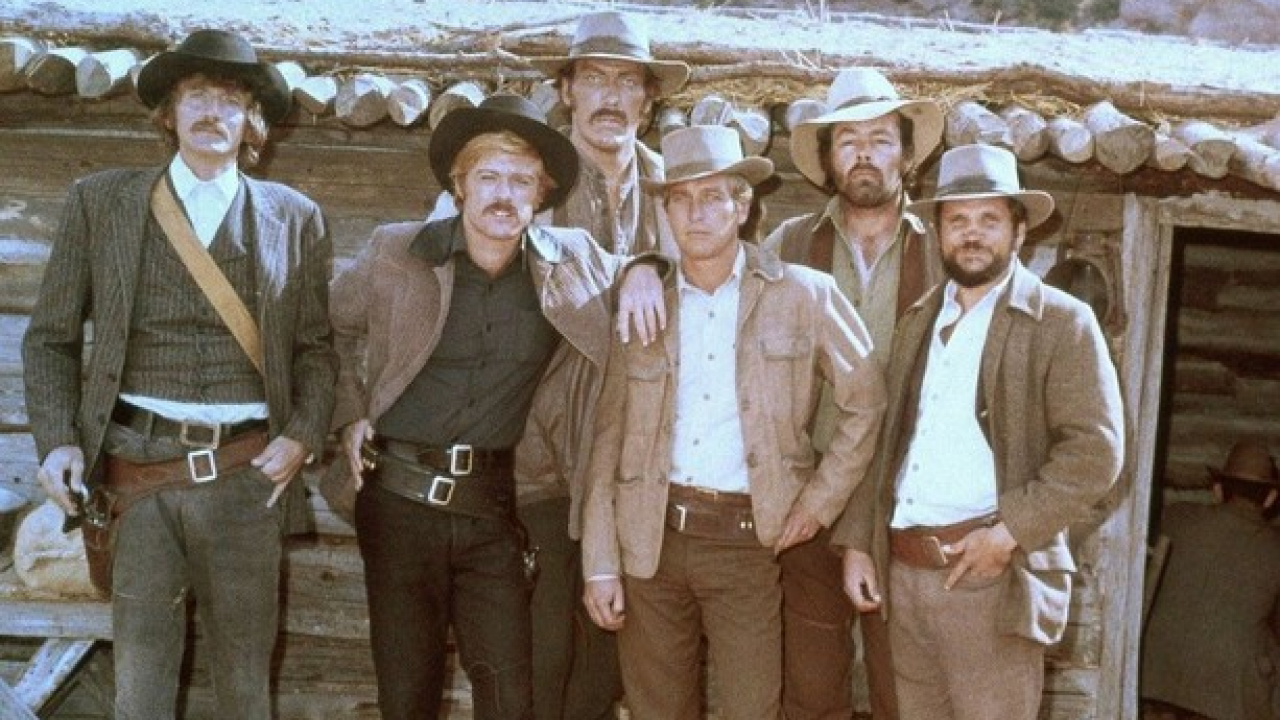
Butch Cassidy was born Robert LeRoy Parker in Utah Territory in 1866. PBS’s American Experience timeline records that he took the name Cassidy after an outlaw mentor and became involved in robbery during the late 1880s. He was convicted of horse theft in Wyoming in 1894 and released in 1896.
The Sundance Kid was Harry Alonzo Longabaugh, born in Pennsylvania in 1867. His nickname came from a jail term after a horse-theft arrest near Sundance, Wyoming. By the 1890s, Longabaugh was moving through the same outlaw networks later associated with Cassidy.
They became two of the most recognisable figures associated with the Wild Bunch, but the popular image of a single tightly organised gang is misleading. Members and partners changed between robberies, and different groups worked together at different times.
What Was the Wild Bunch?
The Wild Bunch was a loose network of western outlaws connected with bank, train and payroll robberies. Britannica notes that members paired off or formed groups for individual crimes rather than operating as one fixed organisation.
PBS records major robberies associated with Cassidy and his circle, including the 1889 San Miguel Valley Bank robbery, the 1896 Montpelier bank robbery and the 1899 Union Pacific train robbery near Wilcox, Wyoming. Pinkerton detectives intensified their pursuit after the Wilcox robbery.
For event-based coverage of robberies rather than individual outlaw biographies, see Biggest Heists in History. For the broader people-and-groups cluster, see Famous Thieves in History.
Why Did They Leave the United States?
By the turn of the century, law-enforcement pressure and Pinkerton surveillance made life in the United States increasingly difficult for the group. In February 1901, PBS records that Cassidy, Longabaugh and Etta Place sailed from New York for Argentina.
They settled on a ranch in Patagonia. Historical accounts indicate that they attempted a quieter life for a period, but concern about detection and later robberies drew them back into the orbit of law enforcement.
What Happened in South America?
Cassidy, Longabaugh and Etta Place lived in Argentina after leaving the United States. Place later disappeared from the historical record, while Cassidy and Longabaugh moved through South America and were later linked with robberies in Bolivia.
According to PBS, in early November 1908 two men identified as the outlaws robbed payroll guards connected with the Aramayo silver mine and fled into the Bolivian interior. Within days, two foreign bandits were cornered in San Vicente and died after a gun battle.
Did Butch Cassidy and the Sundance Kid Die in Bolivia?
The mainstream historical account is that Cassidy and Longabaugh died in San Vicente, Bolivia, in November 1908. PBS presents that version in its detailed chronology, and most modern biographies treat it as the most likely outcome.
But the case is not perfectly closed. The bodies were buried without a conclusive modern identification, and later stories claimed that one or both men survived and returned under other names. Those survival stories have produced books, family accounts and attempted identifications, but they have not displaced the 1908 San Vicente account as the dominant historical interpretation.
WU therefore treats their deaths as highly probable rather than proven beyond all dispute. Claims that DNA definitively proved they survived are too strong for the evidence available.
Butch Cassidy and Sundance: Record vs Legend
| Claim | What the evidence supports |
|---|---|
| The Wild Bunch was one rigid, centrally organised gang | No. Historical accounts describe a shifting network whose members grouped for different robberies. |
| Butch Cassidy and Sundance were purely fictional characters | No. Robert LeRoy Parker and Harry Alonzo Longabaugh were real historical outlaws. |
| They fled the United States for South America | Well documented; Cassidy, Longabaugh and Etta Place sailed for Argentina in 1901. |
| They definitely died in Bolivia in 1908 | The San Vicente shootout is the leading historical explanation, but the bodies were not conclusively identified by modern standards. |
| The 1969 movie is a reliable historical record | No. It is a fictionalised film based on the real figures and takes substantial dramatic liberties. |
How the 1969 Film Changed the Legend
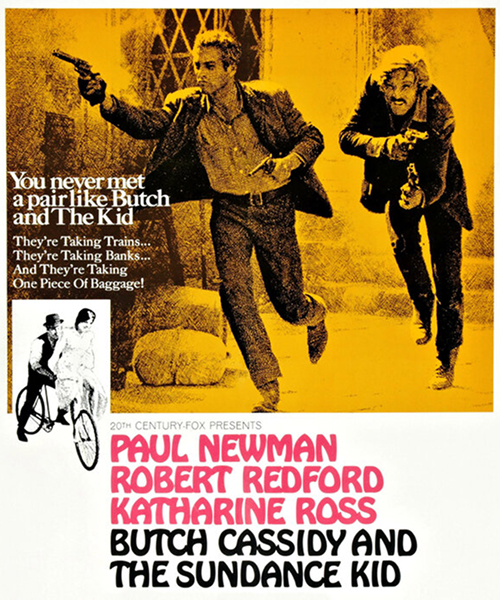
George Roy Hill’s 1969 film Butch Cassidy and the Sundance Kid, starring Paul Newman and Robert Redford, transformed the pair into enduring pop-culture characters. The Library of Congress added the film to the National Film Registry in 2003.
The film belongs to cultural history, not to the evidentiary record of the robberies. Its dialogue, character dynamics and dramatic ending should not be used to infer the real personalities or exact final moments of Cassidy and Longabaugh.
Key Timeline
- 1866: Robert LeRoy Parker (Butch Cassidy) is born in Utah Territory.
- 1867: Harry Alonzo Longabaugh (the Sundance Kid) is born in Pennsylvania.
- 1887–1888: Longabaugh serves jail time after a horse-theft conviction near Sundance, Wyoming.
- 1889: Cassidy is associated with the San Miguel Valley Bank robbery.
- 1894–1896: Cassidy serves a Wyoming prison sentence for horse theft.
- 1899: Wild Bunch members rob a Union Pacific train near Wilcox, Wyoming; Pinkerton pursuit intensifies.
- 1901: Cassidy, Longabaugh and Etta Place sail from New York to Argentina.
- 1908: Two men widely believed to be Cassidy and Longabaugh die after a shootout in San Vicente, Bolivia.
- 1969: The film Butch Cassidy and the Sundance Kid is released.
- 2003: The Library of Congress adds the film to the National Film Registry.
Sources and Evidence Limits
- PBS American Experience · Butch Cassidy and the Sundance Kid Timeline — detailed chronology of both men, the Wild Bunch, South America and the 1908 San Vicente account.
- PBS American Experience · Butch Cassidy and the Sundance Kid — historical documentary context.
- Encyclopaedia Britannica · Wild Bunch — group structure and historical context.
- Library of Congress · National Film Registry — confirms the 1969 film’s 2003 Registry induction.
Evidence limit: much of the later Butch Cassidy/Sundance literature blends Pinkerton records, family recollection, local legend and film mythology. The 1908 Bolivian death account is the strongest historical interpretation, but uncertainty remains because the bodies were not conclusively identified by modern forensic standards.