Doris Payne became one of the best-known American jewel thieves because her documented criminal record stretched across decades and multiple jurisdictions. She was born in Slab Fork, West Virginia, in 1930, and later described how experiences of segregation, family hardship and early encounters in jewellery stores shaped the story she told about her life. Those accounts help explain how Payne understood her own history, but they should not be treated as a complete explanation for why she committed theft.
Payne belongs in WU’s Famous Jewel Thieves cluster because she is a documented individual offender, not because she can be objectively ranked as the “best” or “top” thief. Contemporary reporting, court records and later interviews establish a long pattern of jewellery theft, arrests and convictions. Her own recollections add detail, but self-reported episodes and motives require attribution.
Who Was Doris Payne?
Payne was the youngest of six children in a West Virginia family; her father worked in coal mining and her mother earned additional income sewing and doing alterations. The family later moved to Cleveland. In interviews, Payne described an early encounter in a jewellery store in which a shopkeeper became distracted while she was trying on a watch. She later presented that experience as an important moment in understanding how easily merchandise could be overlooked.
A long-form Associated Press account published by The Washington Post in 2005 documented a career spanning roughly half a century at that point, including thefts and arrests in several U.S. states and activity reported in Europe. The record is extensive, but not every theft attributed to Payne can be independently reconstructed from public sources.
What Does the Documented Record Show?
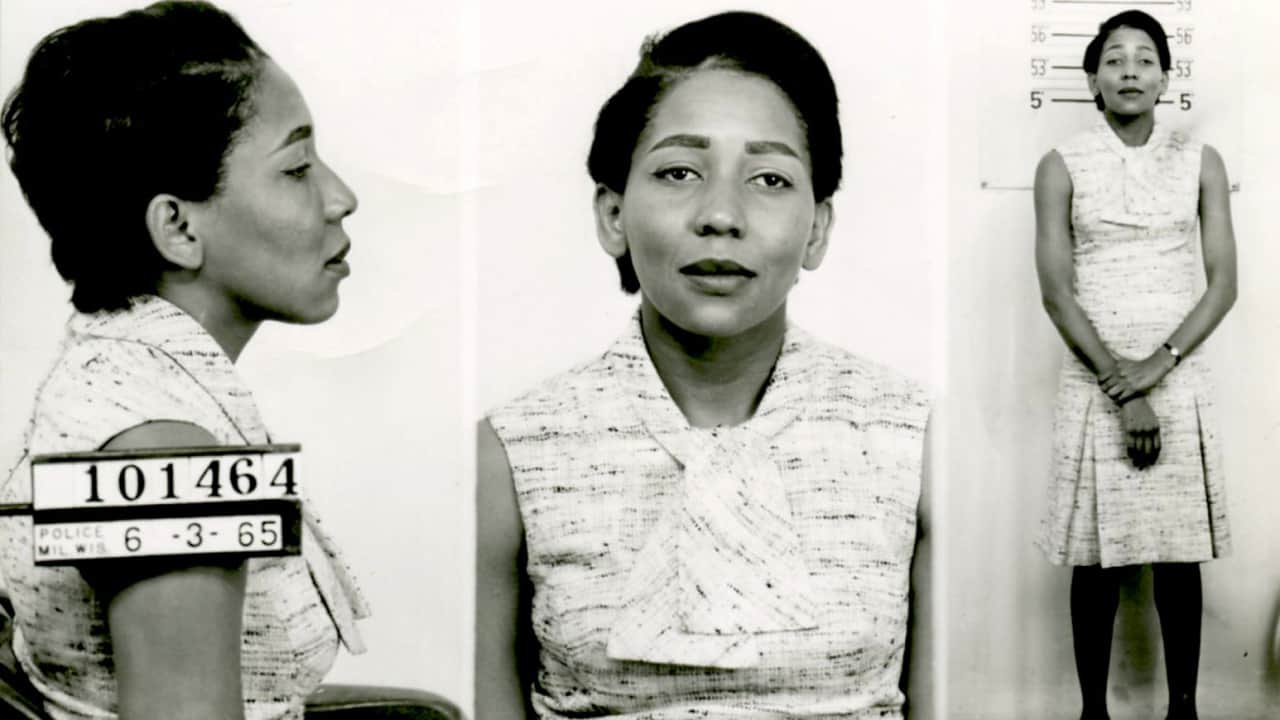
Payne’s public record includes thefts, arrests, convictions and prison terms over many decades. Reporting from 2005 described a 1997 theft at a Las Vegas Neiman Marcus involving a 2.48-carat diamond ring valued at about $36,000. It also noted that Payne later served almost five years in Colorado for a separate Neiman Marcus theft. These incidents should not be merged into one event or assigned a single headline value.
Her international reputation was already established by the 1970s. Payne told reporters that in 1974 she stole a diamond ring from Cartier in Monte Carlo and was detained during the investigation. Because parts of that episode come from Payne’s own retelling, WU treats the detailed narrative as attributed testimony rather than an independently verified step-by-step account.
Later cases are better documented through contemporary reporting. In 2014, Payne pleaded guilty to burglary and grand theft after taking a $22,500 diamond-encrusted ring from a store in Palm Desert, California. She received a four-year sentence split between county jail and mandatory supervision. Reporting also documents further theft allegations and convictions into her eighties. The important point is the continuity of the record—not a romantic claim that she was impossible to catch.
How Did Payne Describe Her Own Motive?
Payne often spoke openly about stealing in interviews and in later media. She described the activity in terms of challenge, confidence and the “game” of it rather than simply financial need. Those statements are useful evidence of how she presented herself, but they are not a psychological diagnosis and should not be converted into claims that race, poverty, thrill-seeking or a desire for power definitively caused her crimes.
Her childhood took place under racial segregation, and she repeatedly connected some early experiences to discrimination. That context matters to her biography. It does not make theft an inevitable response to discrimination, nor does it justify treating her criminal career as a symbol of “resilience.” WU separates social context, Payne’s own interpretation and the documented legal record.
The Life and Crimes of Doris Payne

The 2013 documentary The Life and Crimes of Doris Payne helped bring Payne’s story to a wider audience. It includes Payne speaking for herself alongside commentary from people familiar with her case. Like any documentary built partly around its subject’s recollections, it is useful for biography and self-description but should be checked against dated reporting and legal records when establishing specific incidents.
Payne also published the memoir Diamond Doris: The True Story of the World’s Most Notorious Jewel Thief. The memoir is valuable as Payne’s own account of her life, racial experiences and criminal career. It should be read as a first-person source rather than as an independent verification of every event it describes.
Why Doris Payne Became a Crime-History Figure
Payne’s historical significance comes from the unusual duration and geographic reach of her documented criminal record, combined with the fact that she gave extensive interviews about it. That created a large body of reporting in which legal facts, Payne’s own stories and later cultural mythology often overlap.
The strongest way to read the record is to keep those layers separate. Convictions and court outcomes establish particular offences. Contemporary reporting documents arrests, allegations and statements by investigators. Payne’s interviews and memoir explain how she wanted her life understood. None of those sources, by itself, proves that every story attributed to her happened exactly as later retellings describe it.
Doris Payne in the WU Crime & Heists Cluster
This page owns the Doris Payne person-profile intent. For comparison with other documented jewellery thieves and groups, use Famous Jewel Thieves in History. For the broader historical people-and-groups question, see Famous Thieves in History. Arthur Barry has a separate profile because his period, targets and source record are different.
Sources and Evidence Limits
- Associated Press / Washington Post, 2005 — detailed profile covering Payne’s background, reported thefts, aliases, arrests and statements from investigators.
- Washington Post, 2014 — contemporary reporting on Payne’s guilty plea and sentence in the Palm Desert ring case.
- The Life and Crimes of Doris Payne — documentary source useful for Payne’s self-description and cultural profile.
Evidence limit: Payne used aliases and operated across many jurisdictions over a very long period. Public reporting often repeats incidents from her own recollection, and later articles sometimes conflate dates, store locations and jewellery values. WU therefore avoids presenting one total stolen value, one definitive arrest count or a ranking of criminal “skill” unless a source clearly establishes the measure being used.