WORLDSULTIMATE · TRAVEL / SOLO TRAVEL
Solo Travel Safety: What Actually Reduces Risk?
An evidence-led investigation of solo travel safety: where risk changes, which precautions official guidance consistently supports, and what to do when a plan breaks.
Solo travel safety planning
01 · OVERVIEW
Safety is a system of backups, not a confidence test.
Solo travel safety is not one problem. It is a chain of decisions about destination, arrival, accommodation, transport, money, health, devices, social situations and what happens if the first plan fails.
The strongest official guidance is remarkably consistent: check current destination advice; make the first arrival simple; know where you will sleep; use reputable transport; keep trusted contacts informed; carry document and money backups; understand local laws and identity-specific risks; plan for medical care; and know how to reach local and consular help.
The practical goal is not to eliminate risk. It is to reduce avoidable exposure, notice when conditions have changed, retain a way to leave, and recover when something goes wrong.
What actually makes solo travel safer?
The most useful safety measures reduce dependence on a single point of failure. A lost phone should not also mean losing access to your hotel address, bank authentication, insurance details and emergency contacts. A late flight should not leave you with no safe arrival plan. A stolen wallet should not remove every way to pay. An illness should not be the first time you discover what your insurance excludes.
Official guidance from the UK, Australia and the United States repeatedly points to the same practical foundations: current destination research, itinerary sharing, document copies, working communications, secure accommodation, reputable transport, emergency contacts and appropriate insurance.
Solo travellers also need to account for the absence of a companion. You may be the only person making the decision, watching the bags, speaking to staff, arranging medical help or noticing that a situation has changed. That makes redundancy and pre-decided exit options more important.
No checklist guarantees safety. The value of preparation is that it reduces avoidable exposure and preserves options when circumstances stop matching the plan.
What does the strongest guidance consistently support?
Start with current destination-specific advice. The U.S. State Department checklist tells travellers to review advisories, entry requirements, local laws, health information and embassy contacts. The UK FCDO and Australia's Smartraveller make the same basic point: risk depends on where you are going and what is happening there now.
Plan the first hours carefully. Smartraveller advises solo travellers to research accommodation before arrival, avoid being left without somewhere safe to stay, and arrange daytime arrivals and transfers where possible. The UK guidance similarly recommends pre-arranged transport and reputable, licensed taxis.
Protect documents and access to money. The State Department recommends multiple copies of important travel documents, stored separately from the originals and shared with someone trusted. The UK guidance also recommends leaving itinerary and document copies at home and making sure emergency funds remain accessible.
Treat health as part of safety. CDC guidance tells travellers to know how they would obtain medical care abroad, check what their insurance covers, and consider travel-health and medical-evacuation cover where appropriate. Medication legality, supply and backup also vary by destination.
Social situations change risk. Smartraveller advises solo travellers not to advertise unnecessarily that they are alone, to stay in control of transport options, and to be cautious with alcohol. Its women-specific guidance adds that local gender norms, harassment risk and drink spiking can matter in ways that vary by country.
Digital security now belongs in the travel-safety plan. CISA advises travellers to update and lock devices, avoid sensitive transactions on open public Wi-Fi, verify hotspot names, protect location information and keep devices physically secure.
Finally, official consular guidance is clear about limits. Embassies and consulates can help with lost passports, information about local medical care, contacting family and lists of lawyers, but they do not investigate crimes or act as your lawyer. Crisis assistance also should not be treated as a substitute for having your own exit plan.
What changes the risk from one solo trip to another?
Risk changes with destination, neighbourhood, time of day, transport system, accommodation, activity, local law, health needs, connectivity, identity and current security conditions. A country-level reputation cannot describe all of those variables.
Transition points often deserve more attention than the destination headline: airport to hotel, station to accommodation, nightlife venue to room, border crossing to onward transport, or a remote activity back to a populated area. Those are moments when fatigue, poor orientation, luggage, money and time pressure can combine.
Permanent 'safest country' lists are therefore weak decision tools. Peace indexes, crime statistics and traveller surveys can add context, but they do not directly measure the risk faced by one solo traveller on one route tonight. Current local advice, recent reviews, transport conditions and the traveller's own medical or identity-related needs may matter more.
Experience helps, but it does not make current information optional. A frequent solo traveller can still be caught by a changed advisory, a new scam pattern, a transport disruption or a medication rule that did not apply on the previous trip.
The solo-travel risk map
Use these layers as a pre-trip and on-the-ground check. The point is not to fear every category; it is to see where a single failure could cascade into several problems.
Make the first landing simple
The first hours combine fatigue, luggage, navigation and unfamiliar transport.
- Prefer a clear arrival plan, especially late at night.
- Know the accommodation address offline.
- Read recent reviews for access and safety concerns.
- Have a backup place to stay if the booking fails.
Protect the transition points
Transport risk changes by destination, operator, time and route.
- Use licensed or reputable services appropriate to the destination.
- Know the route before getting into a vehicle.
- Keep control of how you will leave a social venue or remote area.
- Treat overnight and isolated transport as a separate risk decision.
Do not let one loss become total loss
A stolen bag is much harder to solve if every card, document and recovery method is in it.
- Keep copies of key documents separate from originals.
- Separate backup payment access from the main wallet.
- Store emergency contacts offline as well as on the phone.
- Know the passport-replacement process before departure.
Plan for illness while alone
A manageable health problem can become a logistics problem when no companion is available.
- Know where credible medical care is available.
- Check what existing insurance actually covers abroad.
- Carry required medication legally and with enough supply for delays.
- Consider evacuation coverage when the route makes emergency transport difficult.
Keep control of the exit
The core question is whether you can leave a situation on your own terms.
- Keep drinks under your control and limit impairment.
- Meet new people in places where leaving is straightforward.
- Do not disclose unnecessary accommodation details.
- If something feels wrong, prioritise leaving over politeness.
Your phone is also your travel infrastructure
Navigation, banking, identity, tickets and communication may all depend on one device.
- Update, lock and back up devices before travel.
- Avoid sensitive transactions on open public Wi-Fi.
- Keep backup authentication or recovery methods.
- Do not broadcast real-time location publicly.
The same route is not the same trip for everyone
Gender, sexuality, disability, ethnicity, nationality and health can change legal and social risk.
- Check destination-specific guidance for your identity and circumstances.
- Women travelling alone may face additional harassment or assault risk in some places.
- Local law can matter as much as social custom.
- Do not assume advice written for one traveller profile transfers unchanged to another.
Watch patterns, not stereotypes
Travellers are targeted because they are distracted, unfamiliar and carrying useful assets.
- Be cautious with unsolicited help around transport, ATMs and tickets.
- Protect phones and bags in crowded areas.
- Verify unusual payment or booking requests through a second channel.
- Do not let urgency force a decision you would normally check.
If something goes wrong
A safety article should still be useful after prevention has failed. These are first-response principles, not substitutes for local emergency instructions.
Passport lost or stolen
Get somewhere safe, report or cancel the document as required by your issuing country, and contact your embassy or consulate for replacement procedures. Keep copies and identity details separate from the original.
Victim of theft or assault
Prioritise immediate safety and medical care. Contact local authorities where appropriate, preserve relevant records, then use your embassy or consulate for information on local services, document replacement and support options.
Ill or injured
Use the medical plan you prepared before travel. Contact the insurer or assistance provider when practical, keep records and receipts, and do not assume ordinary domestic health coverage includes overseas treatment or evacuation.
Phone or wallet lost
Move quickly to the backup plan: lock or erase the device if possible, secure financial accounts, use the separate payment method, and access offline copies of accommodation, insurance and emergency contacts.
Transport or accommodation feels unsafe
Leave while a safer option is still available. Move to a populated place, contact someone you trust, change the booking or transport plan and document the issue once you are secure.
Crisis or sudden unrest
Follow local authority instructions and current official alerts. If you can safely leave a dangerous area using your own plan, do so rather than waiting for an assumed evacuation. Keep family or trusted contacts updated.
What the record supports—and where it stops.
A concise conclusion, the evidence supporting it, and the uncertainty that remains.
Solo travel is not automatically safe or unsafe. Risk is shaped by destination-specific hazards, exposure, logistics, identity, health needs and the traveller's ability to detect change, exit a situation and recover when a plan fails.
Current guidance from the FCDO, Smartraveller, the U.S. Department of State, CDC and CISA consistently supports destination research, secure arrival and accommodation, reputable transport, communication and document redundancy, health planning, digital security and realistic emergency preparation.
Official advisories are written for their own citizens, can change quickly and do not predict an individual's outcome. Practitioner experience can reveal useful patterns but is not the same as population-level evidence. No checklist removes risk.
 IN CONTEXT
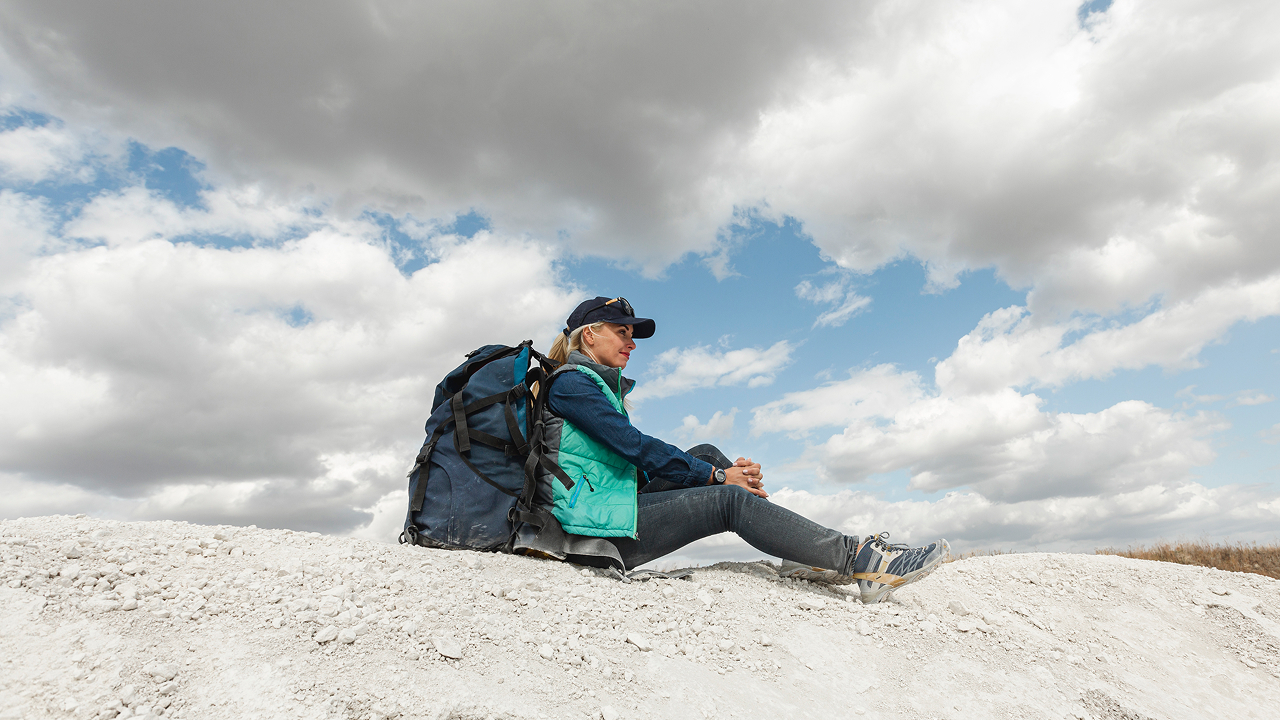
Safety planning is visible in the backups.
The most useful preparation is not decorative gear. It is a route you understand, a safe first arrival, current advice, reliable communication, document and payment backups, medical planning and a clear way to leave when the situation changes.
A photograph can document visible conditions. It cannot establish cause, trend or risk without supporting records.
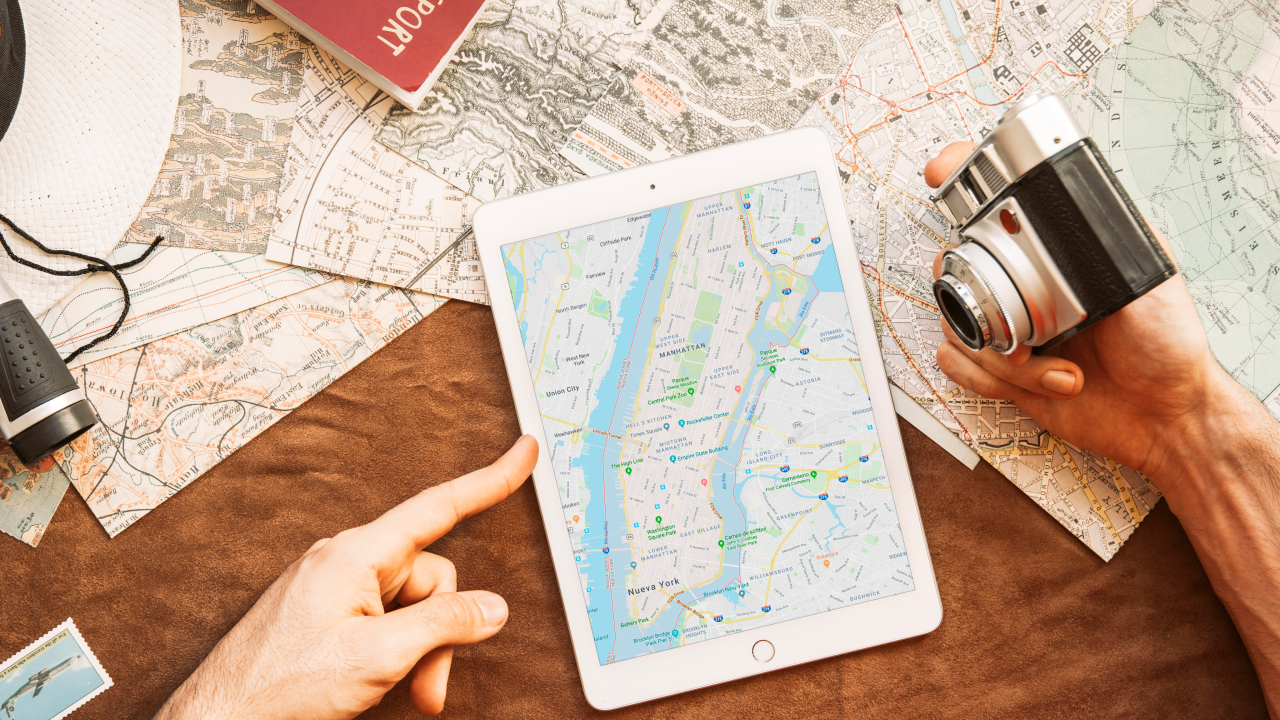
Research the destination
Plan transport and accommodation

Leave room to reassess
EVIDENCE AND CONTEXT
What the record supports. And where it stops.
Zaib un Nisa Khalid's psychology background is most relevant to the human decision layer: anxiety, fatigue, boundaries, isolation, cognitive load and the difference between feeling confident and being prepared. It does not make her a destination-security authority, so country risk, crime and emergency-response claims remain grounded in current official guidance.
Author and Reader Experience Editor at WorldsUltimate. Zaib Un Nisa Khalid is a clinical psychology postgraduate, writer and editor. She reviews reader clarity, language, human context and the responsible treatment of personal experiences while contributing across travel, lifestyle and human-behaviour topics.
The sources and context help explain what is known, what remains uncertain and where to read further.
Understanding the details.
A useful psychological distinction is between vigilance and hypervigilance. Some alertness helps a traveller notice changes; constant threat-scanning can exhaust attention and make judgement worse. Reducing avoidable decision load before departure is therefore practical: decide the first-night accommodation, arrival transport, check-in routine, emergency contacts and backup payment access while calm.
Boundaries also matter. Official UK guidance makes an unusually direct point: being safe matters more than being polite. That is useful beyond women-specific travel. Solo travellers can pre-decide what will trigger an exit: pressure to move to a private location, loss of control over transport, unexpected changes to accommodation, repeated boundary-pushing, drink uncertainty, or a situation that no longer matches what was agreed.
Confidence should be treated as an output, not a safety measure. Experienced solo travellers such as Janice Waugh offer valuable practitioner insight about staying public, protecting accommodation information, noticing cons and maintaining situational awareness. That experience complements official guidance, but it should not replace destination-specific evidence.
A practical way to prepare for solo travel is to reduce avoidable risks, notice when a situation changes, keep a safe way to leave and know what to do if plans go wrong. Share essential travel details with someone you trust, identify reliable transport options and keep access to emergency contacts and important documents.
Keep the investigation correctable.
UK FCDO · Solo and independent travel ↗
Current official guidance on planning, itinerary sharing, insurance, transport, accommodation, personal safety and identity-specific risks for solo travellers.
UK FCDO · Advice for women travelling abroad ↗
Official guidance on gender-specific risks, local norms, harassment, sexual violence and destination research.
Smartraveller · Safety tips for solo travellers ↗
Australian government guidance covering accommodation, transport, communication, social situations, mental-health preparation and women-specific precautions.
U.S. Department of State · International Travel Checklist ↗
Official checklist for destination advisories, laws, documents, health information, embassy contacts and travel preparation.
U.S. Department of State · Victims of Crime ↗
Explains what consular staff can and cannot do after a crime abroad, including passport, medical and local-resource assistance.
U.S. Department of State · Crisis Response and Evacuations ↗
Official crisis-preparation and emergency-contact guidance, including the limits of government evacuation assistance.
CDC · Travelers' Health ↗
Destination-specific health guidance and planning for medical care, medication, insurance and medical evacuation.
CISA · Cybersecurity While Traveling ↗
U.S. cybersecurity guidance on device updates, public Wi-Fi, mobile-device security, phishing and protecting sensitive information while travelling.
Solo Traveler · Five Fundamentals of Solo Travel Safety ↗
Practitioner experience from Janice Waugh. Useful for real-world safety patterns and traveller judgement; treated here as experience, not as an official risk authority.
READER SIGNAL
Did this investigation answer the question?
ADD YOUR EVIDENCE
Your record can add missing context.
Include the place, date, what happened and a source editors can inspect. Submissions are moderated and do not automatically change the conclusion.
Audience submission · Add your evidence
Submit documented evidence
Your evidence enters a private moderation inbox. Automated spam and duplicate checks run first; a WU editor must then verify and approve it before it can appear publicly.