WU Evidence Guide · Safari
Compare Africa’s leading safari destinations through traveller journeys, expert context and real trade-offs in wildlife, crowds, seasonality, access and cost.
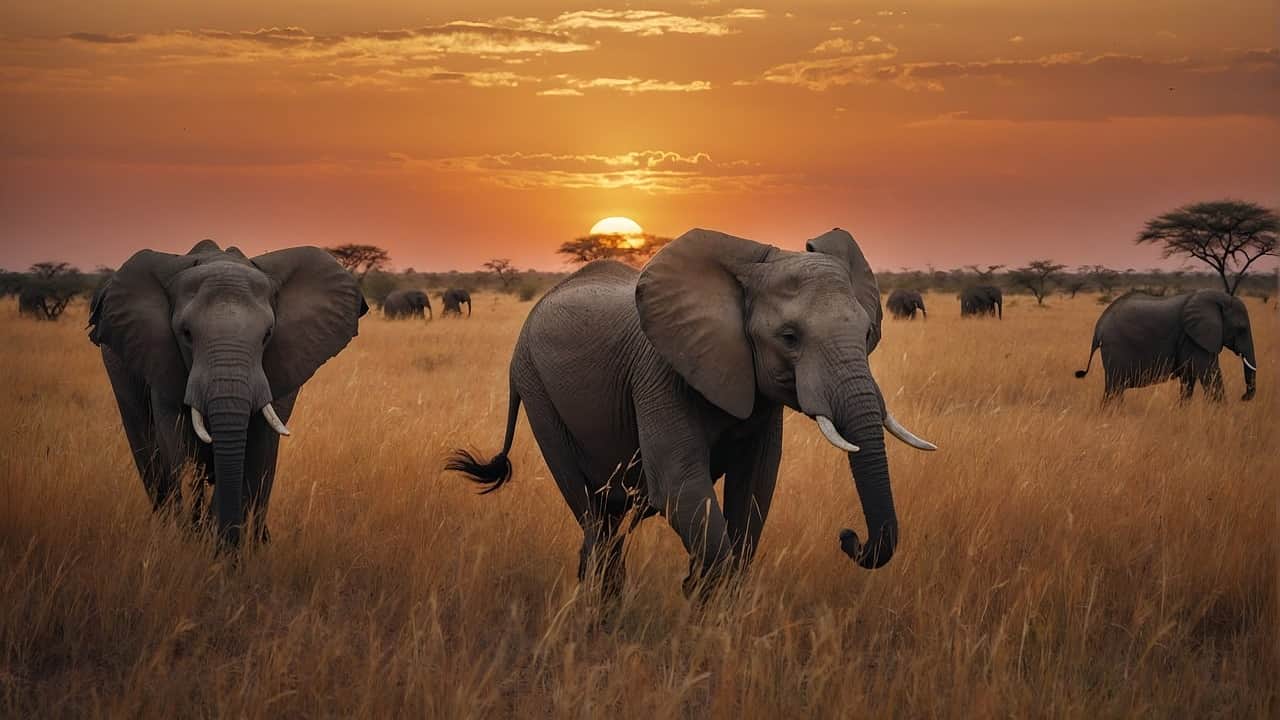
The short answer
There is no single best safari destination in Africa.
Start with the kind of safari you want. Kenya and Tanzania are known for savannah and migration routes, while South Africa suits many self-drive trips. Botswana and Zambia offer different wilderness and river experiences. Uganda and Rwanda focus on regulated primate trekking; Namibia suits travellers drawn to wide landscapes and self-drive routes.
The evidence supports a fit-based comparison, not a universal numbered ranking. Wildlife movement, weather, guide decisions, access and crowding can change the same safari from one journey to another.
The useful truth: country reputation is only the beginning. The exact park, month, camp, guide, vehicle density, transfer plan and activity rules often change the safari more than a generic “best destination” ranking suggests.
Journey synthesis
What real safari journeys reveal beyond the country name
The journeys do not produce one winning country. They show that where you drive, when you arrive and how the guide reads the landscape can matter more than the flag on the itinerary. Famous reserves may deliver extraordinary wildlife alongside traffic around sightings. Greener or quieter months can still be rewarding, while remote areas often trade easy logistics for space, silence and specialised activities.
Where you actually stay and drive
Camp location, concession rules, road network and distance from high-interest sightings can matter more than the country label.
Season changes probabilities
Rainfall, water levels, road access and animal movement reshape the same park. A calendar window is not a wildlife appointment.
The guide is part of the experience
Whether a guide joins a vehicle cluster, searches elsewhere, manages distance or changes route can materially alter crowding and wildlife encounters.
WU boundary: these findings identify repeated planning signals across the assembled evidence. They do not turn individual traveller reports into guarantees about an entire park or country.
REPEATED MISTAKES FROM THE EVIDENCE
Mistakes that distort a safari comparison
- Choosing by country alone: parks within one country can differ more than neighbouring cross-border ecosystems.
- Treating migration dates as appointments: rainfall and grazing conditions move animals; a calendar window is not a sighting guarantee.
- Assuming “remote” means uncrowded: vehicle density depends on the exact reserve, concession, camp and season.
- Comparing only nightly lodge rates: bush flights, permits, park fees, private vehicles and transfers can change the real trip cost substantially.
- Equating reintroduced wildlife with untouched wilderness: active restoration can be valuable, but the management history should be stated.
- Ignoring activity risk and fitness: walking, canoeing and gorilla trekking require different preparation from vehicle-based game viewing.
WU PATHFINDER
Start with the experience, not the country
Use this as the beginning of the decision, not the final verdict. A country may look right on paper, but the park, camp, month, road or air transfer and permitted activities will shape the safari you actually experience.
How to use Pathfinder: choose the experience you care about most first, then compare the suggested destinations on season, route, guide model, crowd tolerance and total trip cost. If two destinations remain close, the park and camp decision should break the tie—not a country-level ranking.
| Your priority | Start by comparing | Reality check |
|---|---|---|
| First safari | Kenya + Tanzania + South Africa | Choose between guided classic circuits and easier self-drive/logistics rather than chasing the longest species list. |
| Migration | Kenya + Tanzania | Exact month, camp position and rainfall matter; migration timing is never an appointment. |
| Family | Kenya + South Africa | Check age rules, drive length, malaria advice, family-room setup and downtime between activities. |
| Photography | Kenya + Tanzania + Botswana + Zambia | Vehicle position, guide decisions, guest numbers and photography restrictions can matter more than country reputation. |
| Self-drive | South Africa + Namibia | Road surface, daily distance, gate times, fuel, tyres and breakdown support are part of safari quality. |
| Remote wilderness | Botswana + Zambia | Lower density often means higher cost, bush flights, seasonal camp operation and more complex logistics. |
| Walking safari | Zambia | Guide credentials, fitness, season and current walking rules matter more than the destination label. |
| Primates | Uganda + Rwanda | Permit rules, trek fitness, group management and wildlife-health safeguards are central to the decision. |
| Restoration story | Malawi | Separate successful wildlife reintroduction from independent evidence of community and conservation outcomes. |
DESTINATION PROFILES
Destination profiles
Each profile uses the same planning fields so countries can be compared without pretending that one safari style fits every traveller.
DESTINATION PROFILE
Kenya
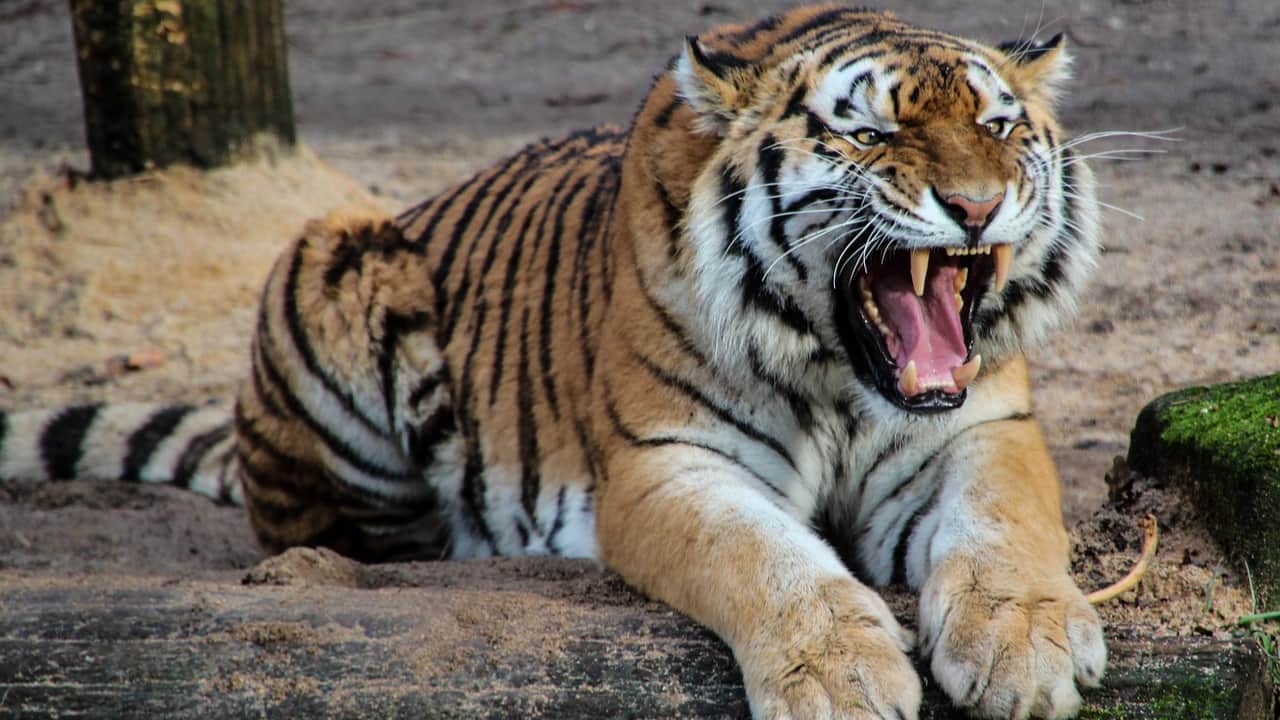
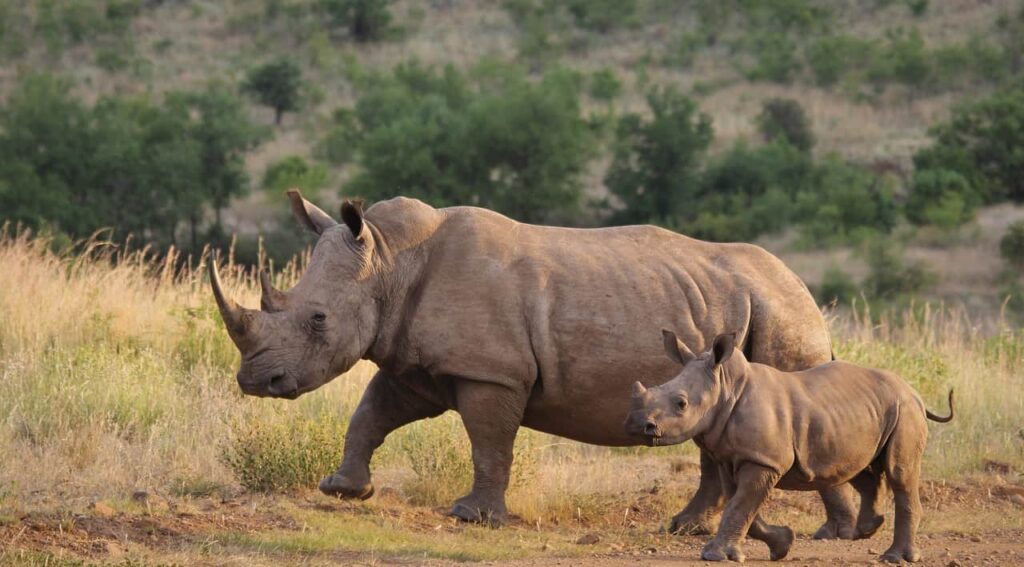
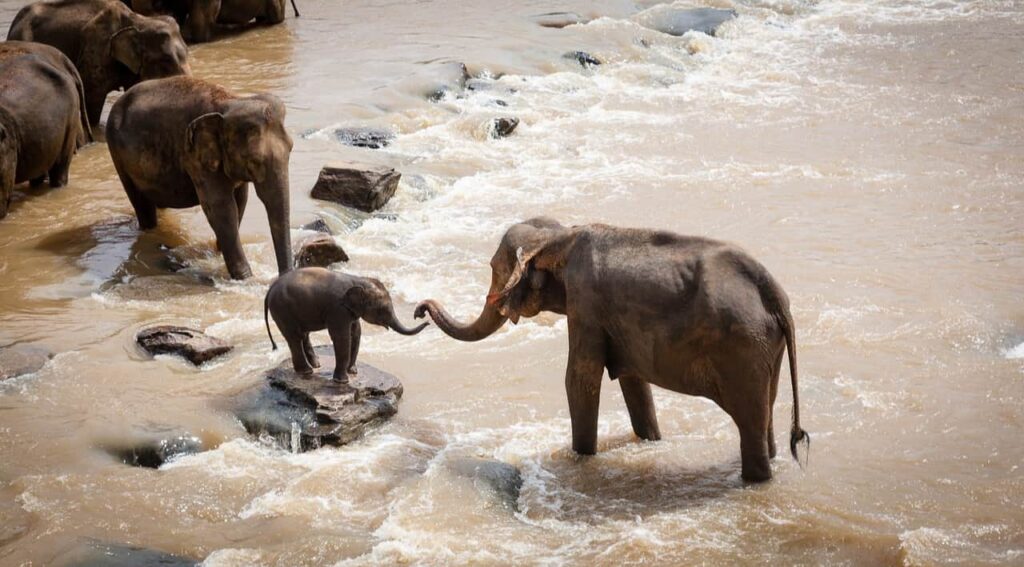
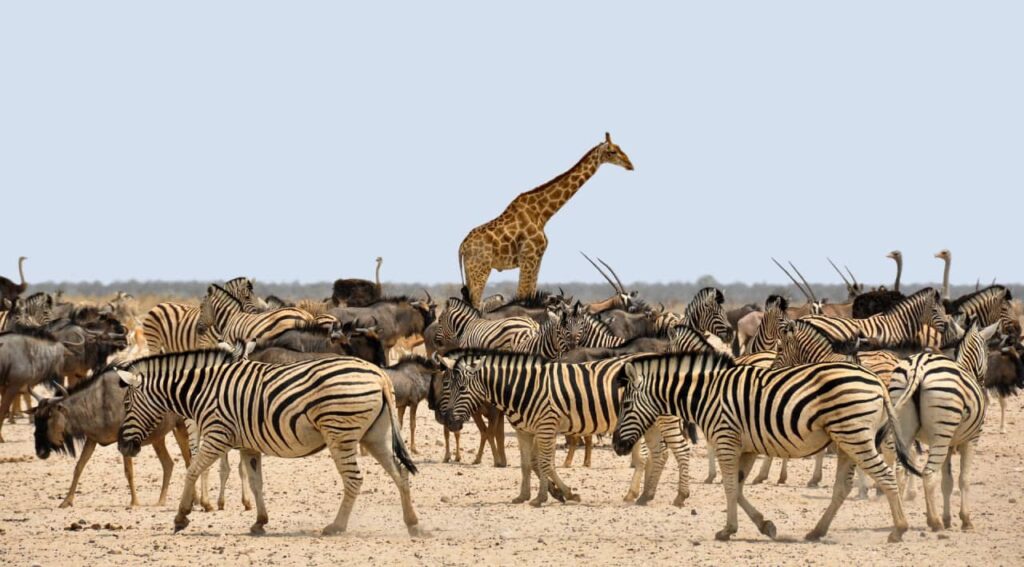
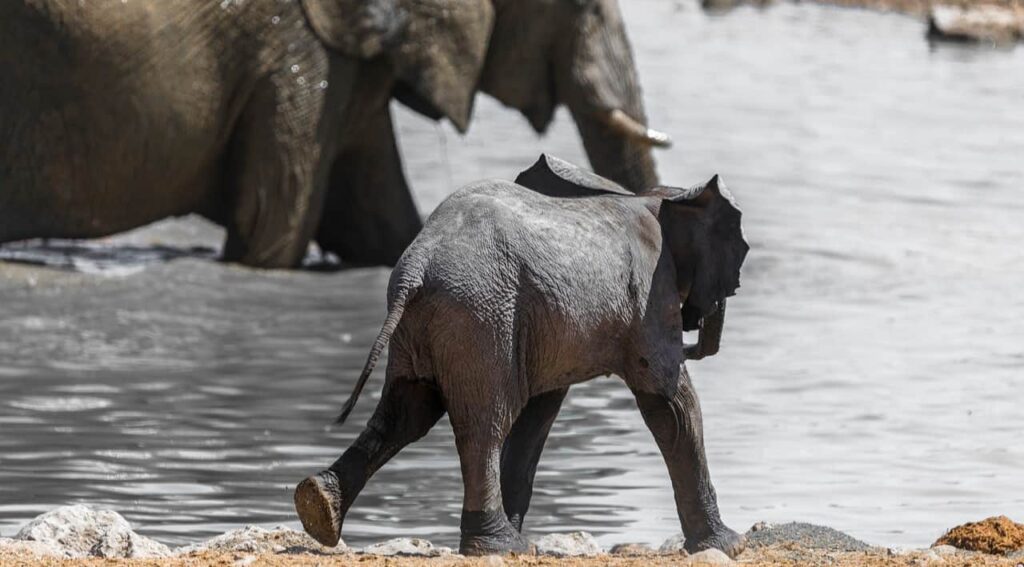
Kenya’s national parks, reserves and conservancies support several distinct safari styles. The Greater Mara suits travellers interested in open savannah, big cats and the seasonal movement of wildebeest and zebra. Amboseli is strongly associated with elephants and Kilimanjaro views, while Samburu and Tsavo provide different landscapes, wildlife communities and travel rhythms.
Why choose this destination
Established safari circuits make it relatively straightforward to combine classic savannah, big cats, elephants and different reserve models in one journey.
- LOCATION
- East Africa; Indian Ocean coast to central highlands and northern rangelands
- AGE SUITABILITY
- Many family itineraries possible; camp and activity age rules vary
- WEATHER
- Rainfall changes roads, vegetation and wildlife distribution
- TYPICAL SAFARI
- Guided multi-park game-drive circuit
- BEST FOR
- First safaris, savannah wildlife, migration-focused routes and families
WHAT TO EXPECT
Game drives are the core activity, with the experience changing substantially between the Greater Mara, Amboseli, Tsavo and northern reserves.
CAVEATS
Popular areas can experience high vehicle density, and migration timing or individual wildlife sightings cannot be guaranteed.
Nairobi → Amboseli → Greater Mara, or a northern variation through Samburu before the Mara.
Evidence expanding; formal journey records and public reports support the crowding, guide-decision and migration-timing cautions, with human verification still required for individual records.
Key safari areas and what changes between them
| National Parks & Reserves | Key Features |
| Masai Mara National Reserve | Part of the seasonal Serengeti–Mara migration system, with open savannah and big-cat viewing. |
| Amboseli National Park | Elephant viewing, seasonal wetlands and open views towards Mount Kilimanjaro. |
| Tsavo National Parks (East & West) | Two adjoining parks with extensive semi-arid landscapes, rivers and long driving routes. |
| Lake Nakuru National Park | Rift Valley lake habitat with changing bird concentrations and protected rhino populations. |
| Samburu National Reserve | Northern Kenyan habitat associated with Grevy’s zebra and reticulated giraffe. |
Amboseli lies near the Tanzanian border and is known for elephant viewing and open views towards Mount Kilimanjaro. It is on Kenya’s UNESCO Tentative List; it should not be described as an inscribed World Heritage Site. Tsavo East and Tsavo West form an extensive protected landscape with longer travel distances and a different experience from the concentrated wildlife viewing associated with the Greater Mara ecosystem. The Maasai Mara is the Kenyan part of the wider Serengeti–Mara system through which the migration moves seasonally.
Continue planning: Family safaris in East Africa
Wildlife and safari differences
Kenya supports a wide range of mammals, birds, reptiles and amphibians across savannah, wetland, forest, mountain and arid ecosystems. The animals a traveller is likely to encounter depend far more on the chosen reserve, habitat, season and recent conditions than on a national species total.
The Maasai Mara National Reserve is one part of the wider Greater Mara ecosystem, which also includes community land and private conservancies. These areas can offer different vehicle densities, accommodation styles, access rules and relationships with local landholders. Travellers should compare those differences directly instead of assuming every “Mara” safari provides the same experience.
DESTINATION PROFILE
Tanzania
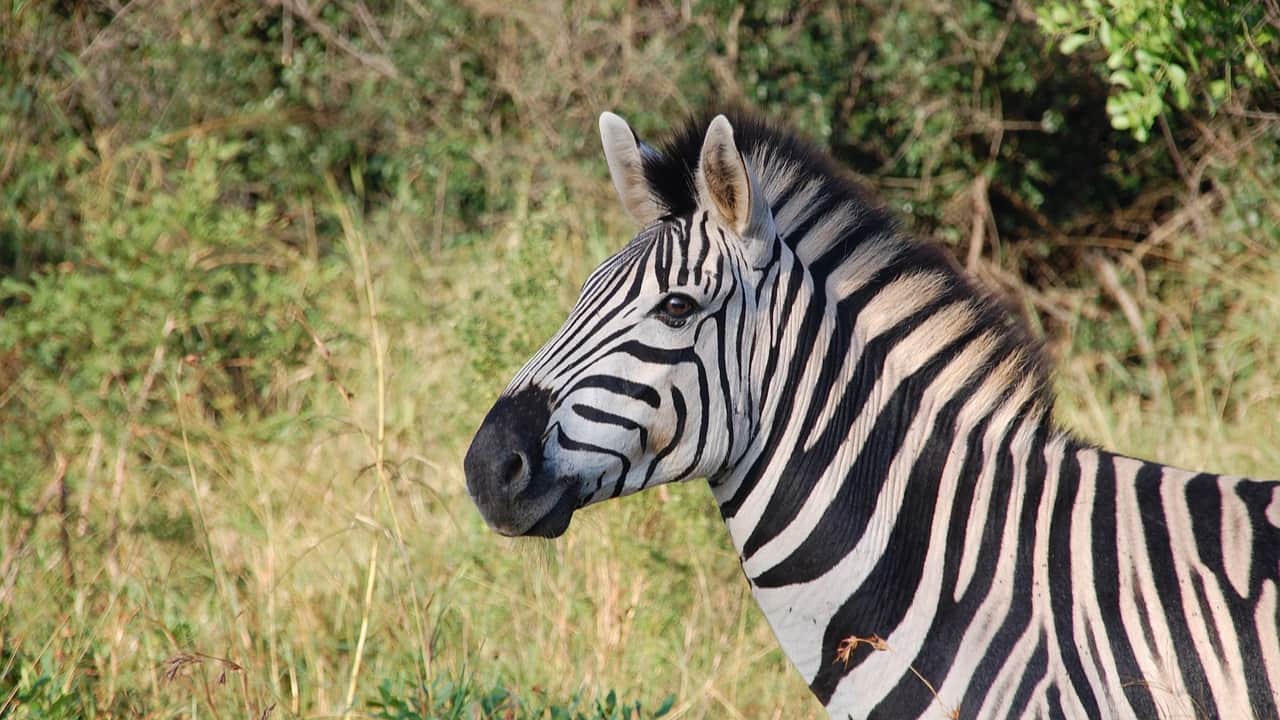
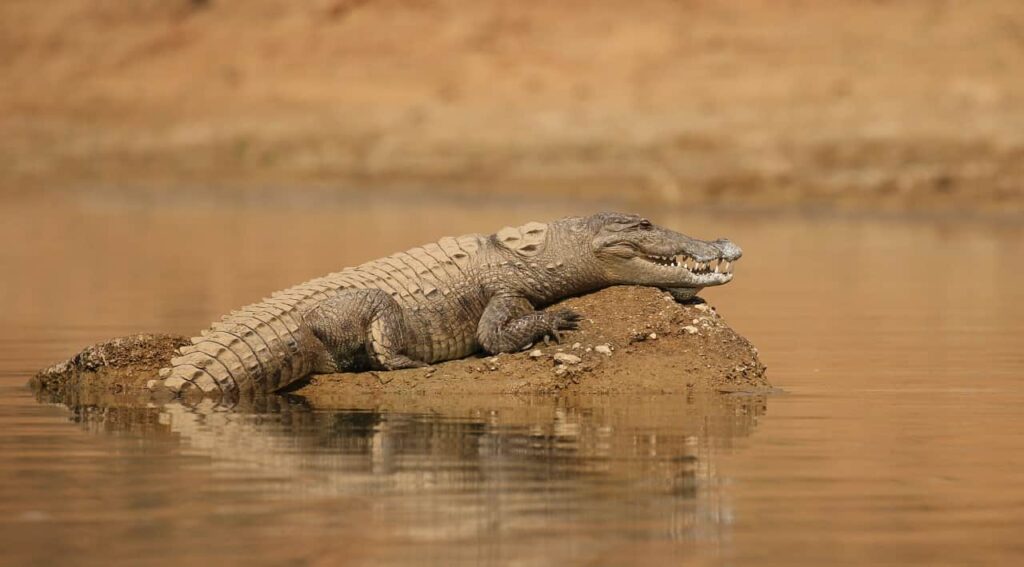
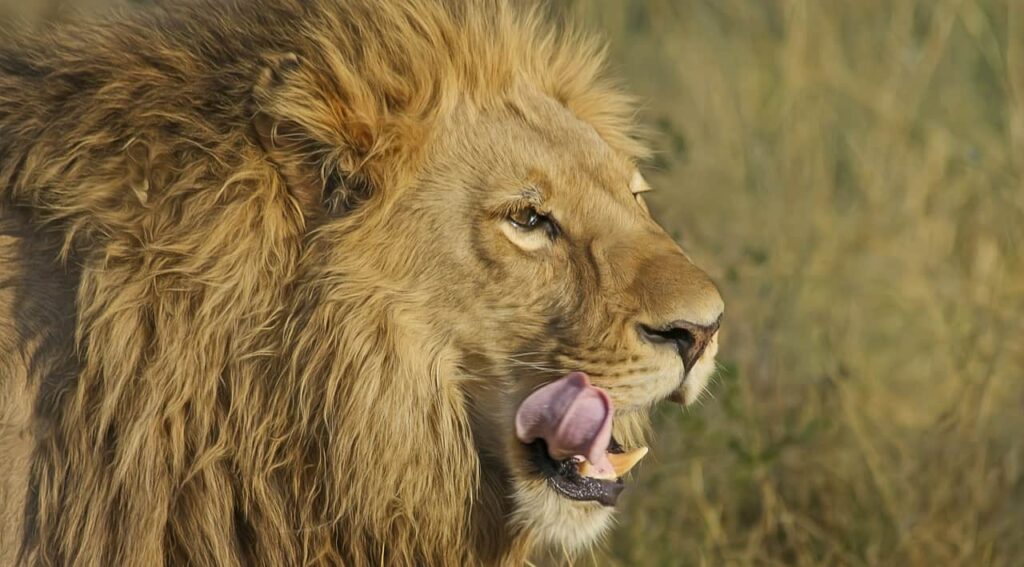
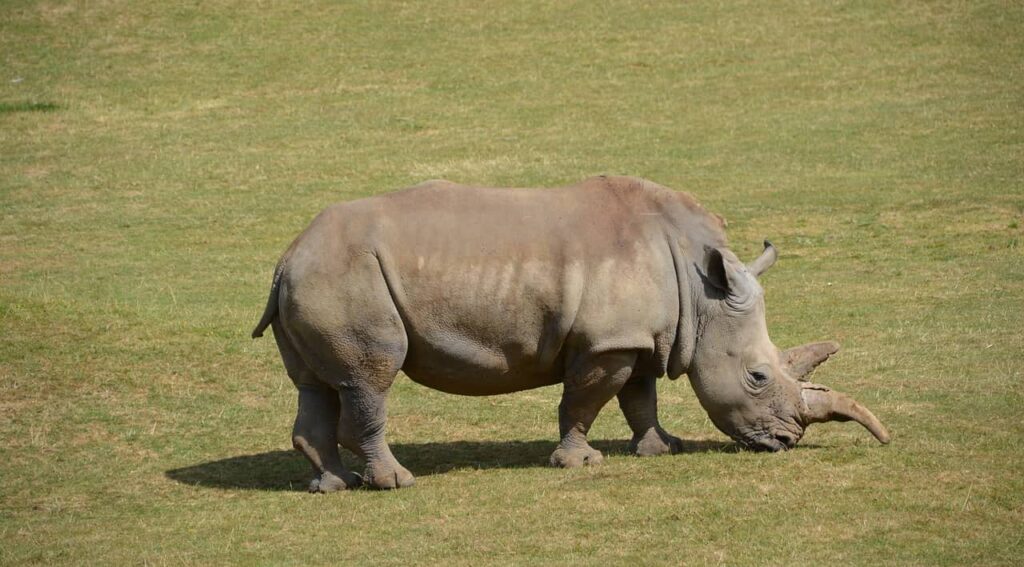
Tanzania’s safari identity is shaped by several distinct landscapes rather than one simple ranking. The migration moves through the Serengeti–Mara ecosystem in response to seasonal grazing and water conditions; it does not have a single fixed starting point. Tanzania National Parks should be used for current park information, while Ngorongoro is managed under a separate conservation-area structure.
WHY CHOOSE THIS DESTINATION
The northern circuit combines Serengeti migration landscapes, Ngorongoro, Tarangire and other distinct ecosystems, while southern parks support a different route.
- LOCATION
- East Africa; northern and southern safari circuits
- AGE SUITABILITY
- Many family routes possible; long drives and activity rules need checking
- WEATHER
- Rain changes roads, grass height and animal movement
- TYPICAL SAFARI
- Guided northern-circuit game drives; road or fly-in combinations
- BEST FOR
- Migration-focused trips, first safaris and photography
WHAT TO EXPECT
Guided vehicle safaris dominate the classic circuit, with long overland sectors or internal flights depending on budget and route.
CAVEATS
Famous parks can be busy, distances remain significant, and migration viewing depends on rainfall, timing and exact camp location.
Arusha → Tarangire → Ngorongoro → Serengeti, with Zanzibar or Kilimanjaro as a separate extension.
Evidence expanding, with particularly useful traveller evidence on Serengeti variability and Ngorongoro congestion.
Key safari areas and what changes between them
| National Parks & Reserves | Key Features |
| Serengeti National Park | Central to the seasonal Serengeti–Mara migration system. |
| Ngorongoro Conservation Area | Mixed-use conservation landscape centred on the Ngorongoro highlands and crater. |
| Tarangire National Park | Baobab landscapes, seasonal river habitat and elephant viewing. |
| Nyerere National Park | Large southern protected area with Rufiji River, woodland and wetland habitats; a different circuit from Serengeti and Ngorongoro. |
The Ngorongoro Conservation Area is a mixed UNESCO World Heritage property with exceptional natural values and a long history of human occupation. Its crater is a major wildlife-viewing area, but Ngorongoro is not simply another national park: conservation, pastoral livelihoods and tourism operate within the same wider landscape.
Ngorongoro Reality Check: extraordinary wildlife, limited solitude
What the evidence agrees on: Ngorongoro can produce unusually concentrated wildlife viewing in a dramatic landscape, but its fame and constrained road network create a real crowding trade-off. Published safari research has specifically examined visitor crowding in the Ngorongoro Conservation Area and links it to travellers seeking close proximity to high-interest animals such as lions.
What recent travellers experienced: reports vary sharply by timing. An April 2025 visitor described relatively light traffic and strong wildlife viewing, while June 2026 visitors reported hundreds of tour vehicles and increasing congestion as the busy season progressed. A February 2026 first-person account similarly describes vehicles bunching around notable sightings and busy picnic areas. This is why WU does not label Ngorongoro simply “crowded” or “uncrowded”: month, arrival time and the location of a sighting materially change the experience.
WU planning verdict: choose Ngorongoro when concentrated wildlife, crater scenery and the possibility of seeing species such as black rhino matter more than solitude. Travellers prioritising a quieter wilderness atmosphere should compare it with larger or lower-density areas and should not assume the crater will feel like an isolated safari. Early access and shoulder/greener-season timing may reduce crowd pressure, but wildlife and traffic conditions remain variable.
Wildlife and route differences
Tanzania’s wildlife varies substantially between the Serengeti plains, Ngorongoro highlands, Tarangire’s baobab landscapes, Nyerere’s river systems and the country’s mountain and forest habitats. Serengeti is part of the seasonal migration system rather than a fixed “starting point,” while Tarangire is especially associated with elephants and dry-season wildlife concentrations. Birding quality also depends on habitat and season, so national totals are less useful for trip planning than a dated park-level checklist.
DESTINATION PROFILE
Malawi
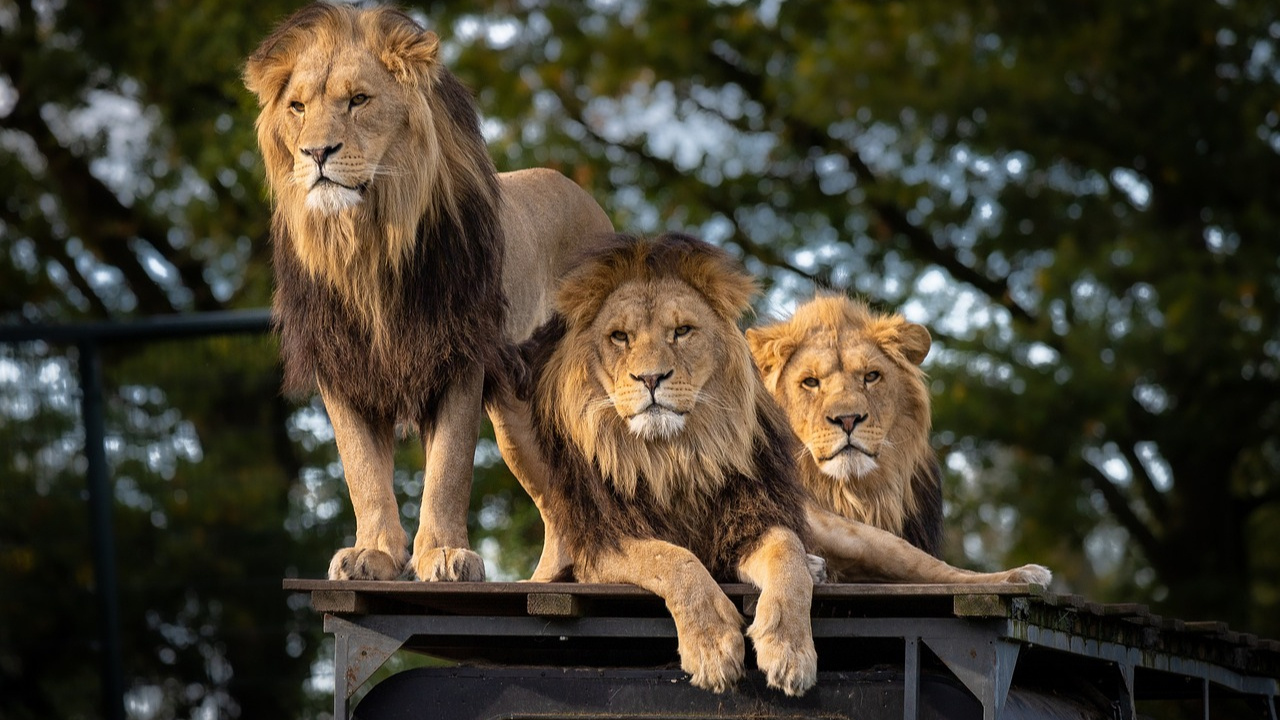
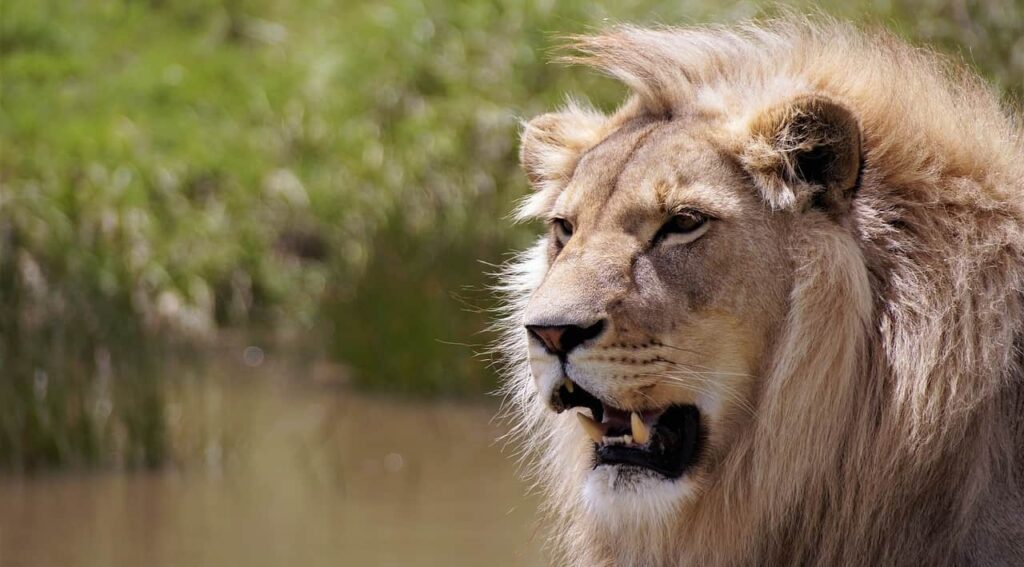
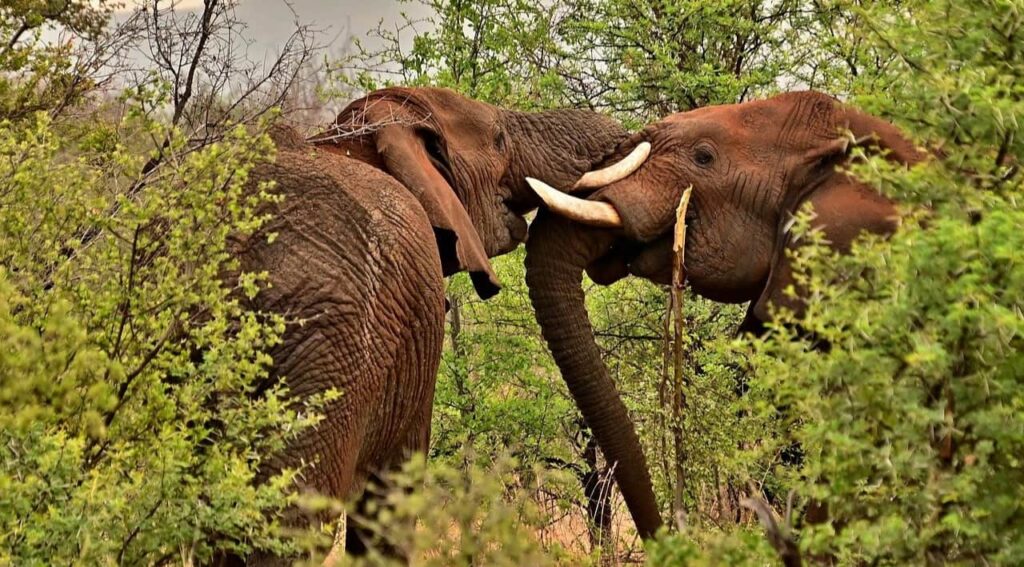
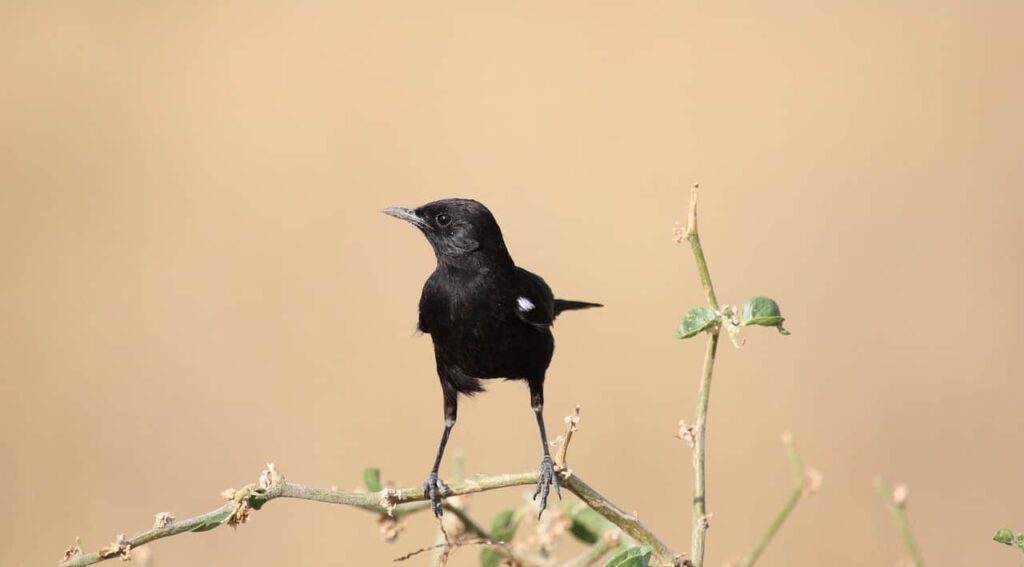
Malawi combines wildlife restoration, river landscapes, highland scenery and Lake Malawi, but its protected areas serve different purposes. Liwonde and Majete are the clearest conventional safari anchors, while Nyika suits travellers interested in highland landscapes and birdlife. Majete’s present wildlife assemblage reflects an active reintroduction programme rather than an untouched baseline, and Liwonde has also undergone substantial conservation intervention. Transport time and a smaller tourism network require more preparation than the established Kenya–Tanzania circuit.
WHY CHOOSE THIS DESTINATION
Liwonde and Majete combine safari viewing with visible restoration histories, while Nyika and Lake Malawi add highland and freshwater landscapes.
- LOCATION
- Southeastern Africa; Shire Valley, highlands and Lake Malawi
- AGE SUITABILITY
- Route and activity dependent; long transfers need consideration
- WEATHER
- Rain affects roads, vegetation, rivers and wildlife visibility
- TYPICAL SAFARI
- Two-park wildlife route combined with lake or highland time
- BEST FOR
- Repeat safari visitors, restoration context and mixed landscape trips
WHAT TO EXPECT
A smaller safari network, river and terrestrial wildlife in Liwonde, restored large-mammal populations in Majete and longer transitions between landscapes.
CAVEATS
Fewer connections and less safari density than the major East and Southern African circuits.
Lilongwe/Blantyre → Majete → Liwonde → Lake Malawi, with Nyika as a separate northern extension when time permits.
Place-level review; restoration history is well documented, while management organisations’ accounts remain separate from independent outcome evidence.
Key safari areas and what changes between them
| National Parks & Reserves | Key Features |
| Liwonde National Park | Shire River, floodplain and woodland habitats; wildlife populations have been shaped by recent restoration, translocation and conflict-reduction programmes. |
| Nyika National Park | High-elevation plateau of grassland and montane habitats, providing a different wildlife and birding experience from the Shire Valley parks. |
| Lake Malawi National Park | UNESCO World Heritage property protecting freshwater habitats and exceptional fish diversity; not a substitute for a terrestrial safari. |
| Majete Wildlife Reserve | Restored reserve where multiple large mammals and predators have been reintroduced since the 2000s; useful for understanding managed wildlife recovery as well as safari viewing. |
Lake Malawi National Park protects part of the lake’s southern end and is especially important for its freshwater biodiversity. It complements, rather than replaces, Malawi’s terrestrial safari areas.
You Might Like to Read: Wildlife Photography Tips: A Beginner’s Guide
Wildlife and landscape differences
Malawi’s wildlife experience is distributed across very different environments. Liwonde combines river-based viewing with terrestrial wildlife, Majete reflects a long-running restoration programme, Nyika is a high-altitude grassland destination, and Lake Malawi is internationally important for freshwater biodiversity. These places should not be compared through one national species total.
Malawi also includes Kasungu and Lengwe national parks and wildlife reserves such as Nkhotakota and Vwaza Marsh. Access, wildlife visibility, accommodation and the strength of birding vary by location and season. Travellers should therefore build the itinerary around two or three compatible regions instead of trying to cover every protected area.
DESTINATION PROFILE
Namibia
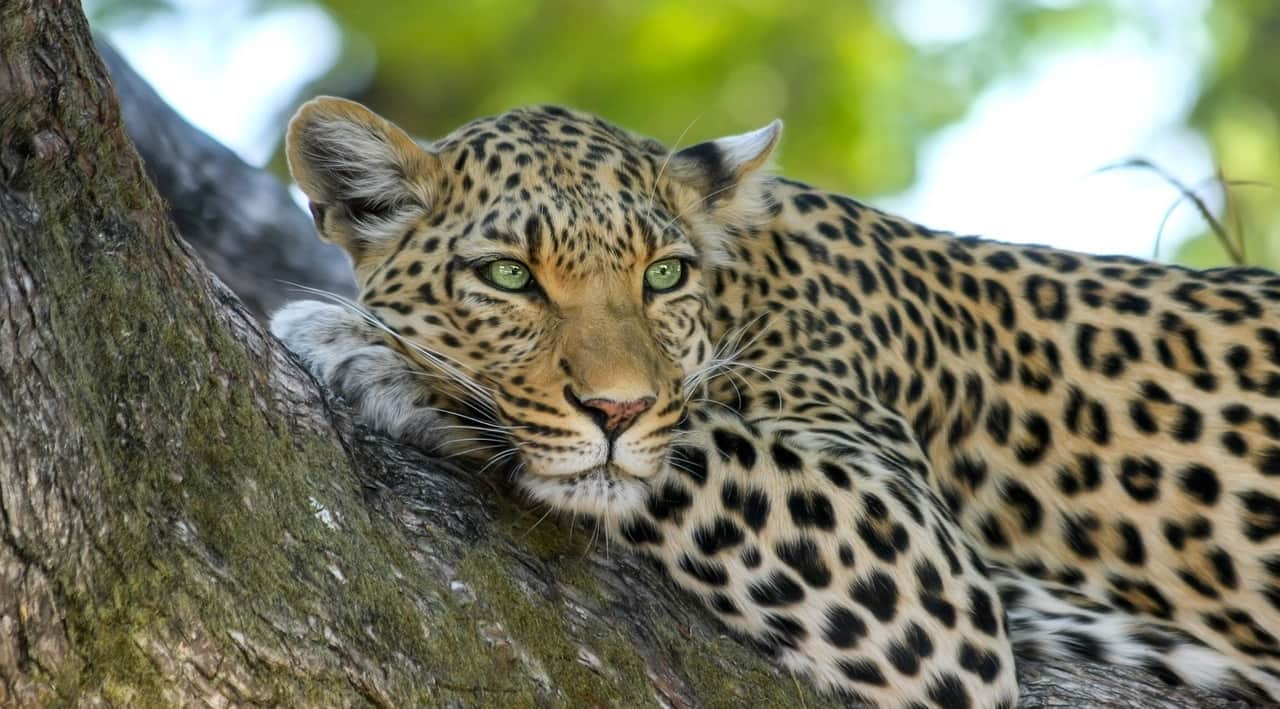
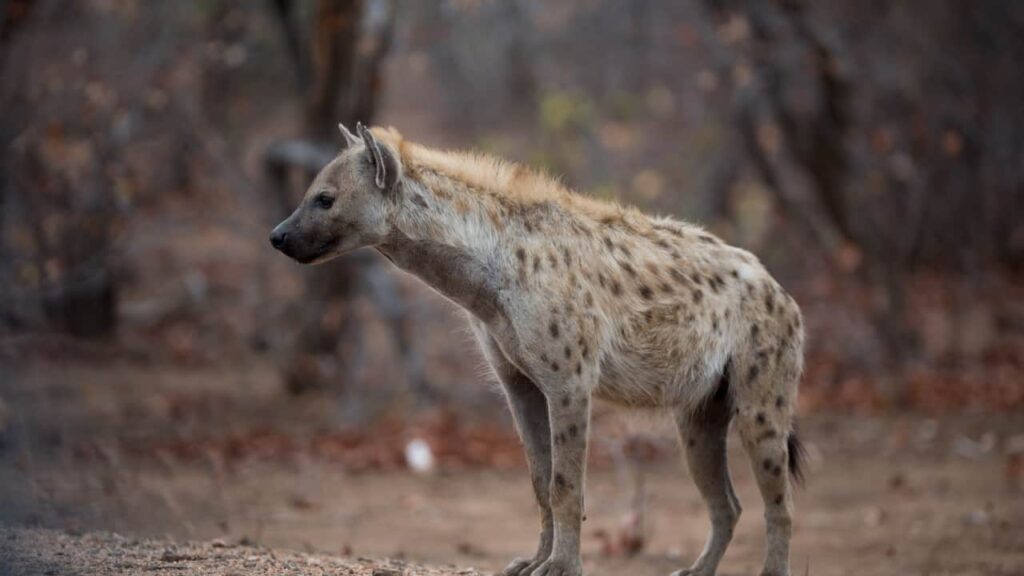
Namibia combines arid wildlife viewing with exceptionally large landscapes. Etosha is the clearest choice for conventional waterhole-based game viewing, while the Namib, Skeleton Coast and the northeast offer desert, coastal and river-linked experiences. Long driving distances are central to the trip, so route design matters as much as the number of parks visited.
WHY CHOOSE THIS DESTINATION
Namibia combines accessible self-drive wildlife viewing with desert, coast and enormous landscape scale.
- LOCATION
- Southwestern Africa; Etosha, Atlantic coast, Namib and northeast
- AGE SUITABILITY
- Road-trip tolerance matters; family suitability depends on route and distances
- WEATHER
- Rainfall, desert temperatures and road conditions can change the journey
- TYPICAL SAFARI
- Self-drive wildlife and landscape circuit
- BEST FOR
- Self-drivers, photographers and landscape-led travel
WHAT TO EXPECT
Etosha can anchor conventional game viewing, while the Namib, Skeleton Coast and northeast make the journey as much about landscape and road travel as wildlife.
CAVEATS
Distance, heat and sparse services make rushed itineraries a poor fit.
Windhoek → Etosha → Damaraland/Kaokoland → Swakopmund → Namib, adjusted heavily for available days.
Evidence expanding; traveller evidence supports self-drive flexibility and the risk of weather overturning normal expectations.
Key safari areas and what changes between them
| National Parks & Reserves | Key Features |
| Etosha National Park | Salt-pan and savannah landscape where waterholes are central to much wildlife viewing; no naturally occurring buffalo population. |
| Namib-Naukluft National Park | Extensive desert protected area including major dune and gravel-plain landscapes; primarily a landscape journey rather than conventional Big Five game viewing. |
| Skeleton Coast National Park | Remote Atlantic coastline shaped by desert, fog, marine influence and restricted-access areas. |
| Bwabwata National Park | Okavango and Kwando river-linked habitats with core conservation and multiple-use zones; resident communities form part of the park’s management context. |
The stark landscapes around Deadvlei and Sossusvlei are only one part of Namibia’s natural range. The country’s protected areas include major desert, coastal, wetland and wildlife landscapes; travellers should confirm current park access and road conditions with the relevant authorities when planning.
Continue planning: Wildlife photography tips for safari travellers
Etosha’s dry-season waterholes can concentrate wildlife and support relatively accessible self-drive viewing, but conditions change with rainfall and no species encounter is assured. Bwabwata, in Namibia’s northeast, has riverine and wetland-linked habitats that create a markedly different journey from Etosha or the Namib Desert. Its conservation context also includes resident communities and regional wildlife movement.
Wildlife and route differences
Namibia’s mammals, birds and reptiles are spread across desert, salt-pan, escarpment, coast and northeastern river systems. Desert-adapted wildlife is not confined to one park, and a national species total says little about what a visitor will see on a particular route. Water availability, road conditions, season and driving time are more useful planning factors.
Cape Cross Seal Reserve adds a very different coastal wildlife experience. Cape fur seal numbers vary seasonally, so visitors should avoid treating a single population estimate as guaranteed.
DESTINATION PROFILE
Rwanda
Rwanda brings three contrasting wildlife experiences into a relatively compact country: mountain-gorilla trekking in Volcanoes National Park, chimpanzees and montane forest in Nyungwe, and savannah wildlife in Akagera. The distances can be more manageable than in larger safari countries, but permits, guided access and physical demands make careful planning essential.
WHY CHOOSE THIS DESTINATION
A compact route can combine regulated mountain-gorilla trekking, Afromontane forest and Akagera’s savannah wildlife.
- LOCATION
- East-Central Africa; Volcanoes, Nyungwe and Akagera
- AGE SUITABILITY
- Activity dependent; trek fitness, permit and group rules govern suitability
- WEATHER
- Mountain and forest conditions can make trails wet and demanding
- TYPICAL SAFARI
- Primate trekking plus optional savannah game drives
- BEST FOR
- Primates, forest biodiversity and compact multi-park routes
WHAT TO EXPECT
Primate activities are permit-led and guided, while Akagera adds a more conventional vehicle-safari component.
CAVEATS
Gorilla trekking is regulated, physically demanding and comparatively expensive; sightings remain wildlife encounters rather than guarantees.
Kigali → Volcanoes National Park → Nyungwe → Akagera, reducing stops for shorter trips.
Place-level review; traveller evidence identifies comfort trade-offs while specialist evidence adds disease-risk and community-benefit considerations.
Key safari areas and what changes between them
| National Parks & Reserves | Key Features |
| Volcanoes National Park | Montane habitat with regulated mountain-gorilla and golden-monkey trekking. |
| Nyungwe National Park | Afromontane forest with chimpanzees, other primates and high biodiversity. |
| Akagera National Park | Savannah, woodland, wetland and lake habitats with restored large-mammal populations. |
Mountain-gorilla conservation in the Virunga landscape is supported by governments, park authorities, researchers and organisations including the Dian Fossey Gorilla Fund. Population figures refer to the wider transboundary mountain-gorilla population and should always be attached to a named census and date rather than presented as a permanent current total.
Wildlife and park differences
Volcanoes protects montane habitats associated with mountain gorillas and golden monkeys; Nyungwe adds chimpanzees, other primates and Albertine Rift forest biodiversity; Akagera shifts the journey to savannah, woodland, wetlands and lakes. These parks require different clothing, fitness, permits, transfer plans and expectations, so a single national wildlife total is not useful for choosing between them.
Volcanoes National Park offers regulated gorilla trekking through authorised permits and guided visits. Group rules, permit prices and the number of habituated groups can change, so readers should confirm current requirements through Rwanda’s official tourism and park channels before booking.
Nyungwe National Park, inscribed on the UNESCO World Heritage List in 2023, adds a distinct Afromontane forest and primate experience. Akagera provides the savannah component. Rwanda should therefore be evaluated as a combined forest-and-savannah itinerary rather than described only as a gorilla destination.
DESTINATION PROFILE
South Africa
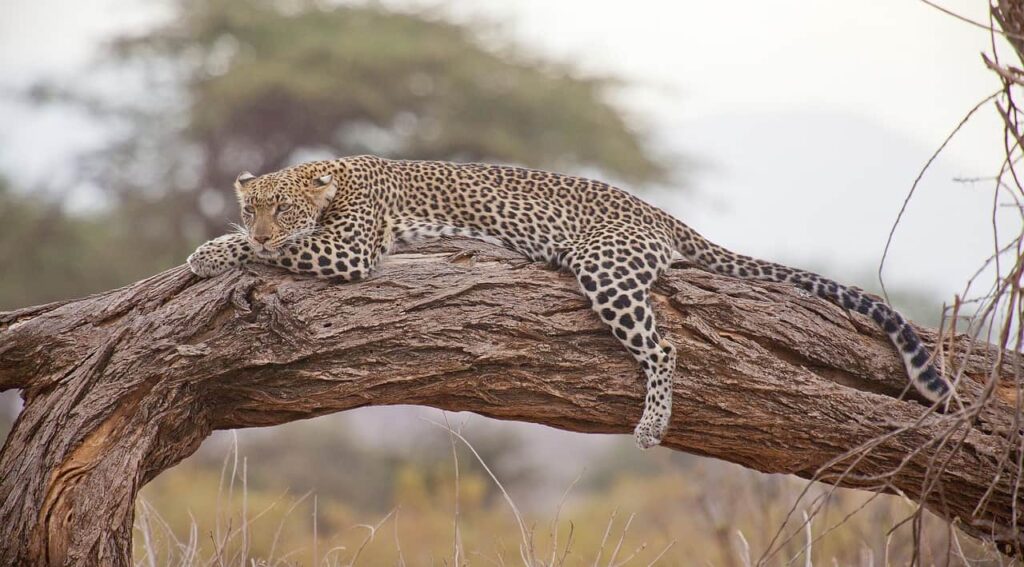
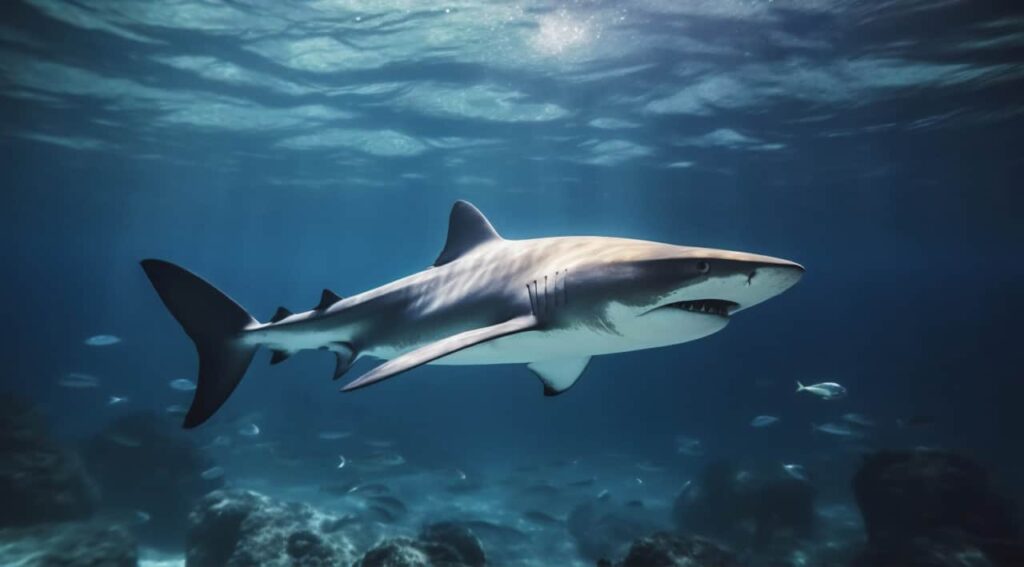
South Africa combines major wildlife areas with a comparatively broad road, air and accommodation network. Kruger supports both guided and self-drive travel, while private reserves and parks in KwaZulu-Natal and the Eastern Cape offer different balances of access, privacy and cost. Cape Town and other city stays can be combined with a safari, but they should be treated as separate parts of the itinerary rather than evidence that every reserve is easy to reach.
WHY CHOOSE THIS DESTINATION
Broad infrastructure and the option to self-drive make South Africa one of the most flexible entry points to safari, while private reserves offer a different guided model.
- LOCATION
- Southern Africa; Kruger, KwaZulu-Natal and Eastern Cape safari regions
- AGE SUITABILITY
- Family-capable; reserve-specific activity and age rules vary
- WEATHER
- Rain affects access; dry conditions change wildlife concentration
- TYPICAL SAFARI
- Self-drive or guided reserve stay
- BEST FOR
- First safaris, self-drive flexibility and mixed city-safari trips
WHAT TO EXPECT
Kruger can support independent driving or guided activities; private reserves and other regions change the balance of privacy, cost and logistics.
CAVEATS
Distances remain substantial, private-reserve prices vary sharply, and busy sightings can reduce the sense of wilderness.
Johannesburg/Mbombela → Kruger or Greater Kruger, with Cape Town or another region as a wider-trip extension.
Evidence expanding; current evidence strongly supports the flexibility-versus-crowding trade-off and the need to monitor live SANParks access notices.
Key safari areas and what changes between them
| National Parks & Reserves | Key Features |
| Kruger National Park | Extensive national park offering self-drive and guided viewing across varied savannah habitats. |
| Hluhluwe–iMfolozi Park | Known for white rhino conservation efforts. |
| iSimangaliso Wetland Park | UNESCO World Heritage site with diverse ecosystems, including wetlands and coastal dunes. |
| Addo Elephant National Park | Eastern Cape protected area with elephant and other terrestrial wildlife; route and habitat differ from Greater Kruger. |
Kruger is one of Africa’s best-known self-drive safari areas, with an extensive road and rest-camp network. It lies within the wider Kruger to Canyons Biosphere Reserve landscape. It supports the Big Five, African wild dogs, cheetahs and many other species, but no itinerary can assure particular sightings. Popular roads and major sightings can become congested during busy periods.
Kruger reality check
Freedom versus concentration: self-drive gives travellers unusual control over pace and route, but that does not mean every part of Kruger feels remote. Large rest camps and high-interest sightings can concentrate people and vehicles. SANParks uses day-visitor gate quotas specifically to prevent overcrowding on roads and facilities, especially during busy periods.
Weather can override the itinerary: heavy rainfall can close gravel roads, gates and activities. During severe January 2026 flooding, SANParks temporarily suspended day visits and some drives and walking trails. Treat current access notices as trip-critical evidence rather than assuming a booked safari route will always operate unchanged.
WU planning signal: Kruger is a particularly strong fit when self-drive flexibility matters, but travellers seeking a consistently low-density wilderness atmosphere should compare camp size, route, season and neighbouring private-reserve options rather than judging the whole destination by the Kruger name.
Wildlife and reserve differences
South Africa’s wildlife cannot be summarised through one national total. Kruger and neighbouring private reserves focus on inland savannah ecosystems, while KwaZulu-Natal and the Eastern Cape offer different habitats and reserve models. The country’s marine and coastal wildlife belongs to another planning context and should not be presented as part of every safari itinerary.
Private reserves around Greater Kruger may provide fewer vehicles at sightings and more inclusive guiding, but generally at a higher price than a self-drive national-park stay. In KwaZulu-Natal, Hluhluwe–iMfolozi offers a major terrestrial wildlife experience, while iSimangaliso Wetland Park–Maputo National Park is a transboundary World Heritage property connecting marine, coastal, wetland and terrestrial ecosystems. These are complementary journeys, not interchangeable safari products.
DESTINATION PROFILE
Botswana
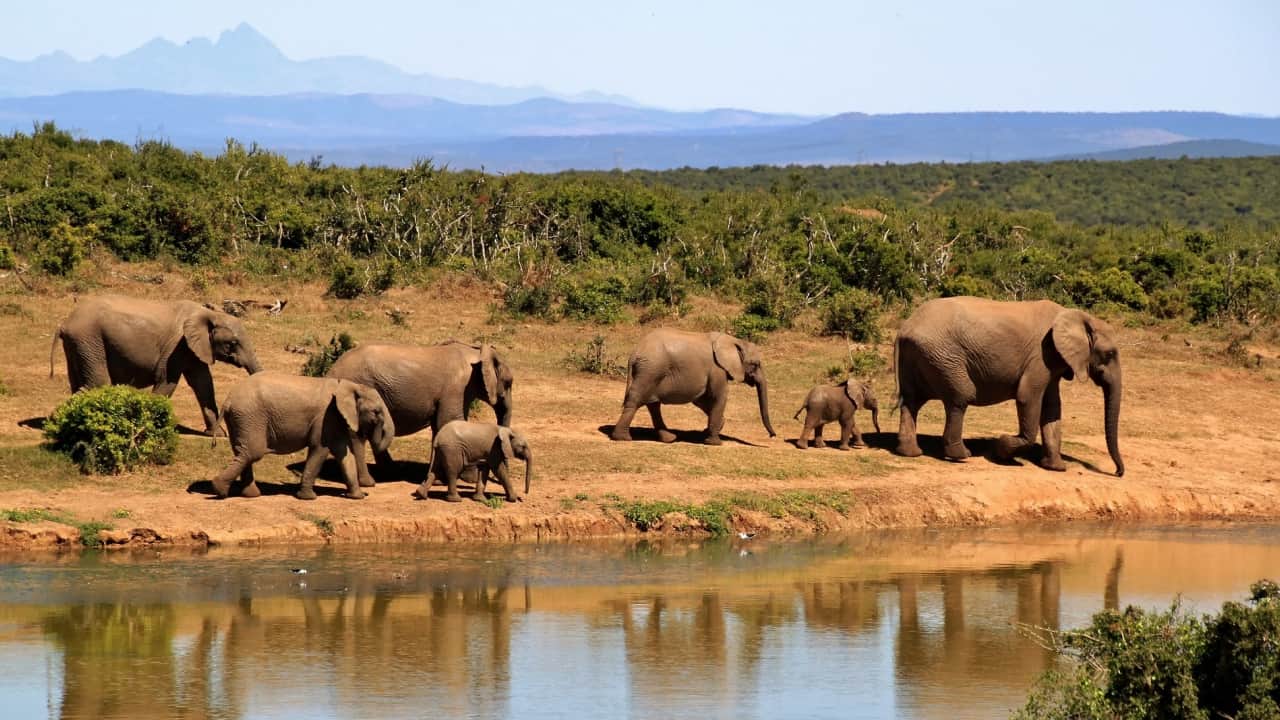
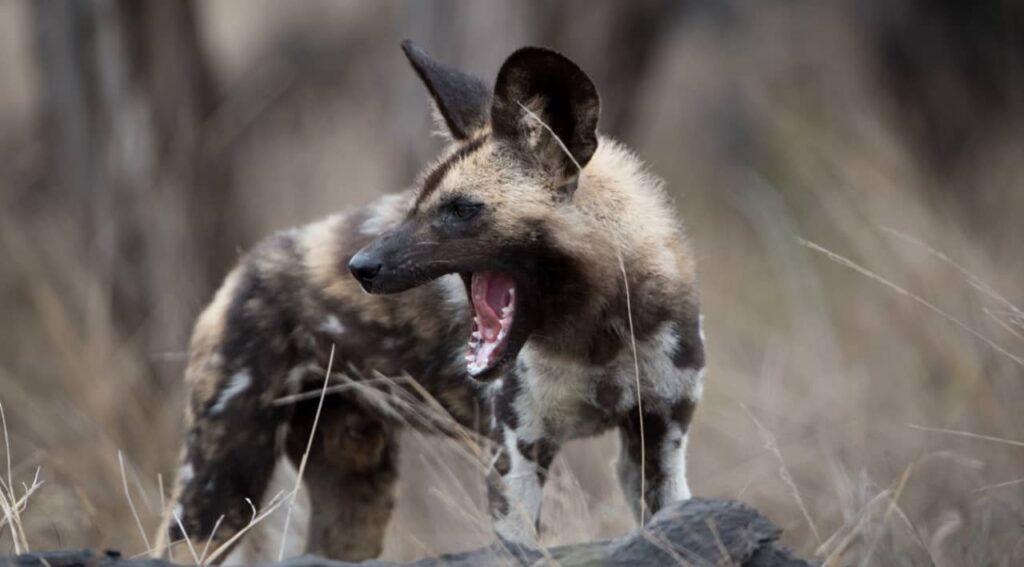
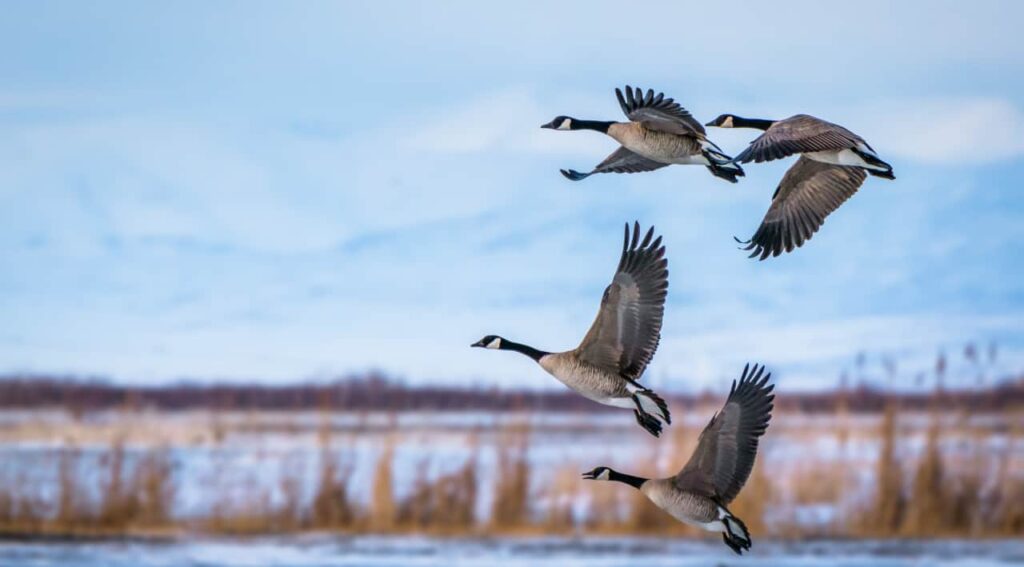
Botswana is strongest for travellers seeking large wilderness areas, lower-density camps and a combination of land and water-based wildlife viewing. The Okavango Delta and Moremi are shaped by seasonal water levels, Chobe adds riverfront wildlife, and the pans and Kalahari provide a contrasting dryland experience.
WHY CHOOSE THIS DESTINATION
Land-and-water safari combinations, large wilderness areas and low-volume camp models can create a different rhythm from high-traffic classic circuits.
- LOCATION
- Southern Africa; Okavango, Moremi, Chobe, pans and Kalahari
- AGE SUITABILITY
- Camp and activity dependent; mobility rules vary for boats and mokoro trips
- WEATHER
- Rainfall and delayed floodwater reshape access and activity mix
- TYPICAL SAFARI
- Land-and-water circuit, often with road and/or fly-in transfers
- BEST FOR
- Remote wilderness, photography and varied safari activities
WHAT TO EXPECT
The Okavango/Moremi system, Chobe riverfront and Kalahari/pan landscapes behave differently, with activity choice shaped by water level and concession.
CAVEATS
Fly-in logistics and low-volume camps can make costs high, while water levels and wildlife movements change the experience by season.
Maun → Okavango/Moremi → Chobe, with a Kalahari or pan extension when season and time justify it.
Evidence expanding; current traveller records support both green-season experiences and the cost/logistics trade-off.
Key safari areas and what changes between them
| National Parks & Reserves | Key Features |
| Chobe National Park | Riverfront and inland habitats where elephant viewing can be a major feature, especially around water-dependent seasonal concentrations. |
| Moremi Game Reserve | Protected wetland and dryland habitats within the wider Okavango system; activity options and access vary by area and water level. |
| Makgadikgadi Pans National Park | Seasonal salt-pan and grassland landscapes with strongly variable wildlife conditions. |
| Central Kalahari Game Reserve | One of the largest protected areas, home to desert-adapted species. |
Botswana’s wildlife policy cannot be reduced to the former hunting ban or dramatic accounts of anti-poaching enforcement. Hunting rules, concession arrangements and community-natural-resource policies have changed over time and remain contested. Travellers should judge an operator by its current licensing, conservation practices, employment relationships and transparency rather than relying on broad national claims.
The human footprint also matters: low visitor density does not automatically prove strong community benefit. This guide will keep conservation outcomes, local participation and the visitor experience as separate evidence questions.
Wildlife and seasonal differences
Botswana’s wildlife experience changes between the Okavango’s seasonal waterways, Moremi’s mixed habitats, Chobe’s riverfront and the open salt-pan and Kalahari landscapes. National species totals do not show which animals are likely on a particular itinerary. Flood timing, rainfall, road access and the balance between boat, mokoro and vehicle activities are more useful planning evidence.
Chobe is closely associated with elephants and river-based viewing, while Moremi combines wetland and dryland habitats within the wider Okavango system. Makgadikgadi, Nxai Pan and the Central Kalahari provide a very different sense of scale, seasonality and remoteness. “Less crowded” should be checked against the exact camp, concession and travel period rather than assumed from the park name.
DESTINATION PROFILE
Uganda
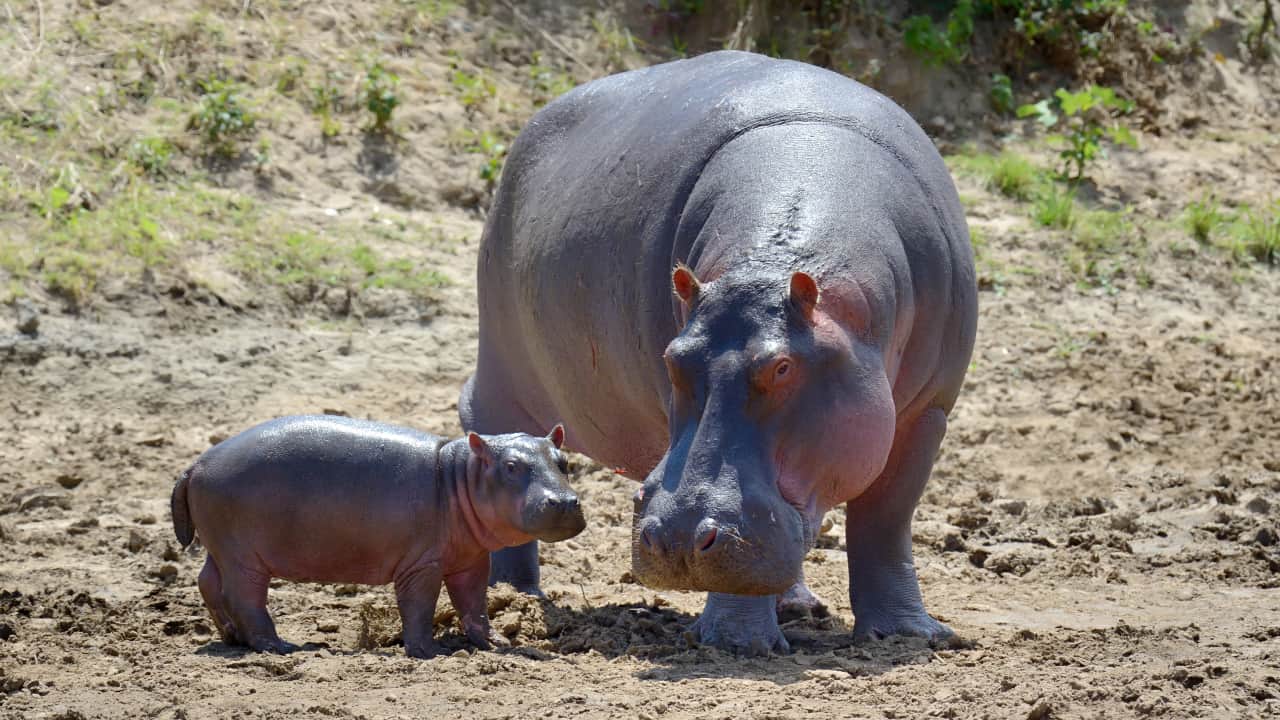
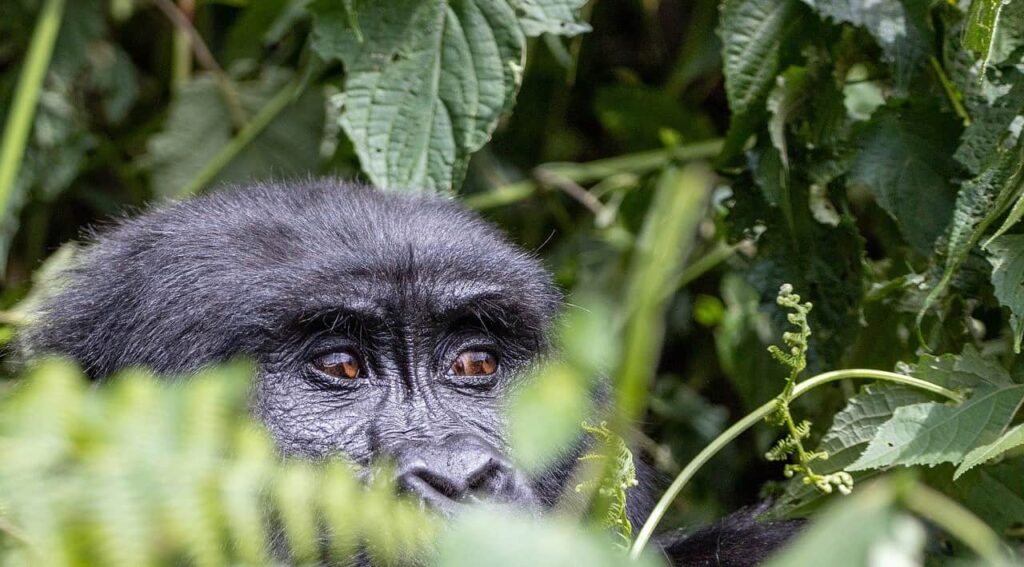
Uganda combines mountain-gorilla and chimpanzee tracking with savannah parks, wetlands and Nile-linked landscapes. Bwindi and Mgahinga are the principal gorilla areas; Kibale is associated with chimpanzee tracking; Queen Elizabeth, Murchison Falls and Kidepo provide different conventional safari settings.
WHY CHOOSE THIS DESTINATION
Uganda can combine mountain-gorilla and chimpanzee tracking with savannah parks, wetlands and Nile landscapes in one country.
- LOCATION
- East Africa; western forests, Nile landscapes and savannah parks
- AGE SUITABILITY
- Activity dependent; trek fitness, permit rules and transfer tolerance matter
- WEATHER
- Rain affects forest trails and roads; savannah conditions also shift
- TYPICAL SAFARI
- Primate trekking combined with savannah game drives
- BEST FOR
- Primates plus a broader wildlife journey
WHAT TO EXPECT
Forest trekking and conventional game drives are separate experiences, with substantial transfers between regions.
CAVEATS
Long road transfers, permit availability and physically demanding forest activities require realistic scheduling.
Entebbe/Kampala → Murchison Falls or Kibale → Queen Elizabeth → Bwindi, shortened rather than rushed when time is limited.
Place-level review; authoritative and specialist evidence is strong for gorilla safeguards while the journey layer remains evidence expanding.
The Rwenzori Mountains, Lake Victoria basin and the Nile add major landscape context, but Kilimanjaro is in Tanzania and should not be presented as a Ugandan feature. Uganda Wildlife Authority currently manages 10 national parks alongside wildlife reserves, sanctuaries and community wildlife areas.
Key safari areas and what changes between them
| National Parks & Reserves | Key Features |
| Bwindi Impenetrable National Park | UNESCO-listed forest habitat for mountain gorillas and exceptional biodiversity. |
| Murchison Falls National Park | Nile landscapes, game drives and boat-based wildlife viewing. |
| Queen Elizabeth National Park | Savannah, wetlands, crater landscapes and the Ishasha sector. |
| Kibale National Park | Montane and lowland forest associated with chimpanzee tracking and other primates. |
Bwindi Impenetrable National Park is a UNESCO World Heritage Site recognised for exceptional forest biodiversity and habitat for endangered mountain gorillas. Gorilla population shares change with new censuses and should be attached to a named survey and date rather than used as a permanent destination slogan.
Wildlife and activity differences
Uganda’s primates, savannah mammals, birds, reptiles and amphibians occur across very different ecosystems. Bwindi and Mgahinga require forest trekking; Kibale and Kyambura focus on chimpanzees and other primates; Queen Elizabeth, Murchison Falls and Kidepo offer different combinations of game drives, waterways and open landscapes. Park-level conditions are more useful than national species totals.
In Queen Elizabeth National Park, chimpanzee tracking in Kyambura Gorge and the possibility of seeing tree-climbing lions in the Ishasha sector are separate activities in different parts of the wider protected landscape. Murchison Falls combines terrestrial wildlife viewing with Nile boat journeys. Travellers should confirm current permits, activity availability, road conditions and travel times directly with the Uganda Wildlife Authority.
DESTINATION PROFILE
Zambia
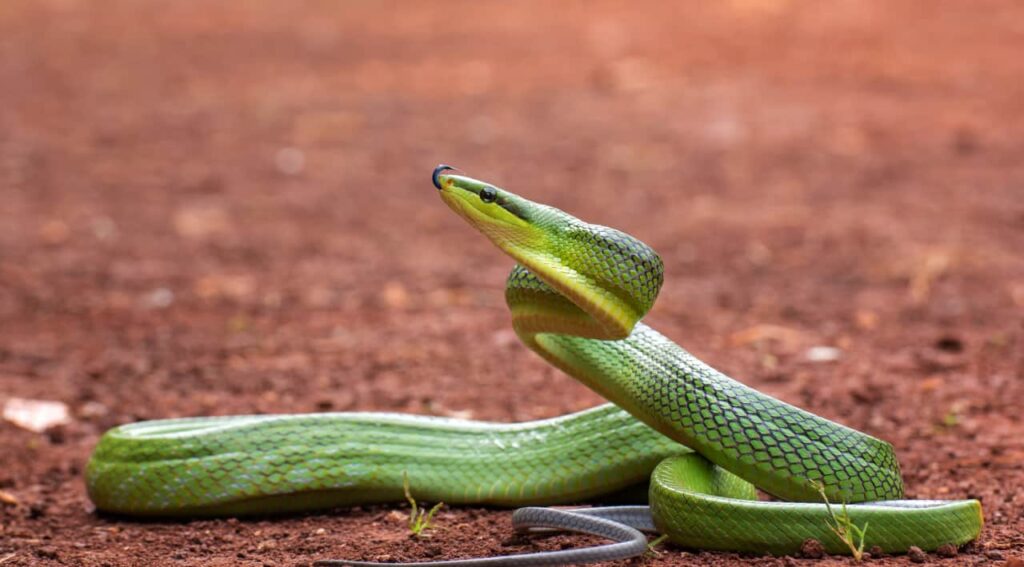
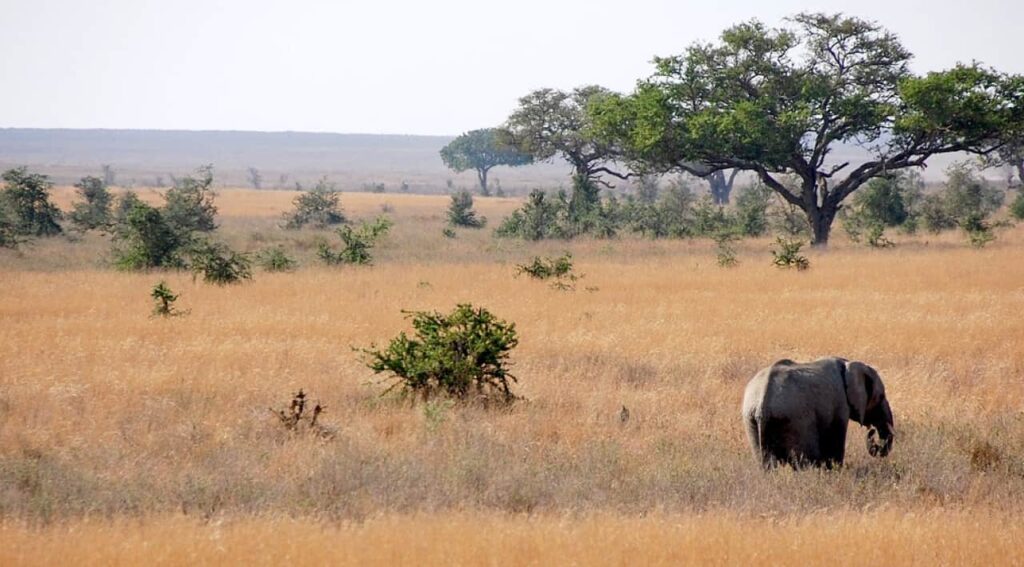
Zambia is best understood through distinct safari regions rather than as an “emerging” alternative. South Luangwa is closely associated with guided walking safaris and a broad range of large-mammal viewing, Lower Zambezi combines land and river activities, and Kafue offers extensive, varied habitats with substantial differences between regions and seasons.
WHY CHOOSE THIS DESTINATION
Guided walking, river activities and smaller remote camps can make the safari feel more participatory than a vehicle-only circuit.
- LOCATION
- Southern Africa; Luangwa, Zambezi and Kafue systems
- AGE SUITABILITY
- Activity dependent; walking and canoeing need separate mobility and risk checks
- WEATHER
- Dry and green seasons change roads, camps and wildlife concentration
- TYPICAL SAFARI
- Guided walking, game drives and river activities
- BEST FOR
- Walking safaris, river activities and smaller remote camps
WHAT TO EXPECT
South Luangwa, Lower Zambezi and Kafue offer different combinations of walking, driving and water-based activities.
CAVEATS
Wet-season access, seasonal camp closures, internal transfers and long distances make rushed multi-park itineraries impractical.
Lusaka → South Luangwa, or Lusaka → Lower Zambezi, adding Kafue only when trip length and transfers support it.
Evidence expanding; traveller evidence supports the wildlife-and-low-density appeal while documenting comfort and seasonal trade-offs.
Key safari areas and what changes between them
| National Parks & Reserves | Key Features |
| South Luangwa National Park | Luangwa Valley habitats with guided walking, game drives and strongly seasonal wildlife viewing. |
| Lower Zambezi National Park | Zambezi floodplain and river-edge habitats with game drives plus guided boating and canoe activities where conditions and operators permit. |
| Kafue National Park | Zambia’s largest national park, with extensive woodland, river and floodplain habitats; experiences vary substantially by region and season. |
| Mosi-oa-Tunya National Park / Victoria Falls | A small protected area near Livingstone alongside the transboundary Victoria Falls World Heritage landscape; useful as an addition rather than a substitute for Zambia’s main safari circuits. |
Mosi-oa-Tunya/Victoria Falls is a transboundary UNESCO World Heritage property shared by Zambia and Zimbabwe. It is globally significant for the waterfall, gorges and associated riverine landscape. Mosi-oa-Tunya National Park can add a short wildlife component near Livingstone, but travellers seeking a full safari should compare it separately with South Luangwa, Lower Zambezi or Kafue.
You Might Like to Read: Ultimate Waterfall Resorts for Most Romantic Getaways!
Lower Zambezi National Park combines game drives with river-based activities such as boating and, where authorised and appropriately guided, canoe excursions. South Luangwa adds another seasonal distinction: Zambia Tourism notes that the wet months bring greener vegetation and harder wildlife spotting, while drier conditions concentrate more activity towards the river; some safari camps also close during the Green Season. Wildlife encounters still depend on water level, route, recent conditions and guide decisions. Walking and canoe activities require a different comfort level and risk assessment from a conventional vehicle safari.
Wildlife and activity differences
South Luangwa is associated with the Luangwa Valley, guided walking and wildlife including Thornicroft’s giraffe. Lower Zambezi adds river ecosystems, while Kafue’s scale creates substantial differences between its regions. Kasanka offers a separate seasonal experience around its fruit-bat migration, and Bangweulu is a distinct wetland landscape. National species totals do not explain these practical differences.
DESTINATION PROFILE
Zimbabwe
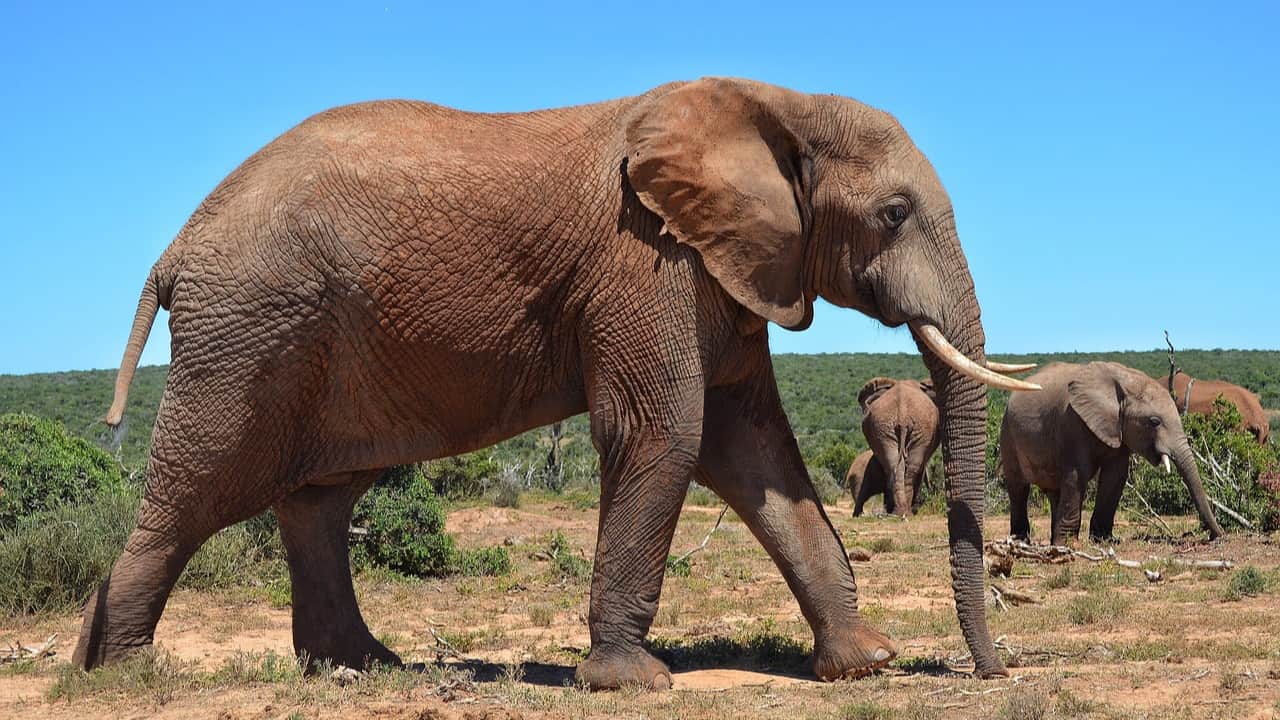
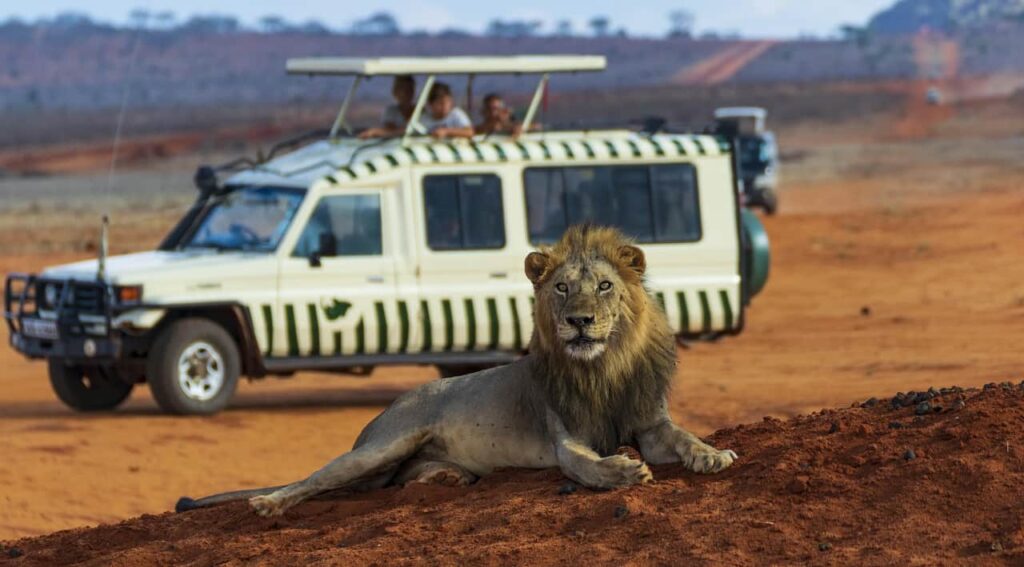
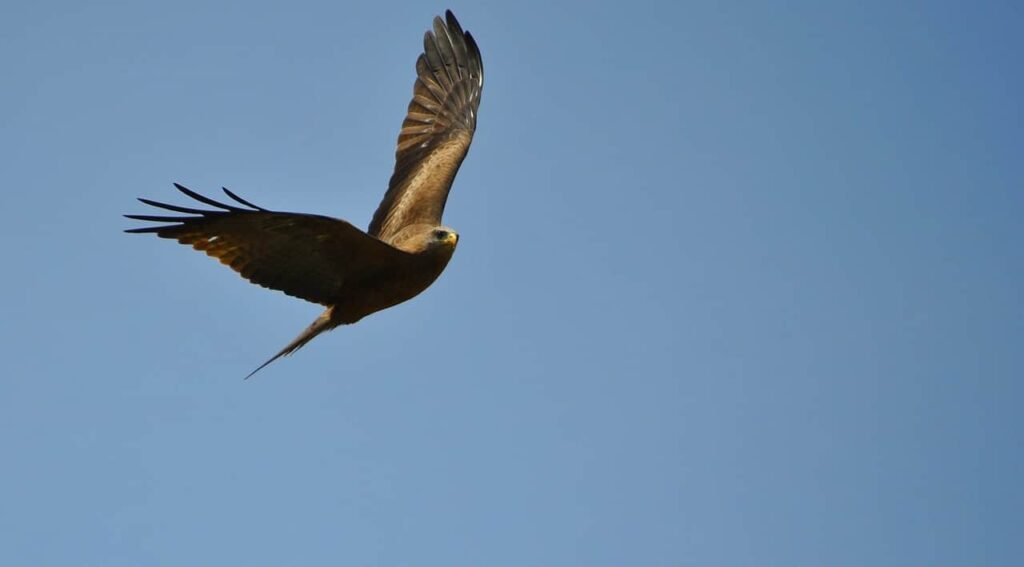
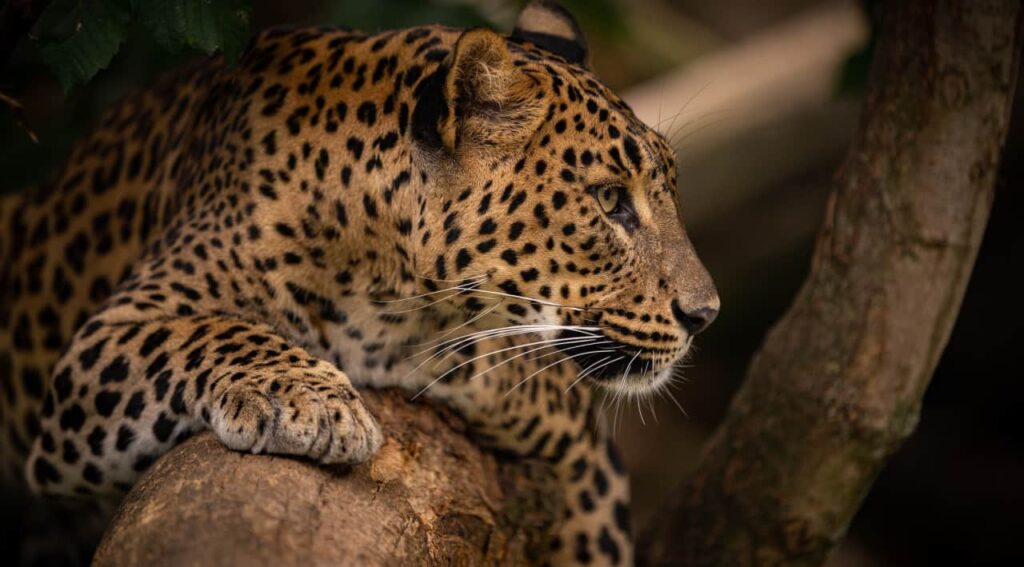
Zimbabwe offers several safari experiences that should be compared separately. Hwange combines a very large protected landscape with elephant viewing and water-dependent dry-season concentrations; Mana Pools centres on the Zambezi floodplain and activities governed by season and park rules; Gonarezhou offers a remote southeastern lowveld landscape; and Victoria Falls works primarily as a waterfall and adventure hub that can connect with nearby wildlife areas.
WHY CHOOSE THIS DESTINATION
Hwange, Mana Pools and Gonarezhou offer substantially different safari styles, while Victoria Falls can connect as a separate landscape and adventure stop.
- LOCATION
- Southern Africa; Hwange, Zambezi Valley and southeastern lowveld
- AGE SUITABILITY
- Route and activity dependent; remote travel and walking need separate checks
- WEATHER
- Water, heat, rainfall and roads materially alter access and wildlife concentration
- TYPICAL SAFARI
- Game-drive or river-wilderness route, often paired with Victoria Falls
- BEST FOR
- Classic game drives, river wilderness and more remote routes
WHAT TO EXPECT
Hwange centres on game drives and seasonal water, Mana Pools on the Zambezi floodplain and regulated activities, and Gonarezhou on longer lowveld routes.
CAVEATS
Access varies substantially by park and season; independent travellers should verify current permits, road conditions, accommodation and activity rules.
Victoria Falls → Hwange, or a separate Mana Pools-focused journey; combine distant parks only when trip length supports it.
Evidence expanding; journey evidence is useful for road-trip logistics while park-level access and activity claims require current authority checks.
Key safari areas and what changes between them
| National Parks & Reserves | Key Features |
| Hwange National Park | Zimbabwe’s largest national park, with woodland and grassland habitats and wildlife viewing strongly influenced by seasonal water availability. |
| Mana Pools National Park | Zambezi floodplain landscape within a UNESCO World Heritage property; guided walking, vehicle and river-based activities depend on current park rules, season and operator. |
| Gonarezhou National Park | Large southeastern lowveld park within the Greater Limpopo Transfrontier Conservation Area, with long travel distances and comparatively remote sections. |
| Matobo National Park | Granite landscapes, cultural sites and wildlife habitat; a different experience from Hwange or the Zambezi floodplain. |
Current visitor conditions should be checked through park authorities and official travel guidance rather than inferred from short-term national arrival figures. Within Zimbabwe, the strongest choice depends on whether the journey prioritises elephants and accessible game drives, river-based wilderness, remoteness or a Victoria Falls combination.
Continue planning: What not to do on an African safari
Victoria Falls is the principal tourism hub in this part of Zimbabwe, but waterfall activities and a full safari are different products. Zambezi National Park can add wildlife viewing nearby. Animal-interaction experiences should be evaluated independently for welfare standards rather than treated as normal safari activities.
Wildlife and park differences
Hwange National Park is Zimbabwe’s largest national park, where dry-season viewing is closely connected to natural and managed water sources. Mana Pools National Park, Sapi and Chewore Safari Areas form a separate UNESCO World Heritage property centred on the Zambezi floodplain. Gonarezhou and Matobo add still different lowveld and granite landscapes. Season, water availability, access, current park rules and permitted activities are more useful planning evidence than national species totals.
EXPERT CONTEXT
What traveller stories cannot tell us on their own
A traveller can describe the excitement of a sighting, the crowd around it and the choices made by a guide. That story cannot prove that tourism income reaches local communities, that wildlife is healthier or that conservation gains will last. Specialist and community evidence helps us ask those wider questions without overruling the traveller’s experience. Dr Rosie Cooney, writing for IUCN from her work on sustainable use and livelihoods, has highlighted how community conservancies can connect wildlife management with local income, including in Namibia and Kenya. That does not mean every conservancy produces equal community benefit; it means ownership, revenue flow and local participation belong in the comparison rather than being assumed from a “low-impact” marketing label.
Primate tourism requires a different caution. Former International Gorilla Conservation Programme policy adviser Helga Rainer documented how tourism, disease risk, crop conflict, land management and community benefit became intertwined around Uganda’s Nkuringo gorillas. IGCP also stresses the balance between tourism revenue and risks of disease transmission or behavioural disturbance. Dr Benard Jasper Ssebide of Gorilla Doctors has similarly warned, through IGCP, about respiratory disease risk in habituated mountain gorillas. For WU, this means a gorilla trek cannot be judged only by sighting quality or permit price: adherence to park rules, group management and wildlife health safeguards are part of destination quality.
Malawi provides another useful warning against simplistic rankings. African Parks documents major reintroductions in Majete and restoration work in Liwonde. Those programmes are important conservation evidence, but African Parks is also a management organisation describing its own work. WU therefore records the restoration history while avoiding promotional conclusions such as “conservation success story” unless outcomes are independently evaluated.
DESTINATION REALITY PANEL
What will shape the safari from day to day?
No country performs equally on every dimension. WU separates wildlife opportunity from crowding, logistics, cost and footprint so that a famous destination is not automatically treated as the best fit.
| Wildlife | Migration, big cats, elephants, primates, birds or a broader ecosystem. |
| Safari style | Vehicle, walking, canoe, boat, self-drive or a deliberate combination. |
| Season | Rainfall, road conditions, water levels and animal movement can change the same route. |
| Footprint | Compare crowd pressure, community benefit, conservation safeguards and animal-welfare practices separately. |
| Practical fit | Total cost, transfers, mobility, family needs and tolerance for remote travel. |
TRAVELLER EVIDENCE
Fourteen safari journeys, compared
These accounts show whose experience shaped the guide. Each finding remains attached to a particular destination, route, period and safari style; it is not converted into a country-wide score.
| Traveller / journey | Destination | Period | What changed the picture | Status |
|---|---|---|---|---|
| 27F solo traveller, Canada | Kenya + Tanzania | 15–28 Sep 2025 | After 13 safari days she felt the route was too long for an average first safari; rough Serengeti roads and the value of guide/route choices changed the picture. | Independent public first-person |
| 12-day Namibia self-drive traveller | Etosha + Namibia circuit | 26 Apr–7 May 2024 | Self-drive created flexibility to choose pace and sightings, while afternoon heat shaped activity timing. | Independent public first-person |
| Five-day Namibia traveller | Namibia | 2025 | Daily rain and thunderstorms produced unusually green conditions, reinforcing that weather can reverse the landscape travellers expect. | Independent public first-person |
| Rwanda gorilla-trek traveller | Volcanoes NP + Kigali, Rwanda | 2026 | Permit cost, a 4am transfer from Kigali and the choice between staying near the park or saving on lodging materially affected trip design. | Independent public first-person |
| Miss H & Dr B, London | Zambia + Malawi | 18 Sep–1 Oct 2022 | Multiple flights and transfers were demanding but worthwhile; a short camp-plane transfer replaced a very bumpy road journey and materially improved the route. | Commercially mediated traveller review |
| First-time Africa traveller, Zambia | Kitwe + Lusaka + Livingstone + South Luangwa | Jul 2024 report | A 10-day first trip to Africa combined cities, Mosi-oa-Tunya/Livingstone and South Luangwa rather than treating Zambia as one safari product. The account distinguishes wildlife encountered around the Livingstone stay from the fuller South Luangwa safari and adds a first-time traveller perspective to the Zambia evidence. | Independent public first-person |
| Neha, Daniele and friends | Chobe + Savuti + Khwai + Moremi, Botswana | 18–30 Jul 2025 | A two-week self-drive exposed the real trade-off behind Botswana’s wilderness appeal: deep sand, a puncture, equipment failure, water crossings and route/date errors required preparation and flexibility, while Chobe, Savuti, Third Bridge and mokoro experiences delivered very different kinds of wildlife and landscape value. | Independent public first-person |
| Australian solo South Africa traveller | Kruger + South Africa | 1–17 Jun 2026 | A return visitor combined four safari days around Kruger with Cape Town and Johannesburg rather than making the whole holiday a safari. The report helps test trip-length assumptions: a shorter organised safari can work when wildlife is one priority within a broader South Africa journey. | Independent public first-person |
| Uganda gorilla-trek traveller | Bwindi, Uganda | Mar 2024 report | The traveller chose Uganda over Rwanda for lower permit cost and a more adventurous experience, while noting longer trekking and less-developed tourism infrastructure as the trade-off. | Independent public first-person |
| Late-40s solo East Africa traveller | Uganda + Kenya + Tanzania | 2024 | A 21-day, high-budget solo itinerary used private drivers and bush flights; gorilla trekking became the standout experience, showing how budget and transport choices can reduce transfer friction. | Independent public first-person |
| Kruger self-drive contributors | Kruger, South Africa | Apr 2024 | Repeat visitors valued self-drive freedom, slower wildlife observation and multi-night camp stays; they also distinguished the busier wildlife-rich south from quieter northern areas. | Independent community first-person |
| Zimbabwe self-drive couple | Eastern Highlands + Gonarezhou + Great Zimbabwe + Victoria Falls | Late May–early Jun 2024 | During 14 days in Zimbabwe, the couple rented a car for a 10-day route through the Eastern Highlands, Gonarezhou and Great Zimbabwe, then used an overnight bus to Victoria Falls. They reported road conditions as better than older online accounts had led them to expect and wished they had allocated more time to the country, showing why dated road assumptions and route length both need checking. | Independent public first-person |
| Experienced safari traveller, Botswana | Chobe + Makgadikgadi + Okavango/Moremi, Botswana | Apr–May 2025 | A traveller who had previously delayed Botswana because of its high-price reputation found a mixed route of Chobe river and land safaris, Makgadikgadi and Okavango/Moremi highly rewarding. The account separates expensive fly-in safari pricing from more affordable accommodation and food outside luxury camps, and shows why boat, mokoro, aerial and vehicle experiences should not be treated as interchangeable. | Independent public first-person |
| Mr H & Mrs H, London | Lower Zambezi + South Luangwa + Malawi | 20 Aug–4 Sep 2011 | Walking, canoeing and strong wildlife made the Zambia portion memorable; the account also shows how activity mix can matter as much as species sightings. | Commercially mediated repeat-traveller review |
Evidence-table note: these 14 traceable public journey records support the synthesis presented near the beginning of this guide. The displayed sample deliberately mixes independent public first-person reports, community first-person evidence and a smaller commercially mediated layer so that one operator archive or one safari region does not dominate the reader-facing comparison. Independent evidence now covers East Africa, gorilla trekking, Namibia self-drive, two contrasting Botswana trip models, Kruger/South Africa, a first-time Zambia journey, and a dated Zimbabwe self-drive route through Gonarezhou to Victoria Falls. Two older Zambia–Malawi records remain commercially mediated because they add detailed transfer and activity-mix evidence; they are explicitly labelled and are not treated as equivalent to independent evidence. Names are shown only as published by the source. The wider WU working dataset contains additional records, and all formal records remain subject to human editorial review before WU treats them as verified evidence.
EVIDENCE LIMITS
Where the traveller evidence is strong — and where it is limited
WU reviewed a cross-destination sample of recent public first-hand safari reports alongside older detailed trip reports where they added route context. These accounts are useful for practical friction, but they are not treated as proof of wildlife abundance, safety or conservation performance. Several recent reports reinforce the same planning issues: rough-road and transfer fatigue on combined Kenya–Tanzania circuits; vehicle congestion around high-interest sightings in Ngorongoro and other famous areas; the cost and logistical complexity of Botswana; the practical appeal of Namibia self-drive; and the fact that Zambia, Zimbabwe and Botswana can work as one journey only when border, transfer and seasonal access details are planned carefully.
The sample also shows why positive reviews alone are weak ranking evidence. Recent East Africa accounts expose route fatigue, rough roads, permit cost and the importance of guide decisions; Namibia reports show how self-drive flexibility and unusual rain can materially change the journey. Botswana now has two complementary independent signals: a July 2025 self-drive account documents deep sand, punctures, water crossings, route errors and the preparation required for an overland circuit, while an April–May 2025 traveller who had expected Botswana to be prohibitively expensive found a broader mix of accommodation and ground costs outside luxury fly-in camps. Together they show why “Botswana is expensive” and “Botswana is remote” are planning hypotheses that depend on safari model, not universal country facts. WU therefore uses traveller reports to identify trade-offs, not to convert enthusiasm into a country score.
Remaining evidence gaps: the reader-facing sample now spans all ten destinations in this guide and multiple traveller styles, but coverage is not equally deep. Malawi still depends more heavily on commercially mediated journey evidence than the strongest destinations in the sample; seasonal and price-level coverage is uneven; and conservation or community outcomes cannot be inferred from trip reports. These gaps are why WU records the current diversity state as approaching saturation, not saturated rather than treating the numerical target as completion.
EXPERT / EVIDENCE INTERPRETATION
How WU evaluated the safari shortlist
Kenya and Tanzania are natural starting points for migration routes and classic savannah journeys. Botswana suits travellers drawn to lower-density wilderness and water-based experiences; Uganda and Rwanda shift the focus towards primates and forest landscapes. South Africa can be easier for independent planning, while Zambia and Zimbabwe reward travellers who accept more complex logistics.
This is a fit-based guide, not a universal numbered ranking. Seasons, park rules, travel time, budget, mobility and the unpredictability of wildlife can change which destination works best for an individual journey.
How much journey evidence supports this guide?
Evidence assembled: the working record contains 18 documented safari journeys and three expert records. Fourteen journeys appear in the public comparison because readers can trace them directly. The sample includes independent traveller accounts, community perspectives and a small number of clearly labelled commercially connected trips.
What the evidence can support: the journey layer is used primarily to test route design, crowding, seasonality, access, transfers, guide decisions, comfort, permit logistics and the practical differences between safari styles. Wildlife abundance, safety, conservation outcomes and community benefit require appropriate authoritative or specialist evidence rather than traveller enthusiasm.
Review status: the numerical journey target has been reached and the current diversity assessment is approaching saturation, not saturated. Machine screening is not editorial approval. Individual records remain subject to human review, and WU does not convert an operator testimonial, expert affiliation or enthusiastic trip report into an independent endorsement.
Evidence diversity rule: no single traveller report, operator, country, platform or evidence type is allowed to define the comparison. Traveller accounts are used for journey reality; park authorities for current access and rules; specialist sources for conservation, wildlife health and community questions; and commercial evidence remains labelled rather than treated as independent verification.
Country order does not represent a ranking. Because park rules, access, prices, wildlife movements and conservation conditions change, WU treats this as a living evidence guide and rechecks time-sensitive claims rather than presenting them as permanent facts.
WU FOUR FOOTPRINTS
A great sighting is not the whole safari story
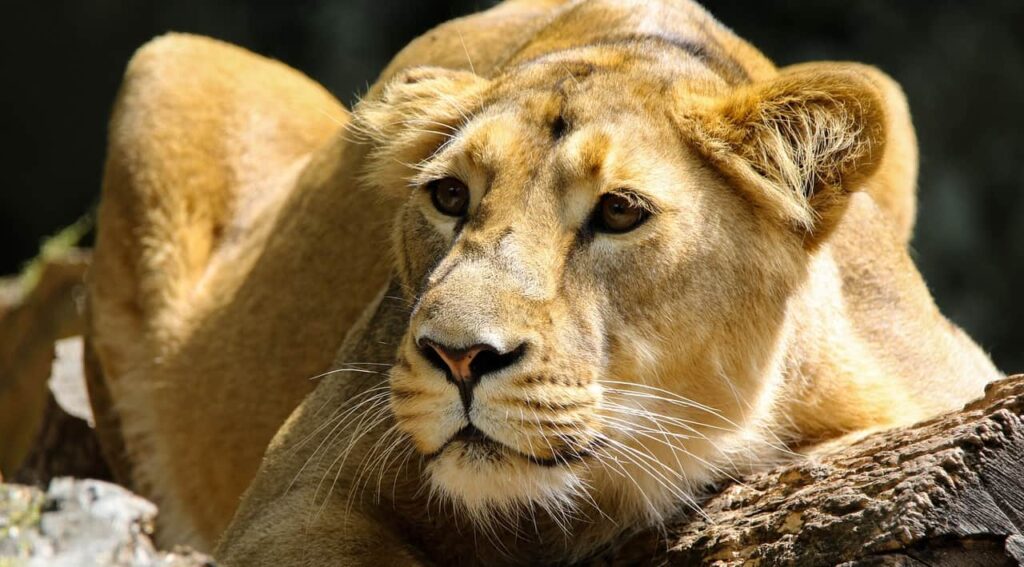
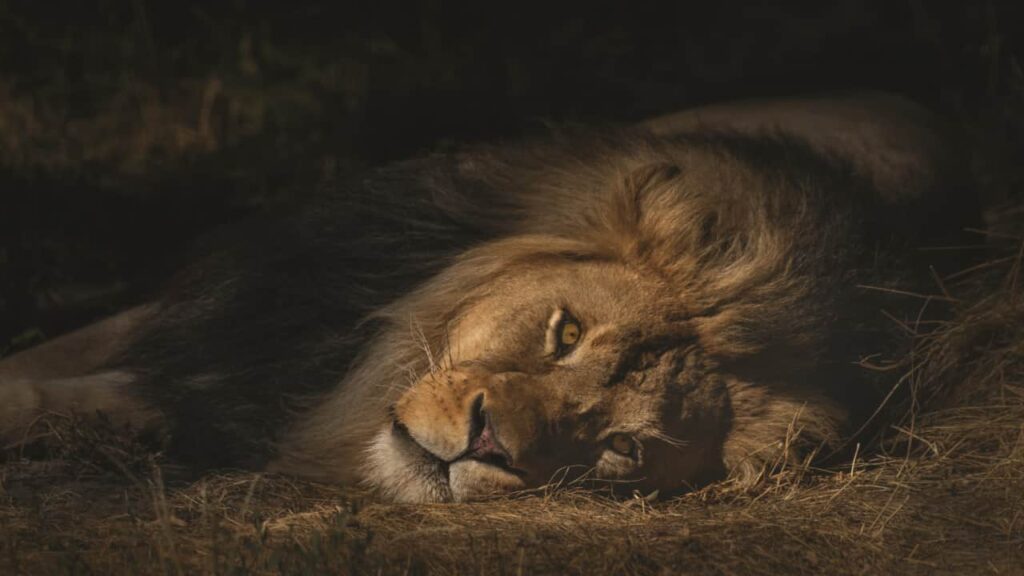
A lion at close range may be unforgettable, but the quality of a safari also depends on what happens beyond the photograph. Four Footprints looks at the traveller experience, the living landscape, the people who carry the costs and benefits of tourism, and the history that shaped access to the land.
| Footprint | What WU checks | Safari signal |
|---|---|---|
| Human footprint | Traveller fit, guide decisions, pace, mobility, local participation, community benefit and whether benefit claims are evidenced rather than assumed. | A safari can fit the traveller while still requiring a separate check of who participates, who benefits and how guiding or community relationships are documented. |
| Physical footprint | Wildlife disturbance, habitat pressure, water and road conditions, visitor concentration and whether activities follow protected-area safeguards. | High wildlife density does not automatically mean low impact. Vehicle clustering, rainfall, water levels and seasonal access can materially change both experience and pressure. |
| Historical footprint | How the present wildlife landscape was formed: long-term protection, reintroductions, translocations, changing land use, restoration and cultural history. | Majete, Liwonde and Akagera should be understood partly through restoration history; Ngorongoro also requires its long human-occupation context. |
| Change footprint | How tourism rules, restoration, community models, access, visitor pressure and conservation management are changing over time. | WU treats current conditions as time-bound: a destination’s access, crowding, management model or conservation context can change rather than remaining a fixed country trait. |
Evidence interpretation: IUCN’s protected-area tourism guidance treats tourism as potentially valuable for conservation and local economies while also recognising that visitor volume brings environmental, social, cultural and infrastructure impacts. Professional guiding standards add another layer: FGASA’s current code requires reliable information, safety, respect for people and the environment, ethical conduct and management of conflicts of interest. WU therefore treats guide quality and visitor management as evidence variables—not decorative extras.
What this changes for the shortlist: a destination does not move upward simply because it has more famous wildlife or luxury camps. The human footprint checks both traveller fit and people affected by tourism; the physical footprint tests habitat, wildlife pressure, roads, water and visitor concentration; the historical footprint records how the present landscape was formed; and the change footprint keeps current rules, restoration, management and tourism pressure visible over time. These are comparison dimensions, not a hidden country score.
Current footprint status: Human footprint — evidence expanding; traveller, guide and community evidence is present but remains destination-specific. Physical footprint — place-level review; crowding, weather, access and conservation-management evidence is included, but conditions remain park- and season-specific. Historical footprint — place-level review; restoration and protected-landscape histories are recorded where they materially change interpretation. Change footprint — evidence expanding; current rules, visitor pressure, access and management changes are tracked where they alter the traveller or conservation picture.
HOW WE KNOW
Sources, limits and corrections
Traveller evidence: reports remain tied to the route, dates, traveller type and safari model actually described. They are used most strongly for practical friction, crowding, transfers, guide decisions, comfort and what travellers would change—not as proof of country-wide wildlife abundance or safety.
Expert and authoritative evidence: park authorities and public bodies are preferred for current rules, permits and access. Specialist evidence is used to interpret conservation, wildlife-health, guiding and community questions. Credentials, institutional role and commercial interests are considered separately; an expert source is not automatically an independent source.
Commercial evidence: operator-hosted traveller reviews and management organisations can add useful detail, but their relationship to the trip or conservation programme is disclosed and their claims are not weighted as if they were independent verification.
Current limitation: the journey pool has reached the numerical target and is approaching diversity saturation, but human verification is still incomplete. Conditions, fees, access, permit rules, road conditions and wildlife movement can change; time-sensitive details should be rechecked before booking. Corrections should change the relevant claim and its evidence status rather than being hidden by a destination score.
READER SIGNAL
Was this safari comparison useful?
Reader ratings are a usefulness signal, not evidence that a destination is objectively better than another.
ADD YOUR JOURNEY
Help WU test this guide against another real safari
Share the route, timing, safari style, what worked, what went wrong and anything you would change. Submissions enter editorial review; they are not automatically treated as verified evidence or published endorsements.
Audience submission · Add your journey
Have you travelled on one of these routes?
Your story enters a private moderation inbox. Automated spam and duplicate checks run first; a WU editor must then verify and approve it before it can appear publicly.
Additional safari accounts will appear only after contributor permission and editorial review are complete.
Continue planning: Safari mistakes to avoid · Family safaris in East Africa · The Big Five