Best Cruise Destinations for Every Travel Style

The short answer
No single cruise destination is best for everyone.
The strongest choice changes with the journey: Norwegian fjords for accessible scenery, the western Mediterranean for culture-heavy port days, Alaska for glaciers and wildlife, Antarctica for expedition uncertainty, and Galápagos for regulated small-ship encounters.
The journeys point to a more useful answer: the best cruise depends on the kind of experience you want, not on a single numbered ranking.
The useful truth: most cruise lists make every route sound effortless. Journey evidence shows the decisions that actually reshape a trip—weather, distant berths, sold-out excursions, ship scale and wildlife that refuses to follow a timetable.
Journey synthesis
Nine journeys, compared
These accounts show whose experience shaped the guide. Each finding remains attached to a particular traveller, ship, route and period.
| Traveller | Destination | Period | Duration | What changed the picture | Status |
|---|---|---|---|---|---|
| Elle Steer | Norwegian fjords | May 2024 | 7 nights | Wind removed one of four ports; crowds, excursion cost, cabin sightlines and allergy handling mattered. | Conditional |
| Dr Nadeen White | Western Mediterranean | Year unresolved | 7 nights | Several headline cities required long transfers and early, intensive port days. | Conditional |
| Rhonda Krause | Antarctica, South Georgia and Falklands | January | 19 days | Weather and wildlife changed plans; South Georgia became more important than expected. | Strong conditional |
| Holly Quinn | Galápagos | 20 April 2024 | 7 nights | A 32-passenger vessel and adaptable naturalists materially shaped the experience. | Reader report |
| Kelly and MikePassport Nomads | Eastern Caribbean from San Juan | Date unresolved | Not stated | Embarkation port, adult-only ship style, port sequence and onboard costs changed suitability. | Commercially disclosed journey |
| TraceyTravel Chook | Alaska: Vancouver to Whittier | Late May; year unresolved | 7 nights | Viewing access, short port hours, rain protection and layering materially affected the trip. | Firsthand; funding not stated |
| Monica and Mark SobermanDigital Roamads | Japan Intensive with Busan | April 2024 | 15 nights | Small-ship access, port shuttles, mixed touring and blossom timing shaped individual days. | Commercially disclosed journey |
| SarahSarah Sees the World | New Caledonia and Vanuatu | Historical journey | 11 nights | Five sea days made the ship and balcony central; one Port Vila excursion was provided. | Commercially disclosed historical journey |
| Mum’s Travel Blog | New Zealand from Sydney | Published March 2019 | 13 nights | Five sea days, scenic sailing, tendering and short calls changed family pacing. | Historical firsthand; funding not stated |
Only evidence used in this published guide is shown here.
The mistakes that changed the trip
Six decisions repeatedly changed what travellers experienced—not just how they described it.
Ship before region
A very large ship can turn a scenic route into a crowded resort experience.
Port before city name
Rome and Florence can mean long transfers from Civitavecchia and Livorno.
Plan for disruption
Wind, sea state, ice and wildlife can change or cancel calls and landings.
Price the whole experience
Transfers, excursions, gear and medical access can materially change the real cost.
Inspect the sightline
A balcony can still carry an overhang or obstruction on scenery-led routes.
Keep one review in bounds
One traveller proves what happened on one sailing—not how often it happens.
WU core verdict · Destination reality panel
What the visitor story misses
The traveller sees an itinerary. Residents, protected-area managers and historians see water, waste, wildlife disturbance, berth pressure, seasonal work, access and stories that a quick port call can flatten.
WorldsUltimate Pathfinder
Choose the experience before the route
Pathfinder connects each traveller with the destination experience most likely to suit them.
Norwegian fjords
Ship scale · missed-port cover
Western Mediterranean
Transfers · walking intensity
Alaska
Glacier Bay · excursion budget
Antarctica
Landing access · Drake tolerance
Galápagos
Guide standards · vessel size
The Pathfinder synthesises reviewed evidence. WU does not claim to have personally travelled these routes.
Destination profiles · 8 routes
Find the cruise destination that fits you
Each profile separates inspiration from planning reality: why go, who it suits, what can disrupt it and which evidence is still incomplete.
 01
01Mainstream route · evidence expansion required
Caribbean
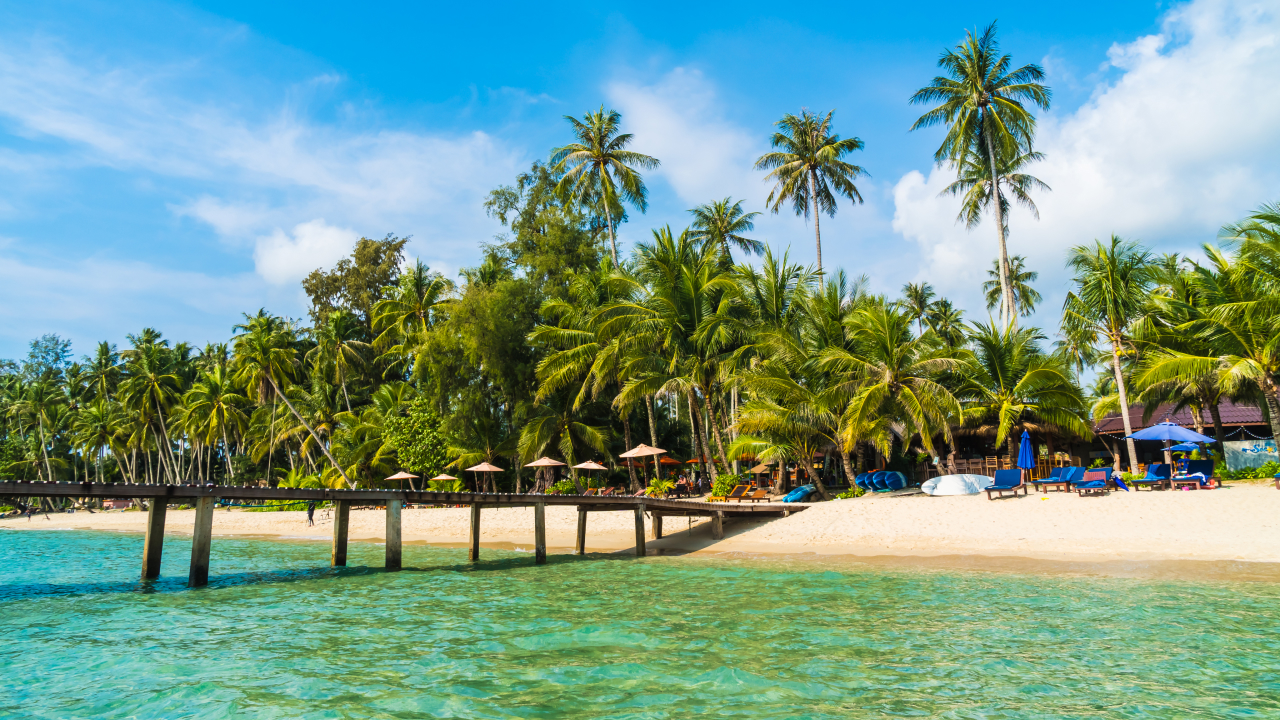
The Caribbean is not one uniform cruise experience. Eastern, western and southern routes combine different islands, sea-day patterns and port styles, while ship size can determine whether the week feels like a floating resort or a quieter island journey.
Compare the route and ship together. Weather, tendering, excursion prices, crowded calls and limited time ashore can reshape an apparently relaxed holiday. It works best when you first decide whether your priority is beaches, culture, water activities, family convenience or deeper contact with island life.
Why choose this destination
Warm-water itineraries, beaches and a large choice of embarkation ports make the Caribbean one of the easiest introductions to cruising.
- Location
- Caribbean Sea and Atlantic islands
- Age suitability
- All ages; ship and activity rules vary
- Weather
- Warm; hurricane disruption is possible
- Typical cruise
- 7 nights
- Best for
- Beaches, simple port days and first cruises
What to expect
Island-hopping, snorkelling, beach time and a stronger resort atmosphere than expedition routes.
Caveats
Route quality varies, peak calls can crowd small ports, and private-island experiences may reveal little of local life.
Illustrative—not guaranteed
 02
02Conditional firsthand route evidence
Western Mediterranean
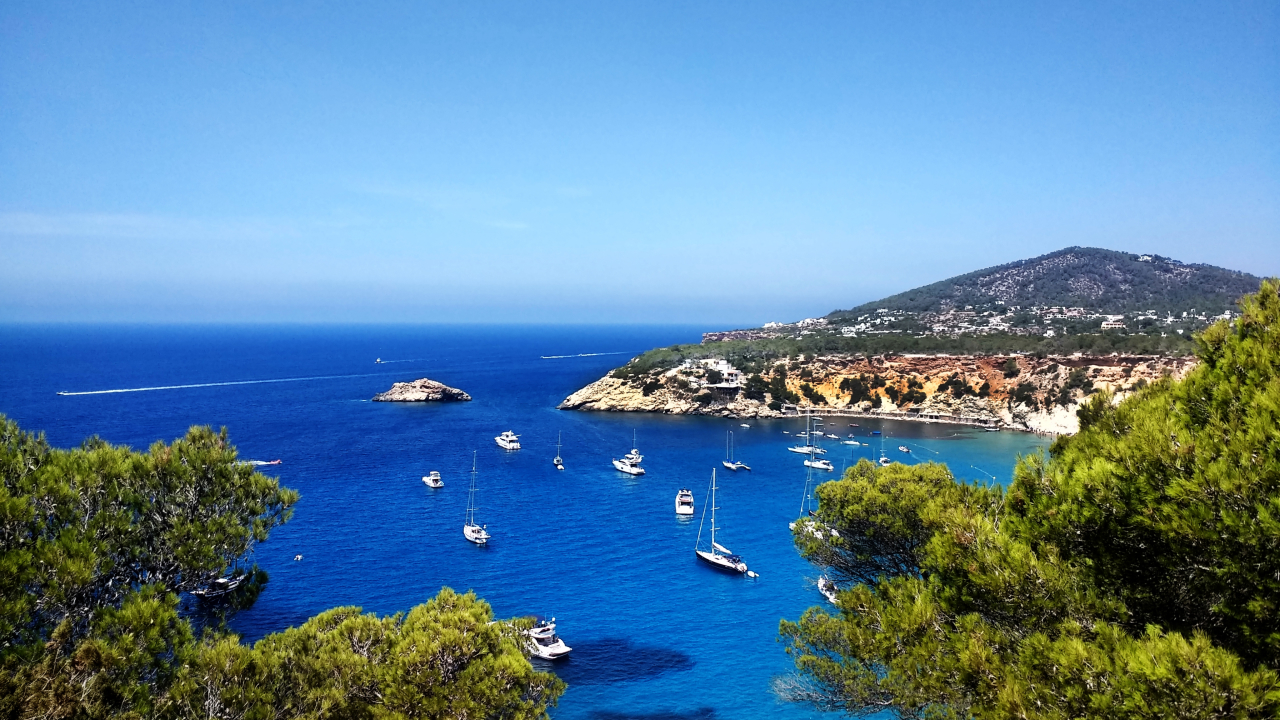
A Western Mediterranean cruise links major cultural centres, but the route is more demanding than the map suggests. Barcelona, Naples and the French Riviera may sit alongside gateway ports such as Civitavecchia for Rome and Livorno for Florence, creating long transfers and intensive walking days.
Check port times, consecutive calls and seasonal heat before choosing the cabin. This region best suits travellers who enjoy active sightseeing and accept that the ship is a moving base—not a substitute for spending time in each city.
Why choose this destination
Few cruise regions combine this much art, archaeology, food and geographic variety inside a seven-to-twelve-night route.
- Location
- Spain, France, Italy and nearby routes
- Age suitability
- Better for travellers comfortable with long walking days
- Weather
- Hot summers; gentler spring and autumn
- Typical cruise
- 7–12 nights
- Best for
- History, food, architecture and port variety
What to expect
Early starts, repeated port days, walking tours, tendering on some calls and headline cities reached from distant berths.
Caveats
A broad itinerary trades depth for range. Civitavecchia and Livorno are gateways, not central Rome or Florence.
Illustrative—not guaranteed
 03
03Traveller evidence plus official protected-area context
Alaska
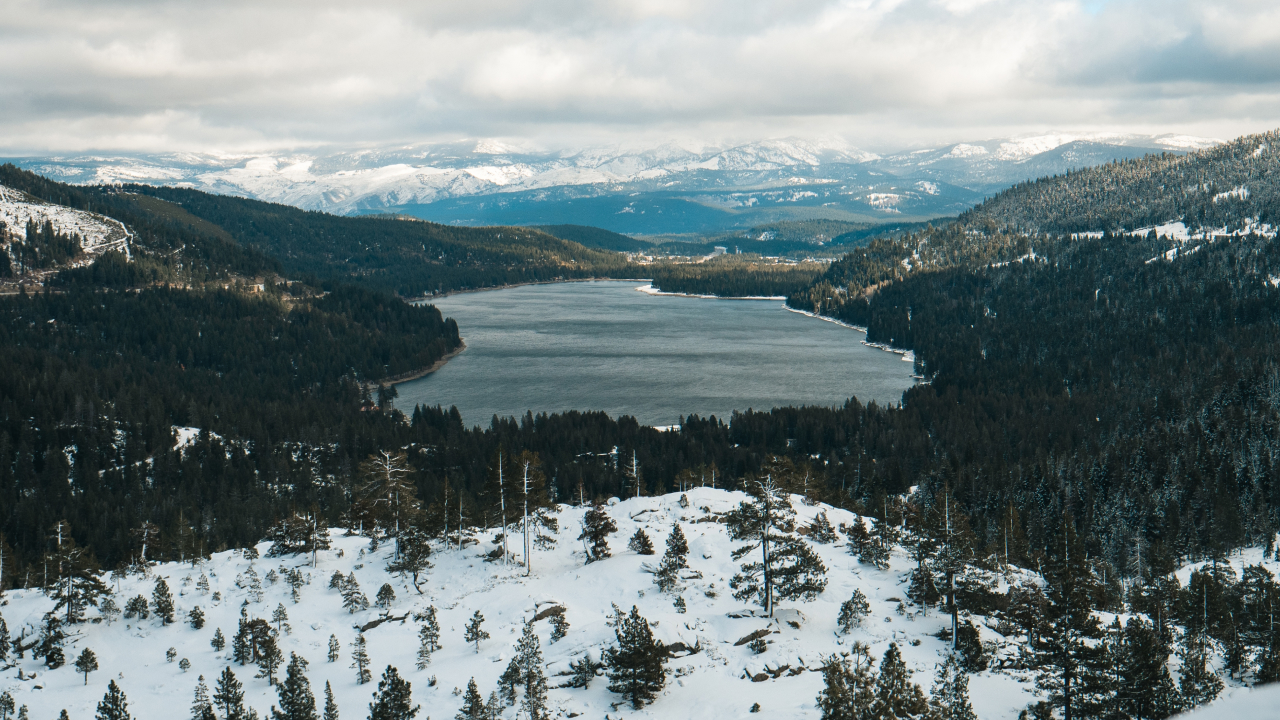
Alaska makes glacier country accessible through an established cruise route, with scenic sailing and ports such as Juneau, Ketchikan, Sitka and Skagway. Yet two seven-night itineraries can offer very different port hours, protected-area access and excursion choices.
Confirm the scheduled glacier area, allow for changeable weather and treat wildlife as a possibility rather than a promise. The best fit balances ship size, useful time ashore, mobility, excursion cost and the activities you genuinely want to do.
Why choose this destination
Alaska offers glaciers and wildlife within established cruise infrastructure, making it more accessible than a polar expedition.
- Location
- Alaska coast and Inside Passage
- Age suitability
- Family-capable; excursions vary widely
- Weather
- Cool, wet and changeable
- Typical cruise
- 7 nights; longer with land extension
- Best for
- Glaciers, wildlife and scenic sailing
What to expect
Layered clothing, expensive high-demand excursions, uncertain wildlife and meaningful differences in port duration.
Caveats
A balcony can reduce crowding during scenic days but adds cost. Confirm Glacier Bay access rather than assuming it.
Illustrative—not guaranteed
 04
04Strong voyage-specific practical detail
Norwegian fjords
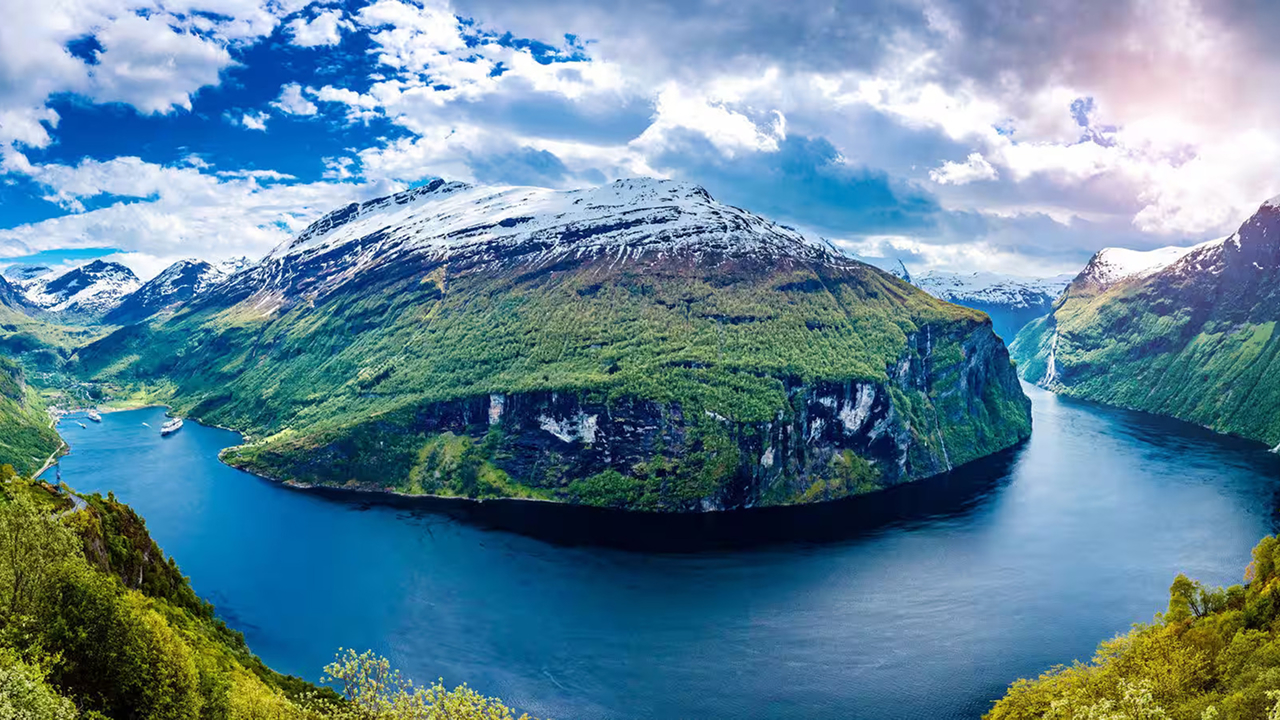
In the Norwegian fjords, the sailing is often the main experience: waterfalls, steep valleys and small settlements unfold directly from the ship. Cabin sightlines and deck access therefore matter, while ports add railways, hikes, viewpoints and compact towns.
Weather can alter both views and calls, and one cancellation can remove a large part of a short route. Compare ship scale, port hours, tender arrangements and excursion alternatives; this region best suits travellers who value scenery, walking and slow observation.
Why choose this destination
The sailing is part of the destination: glaciated valleys, waterfalls and compact settlements can be experienced directly from the ship.
- Location
- Norwegian coast and fjords
- Age suitability
- Families possible; mobility planning matters
- Weather
- Cool, windy and rapidly changing
- Typical cruise
- 7–14 nights
- Best for
- Scenery, waterfalls, hiking and compact towns
What to expect
Weather-dependent calls, scenic sailing and a very different atmosphere on a small vessel versus a ship carrying thousands.
Caveats
One missed call can remove a large share of a short itinerary. Check cabin sightlines, crowds and independent excursion options.
Illustrative—not guaranteed
 05
05Attributed reader report plus conservation sources
Galápagos
Galápagos is a guided nature journey, not a conventional tropical cruise. Authorised visitor sites, naturalist guidance, small-boat transfers and conservation rules shape each day, while vessel size and the daily activity plan affect waiting time and access.
Expect uneven ground, wet landings, open-water motion and repeated activities, plus flights and biosecurity procedures before sailing. It best suits travellers who put natural history ahead of nightlife, shopping or flexible beach time.
Why choose this destination
Regulated wildlife encounters and naturalist-led exploration make Galápagos a focused nature journey rather than an ordinary tropical cruise.
- Location
- Ecuadorian archipelago
- Age suitability
- Vessel and activity dependent
- Weather
- Seasonal sea and weather shifts
- Typical cruise
- 7–10 nights
- Best for
- Endemic wildlife and small-ship exploration
What to expect
Structured landings, guide-led activities, wildlife-distance rules and meaningful differences between vessels.
Caveats
Cost, motion sensitivity, physical activity and biosecurity controls matter. Current personal evidence is a hosted reader review.
Illustrative—not guaranteed
 06
06Strong conditional expedition account
Antarctica
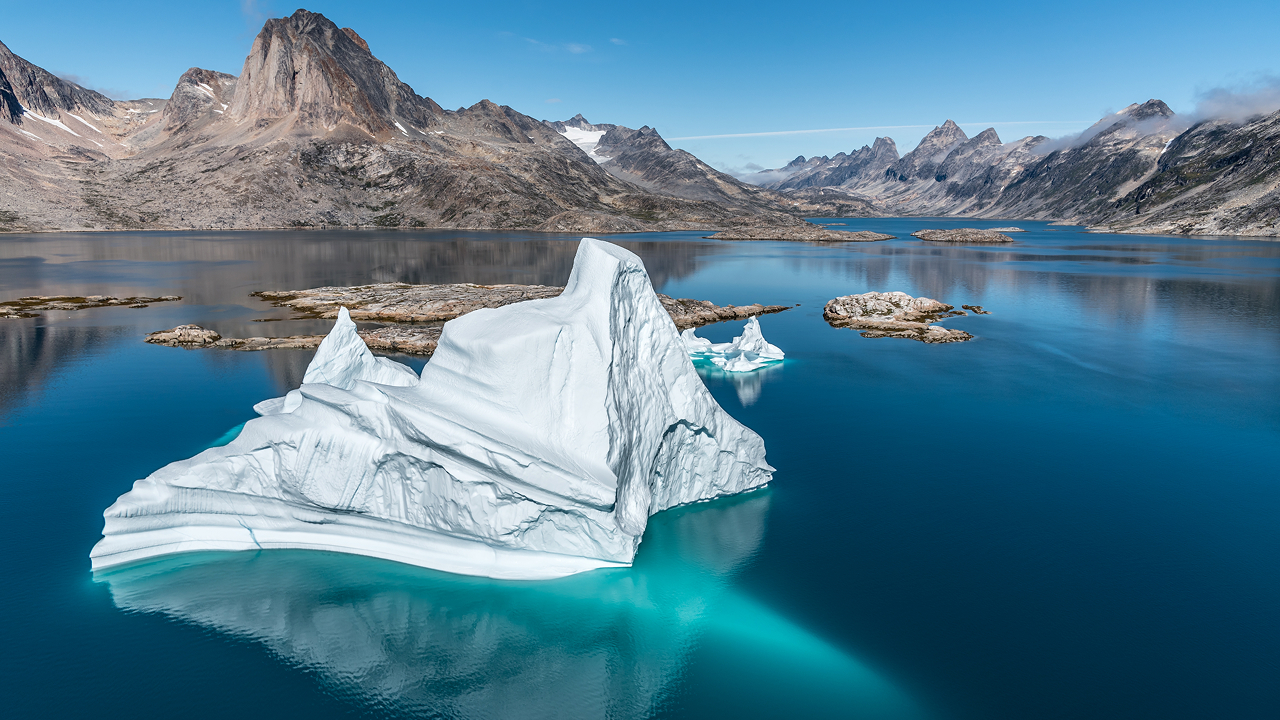
Antarctica is an expedition with a moving plan. The Drake Passage, weather, ice, wildlife and landing permissions determine each day, so advertised stops may change without the voyage having failed.
Ship capacity, guide quality and Zodiac organisation affect time ashore. Under IAATO operating rules, ships carrying more than 500 passengers do not make landings, and landing operations limit the number of visitors ashore at one site. Consider mobility, cold tolerance, motion sensitivity, insurance and evacuation limits as carefully as cabin comfort. The strongest voyage has the right vessel and team—not the longest list of planned stops.
Why choose this destination
Antarctica offers ice landscapes and wildlife on a scale unlike conventional port cruising, but the expedition format requires accepting uncertainty.
- Location
- Antarctic Peninsula via southern South America
- Age suitability
- Operator minimums and mobility rules vary
- Weather
- Cold, windy and highly changeable
- Typical cruise
- 10–14 days; longer with South Georgia
- Best for
- Expedition travel, ice and polar wildlife
What to expect
The Drake Passage, Zodiac operations, cold and wet transfers, controlled landings and schedules shaped by wildlife and conditions.
Caveats
Weather can cancel the experience you imagined. Ship category determines landing access, passenger scale and time ashore.
Illustrative—not guaranteed
 07
07Comparison destination · research incomplete
Japan and East Asia
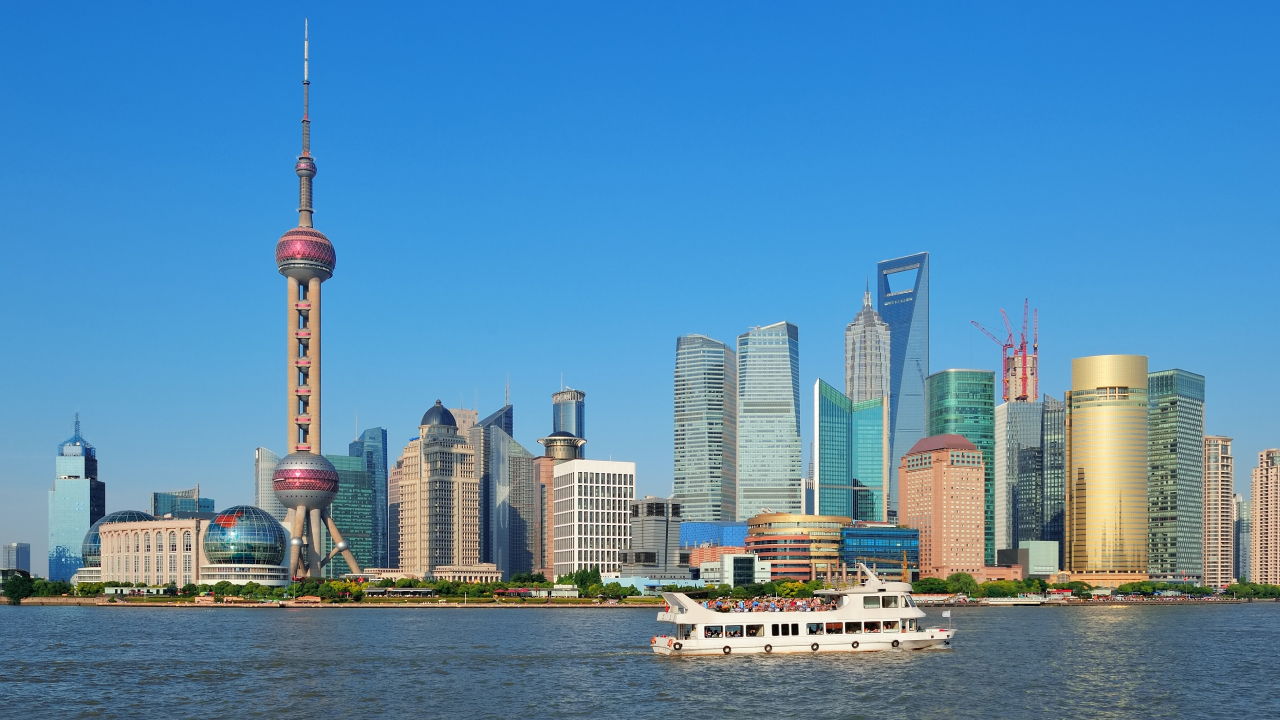
Japan and East Asia combine major cities, historic ports, temple districts and distinct food cultures. Japan-focused routes offer more continuity, while calls in South Korea, Taiwan or Southeast Asia introduce wider changes in language, customs and entry requirements.
Check the season, visas, terminal location and actual time ashore for every route. Urban calls can involve trains, long walks, crowds, heat and humidity, so choose the itinerary for its specific ports—not simply because it carries the broad label of Japan or Asia.
Why choose this destination
Dense cities, food, temples and changing cultures offer greater contrast between calls than a single-country coastal route.
- Location
- East and Southeast Asian coasts
- Age suitability
- All ages; transfers and heat may challenge
- Weather
- Strong monsoon and seasonal variation
- Typical cruise
- 9–14 nights
- Best for
- Cities, food, temples and cultural contrast
What to expect
Long urban days, transport planning, changing languages and cultures, and possible sea days between regional clusters.
Caveats
The region is too broad for one season rule. Visa and entry requirements depend on nationality and can change. Check Japan’s Ministry of Foreign Affairs for your passport, repeat the check for every additional country, and assess weather using the exact ports and travel month.
Illustrative—not guaranteed
 08
08Comparison destination · broad region
New Zealand and South Pacific routes
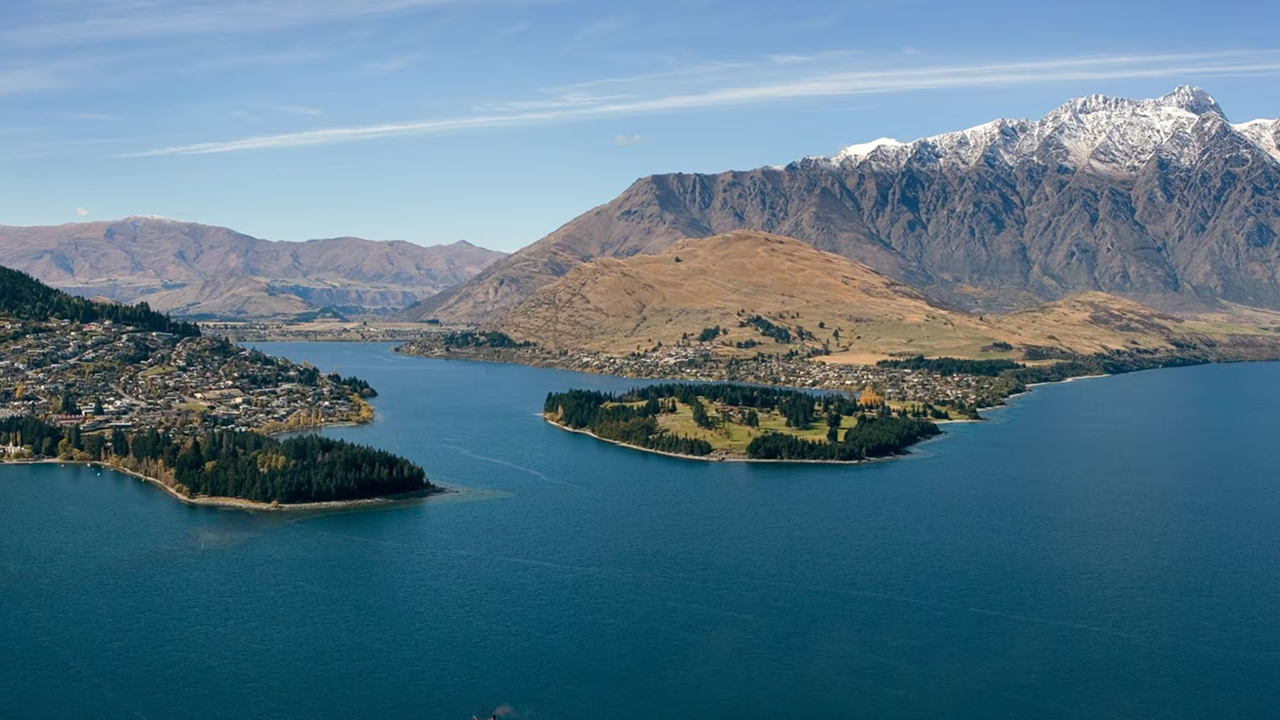
New Zealand coastal cruises and South Pacific island voyages are different journeys and should not share one verdict. New Zealand routes centre on ports, scenic sailing and changeable temperate conditions. South Pacific itineraries can involve long sea passages between tropical islands, with the ship playing a larger role in the experience.
Choose which journey you want before comparing ships. Check sea days, port time and current entry rules separately; tropical-cyclone guidance for Pacific islands should not be applied as a general description of New Zealand conditions.
Why choose this destination
Cities, wildlife, fjords, islands and long coastal distances support both conventional and remote-feeling journeys.
- Location
- Australia, New Zealand and Pacific islands
- Age suitability
- All ages; activities vary
- Weather
- Temperate to tropical; reversed seasons
- Typical cruise
- 10–14 nights or longer
- Best for
- Wildlife, cities, coastlines and islands
What to expect
Long flights, sea days, varied climates and a choice between trans-Tasman routes and slower island itineraries.
Caveats
“Oceania” hides several different products. Cyclone exposure, remote infrastructure and total travel time need route-level checks.
Illustrative—not guaranteed
Expert context
What specialists add to the journey evidence
Traveller accounts show what happened on individual sailings. These published specialists help explain wider health, destination and sustainability questions. Their views inform the guide but do not replace WU’s editorial review.
Ross A. Klein, PhD
Cruise-tourism researcher, Memorial University of Newfoundland
A cruise affects more than passengers. Ports, residents, workers, regulators and ecosystems share its effects, so WU considers local benefit and environmental pressure separately from passenger satisfaction.
Alexis Papathanassis, PhD
Professor of Cruise Management and e-Tourism
Cruise research increasingly examines destination effects, sustainability and resilience alongside the ship. That supports comparing the vessel, itinerary and receiving places as one connected journey.
Joanne Feldman, MD
Emergency physician and polar expedition doctor
Rough, prolonged sea passages make motion sickness a genuine suitability issue on expedition routes. Prevention should be discussed with a qualified clinician before travel.
Four footprints. One place.
A destination is more than the view.
Each place is examined through personal experience, living systems, human pressure and history. Missing evidence remains visible as a gap.
Personal
Real journeys, dated observations and named contributors.
Missed ports, cabin choices, crowds, costs and changed plans remain tied to the voyage that produced them.
Partially reviewed
Natural
Water, wildlife, forests and the living systems beneath the view.
Protected-area rules and ecosystem sensitivity matter most in Alaska, Antarctica, the fjords and Galápagos.
Place-level review
Human
Tourism, communities, access and the pressures visitors create.
Port congestion, work, visitor access, waste and local benefit require community or official evidence—not traveller assumption.
Evidence expanding
Historical
People, legends and events anchored to the places they changed.
History is connected to the actual port or route. Generic Viking, ancient or exploration copy is excluded.
Place-level review
How we know
Sources, limits and corrections
Traveller reports remain tied to specific voyages. Official facts use protected-area and public authorities. Expert experience stays separate from commercial independence, and unresolved dates or relationships remain visibly labelled.
Operational information checked September 2026. Recheck entry rules, fees, schedules and operator policies before booking.
Reader signal
Was this guide useful?
Reader ratings measure usefulness only. They never change the verified editorial ranking.
Be the first reader to rate this guide.
Audience submission · Add your journey
Have you travelled on one of these routes?
Your story enters a private moderation inbox. Automated spam and duplicate checks run first; a WU editor must then verify and approve it before it can appear publicly.
Additional traveller accounts will appear after contributor permission and editorial review are complete.
Continue planning: Compare cruise lines · Cruise packing essentials · Cruise lines for families