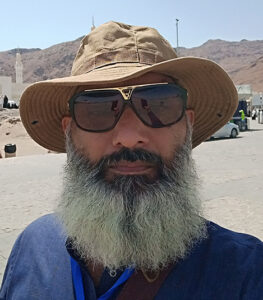
I did not begin travelling alone because I had a perfect plan. I began because, after years of routine, work and screens, I felt increasingly drawn towards open roads, wild places and the kind of silence you cannot find indoors.
For most of my working life, technology shaped my days: clients, systems, deadlines and long hours in front of a screen. I valued that work, but another part of me kept looking towards deserts, forests, coastlines and long roads.
[toc]
There was something I could not measure in a spreadsheet or project plan: the feeling of being outside, moving through a landscape with enough time to notice it.
By the time I reached fifty, I had stopped treating that feeling as a distraction. I wanted to give it proper space in my life.
What This Solo Travel Journal Is Really About
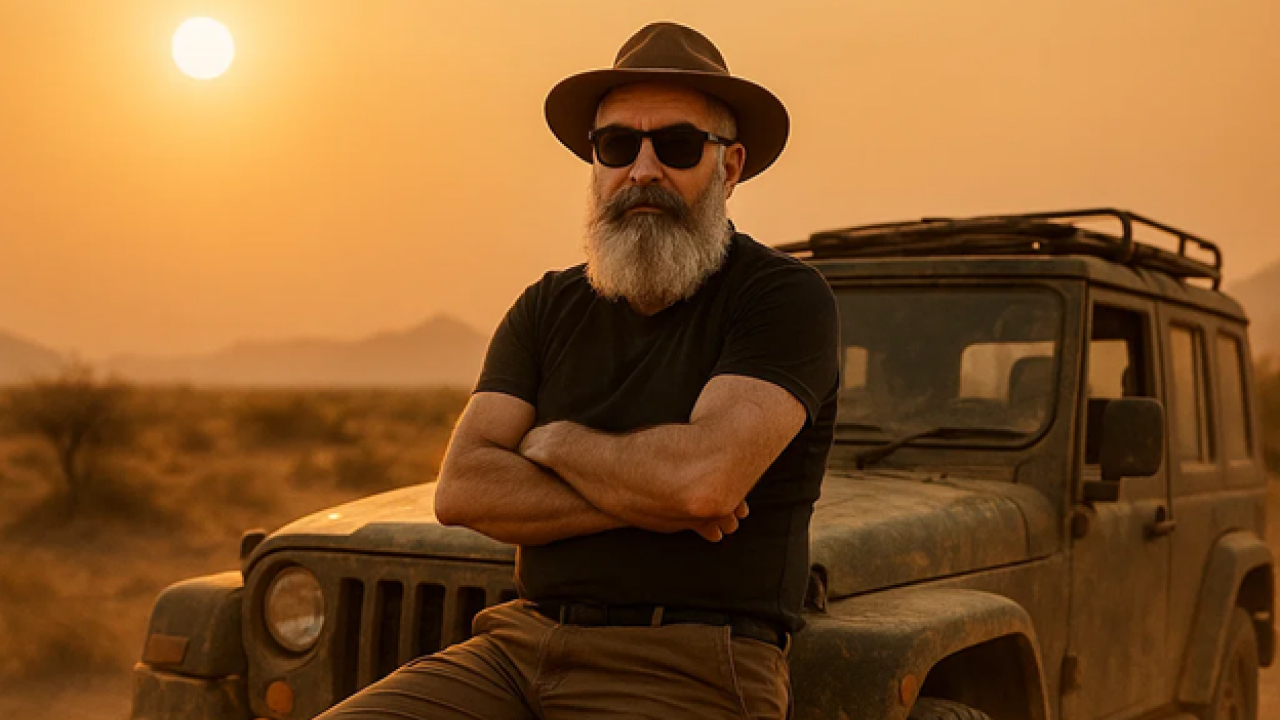
Here’s everything that made my solo journeys unforgettable – and I hope it will help you shape your own path too.
- Solo travel guidance – practical routes, safety lessons, planning mistakes and places that stayed with me
- Responsible travel lessons – what I learned about respecting local communities, landscapes and wildlife
- Personal travel stories – the good moments, mistakes and quieter lessons from deserts, forests, coasts and small towns
- Off-road journeys – desert tracks, long drives and the practical side of travelling beyond the usual route
- The inner side of travelling alone – solitude, uncertainty and what changes when there is nobody else setting the pace
Solo travel is not a progress report. Distance matters less than what you notice, how you respond when plans fail, and the kind of person you are when you return.
This journal brings those experiences together one road, one place and one honest lesson at a time. Some journeys changed very little. Others changed the way I understood freedom, patience and home.
How I Started Travelling Alone
I had spent decades working in technology, but my interests outside work had nearly always pulled me outdoors: deserts, forests, open roads and activities that put me in direct contact with the landscape. Looking back, even my hobbies pointed in the same direction: horseback riding, forestry, athletics and working with dogs. They were different interests, but each gave me more space, movement and contact with the natural world.
What I remember most from those early journeys is not the mileage. It is the silence: wind through an open window, long stretches without traffic and the feeling that there was no need to fill every minute with noise.
The first time I deliberately set out alone, that space felt different. There was nobody else’s timetable to follow and nobody else deciding when to stop or move on.
At a mountain bend or beside an empty desert road, I could stop simply because I wanted to. That freedom became one of the things I valued most about travelling alone.
I also learned that travel does not transform you on command. Often the lessons come from inconvenience: a vehicle stuck in soft sand, a wrong turn, a closed road or a plan that simply does not work.
When you trek along hiking trails without phone signal, no comfort at all, just instinct. It rewards you for laughing with strangers in a place where nobody recognizes your face.
Some of the clearest memories are surprisingly ordinary: tyres over gravel, an empty road ahead and enough quiet to hear what I was thinking.
When I began WorldsUltimate, I was not thinking about building a polished travel brand. I wanted a place for real journeys and useful experiences—not only luxury travel, but the connection that comes from actually being somewhere and paying attention.
From the raw, unfiltered truth of being a mere dot in what seems an endless landscape. When you have gone through it – really lived it – you won’t look at life quite the same way again.
What the Deserts of Saudi Arabia and Pakistan Taught Me
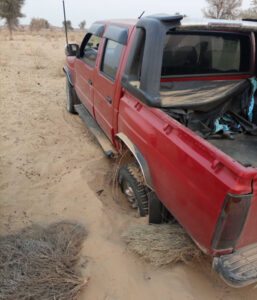
The desert has a way of eliminating our unnecessary thoughts. It does not care who you are, what you have done, or what your next step will be. It strips away all that is unimportant and brings you right back to basics. The first time I faced the Arabian dunes, I realized that patience was not merely an attribute but survival itself. Solo travel makes you face this truth directly.
Driving a 4×4 vehicle across endless deserts is a humbling art. Sand isn’t firm ground; it is shifting, changing, and obstructing. You cannot defeat it; you can only learn to dance with it.
My mind flashes back to the steering wheel quivering in my hands as tires dug deep into soft dunes, the engine struggling to carry the burden of heat. The horizon wavered like a mirage, but there was no fear, only surrender. In the desert, you don’t battle nature; you listen to it.
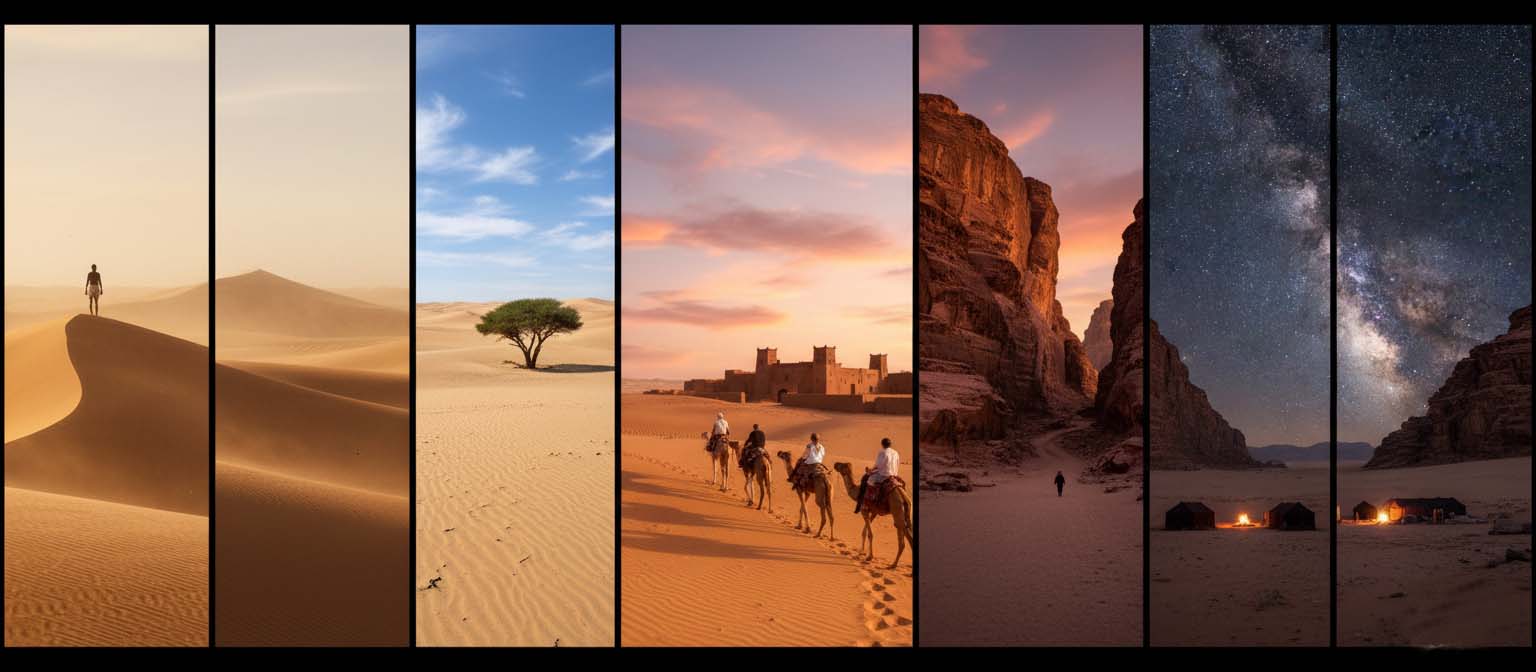
The desert demanded patience from me. I remember stopping during one drive as the light softened across the dunes. With no traffic and very little noise, the scale of the place became more obvious. It was not mystical; it was simply a reminder of how quickly confidence disappears when the landscape is bigger than your plans.
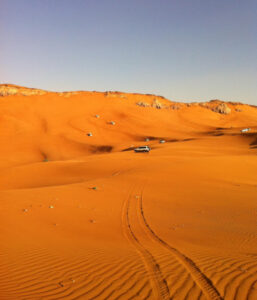
But it wasn’t just the Arabian dunes that formed me – the deserts of Pakistan did too. The Cholistan and Thar deserts have their own tale to tell. They are living cultures rather than mere places.
In Pakistan’s desert regions, the human landscape mattered as much as the sand itself. Villages, livestock, local routes and the practical realities of water and heat made the desert feel lived-in rather than empty.
Some of my strongest memories are of brief encounters with people living and travelling through these landscapes. Hospitality in a remote place can stay with you longer than any landmark.
It is through these simple human interactions that the essence of travel reveals itself. Deserts teach you to be grateful for the small things – a cup of water, a brief shadow to rest in, a kind deed. It slows time until every breath is felt. I learned more about patience and perspective there than in any classroom or boardroom.
One more time, whenever night approached and stars filled the sky to form a world all its own in which we humans still struggle hopelessly against darkness, I would lie on the sand and look up. The purest theatre of the universe, the desert sky is infinite, brilliant, and makes one feel awfully small.
That is what the desert does – it shows you that time is a mirage. You begin to see that progress isn’t always forward; sometimes it goes inward.
Out here in this empty place, I often thought of the ancient travelers, both merchants and mystics, who crossed these same dunes with only the starlight telling them where to go. I felt I was a part of them, that we were all in one great journey – different eras, same direction of travel.
The American Road: Distance, Freedom and Scale
If the desert taught me patience, America taught me freedom. There’s something about the American road – it’s not simply a place to pass through, as the saying goes; it is its own destination. The first time I drove across the vast landscapes of the United States, it felt as though I was taking the heartbeat of a continent built on motion. It felt like solo travel in its purest form.
From the rusty reds of Arizona to the endless highways of Texas, every mile seemed to me like a verse in some ancient poem about discovery. The road simply went on and on, and on some days I had no reason to hurry towards the next stop.
It was the sort of distance that stretches beyond sight, asphalt lines fading into shimmering heat, sky so wide it made you feel nothing but infinite and insignificant.
I used to drive endless hours without ever seeing another human being, only the noise of my tires humming and a steady growl from the engine, and the radio fading into static as the world turned wild again.
That is where the very essence of the American wild lies – in the in-between. To be found between cities and woods, mountains and way-motels, daybreaks and solitude.
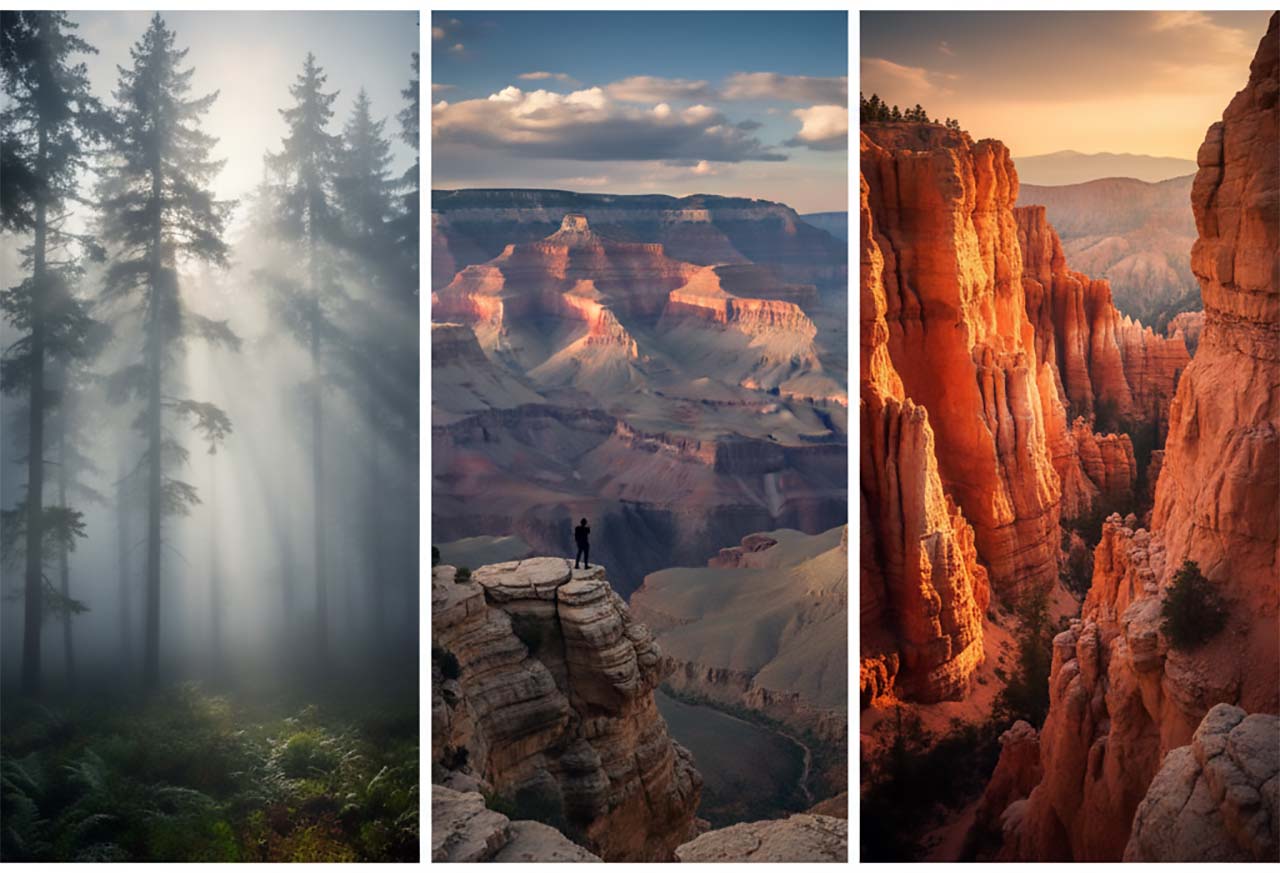
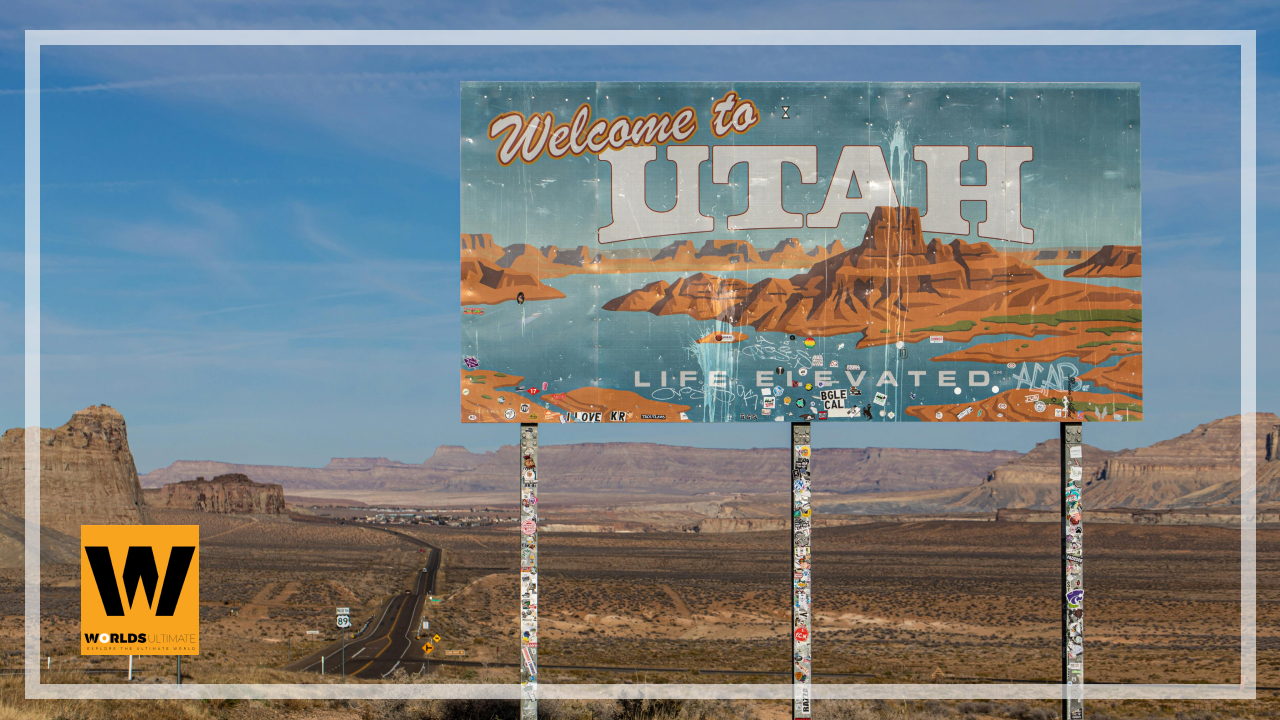
I have camped in Oregon’s forests where mists envelop trees like wraiths at dawn. At the Grand Canyon, the scale was difficult to absorb. As the light changed, entire sections of rock seemed to appear and disappear in shadow. The canyons that I drove through in Utah were carved by time itself – their walls glowed crimson under the late afternoon sun, whispering stories of wind and patience.
Once in the Rockies, I hiked alone into a valley where elk grazed among wildflowers. Except for the distant call of an eagle and my boots crunching on fall leaves, it was silent. I remember thinking – this is the silence that heals. Such moments define solo travel.
Here, one does not conquer nature; rather, one merges with it. You let its vastness humble you, reminding you that control is an illusion.
Still, the American road isn’t all forests and grace, not at every last turn. The waitress in a Nevada diner who called me “hon” and filled my coffee without asking. The biker in New Mexico who shared his map and told me which desert road was “worth getting lost on.”
One conversation in Colorado stayed with me. The idea was simple:
At some point, stop checking where you are and start noticing where you are.
Each encounter became one more chapter in my journey – the tiny, human moments bound up physically as well as spiritually with a larger unfolding adventure.
What struck me most about America was its contradictions-wild yet orderly, modern yet ancient, desolate yet hospitable. It is a nation that celebrates movement, but for the individual in transit, it’s a mirror to search your meaning in motion. You begin to realize that every road trip isn’t about reaching somewhere – it’s about losing what no longer matters.
Somewhere between the Pacific Coast and Route 66, I felt the familiar stillness again. The kind that started in the deserts of Arabia and Pakistan. It followed me like an invisible compass, whispering that adventure isn’t about collecting destinations, but about collecting awareness.
The American wild changed me. It taught me that freedom is not the absence of limits – it is to embrace them. Drive on until that road is gone and trust that the next one will appear when it’s meant to.
Canada: Learning to Slow Down in the Forest
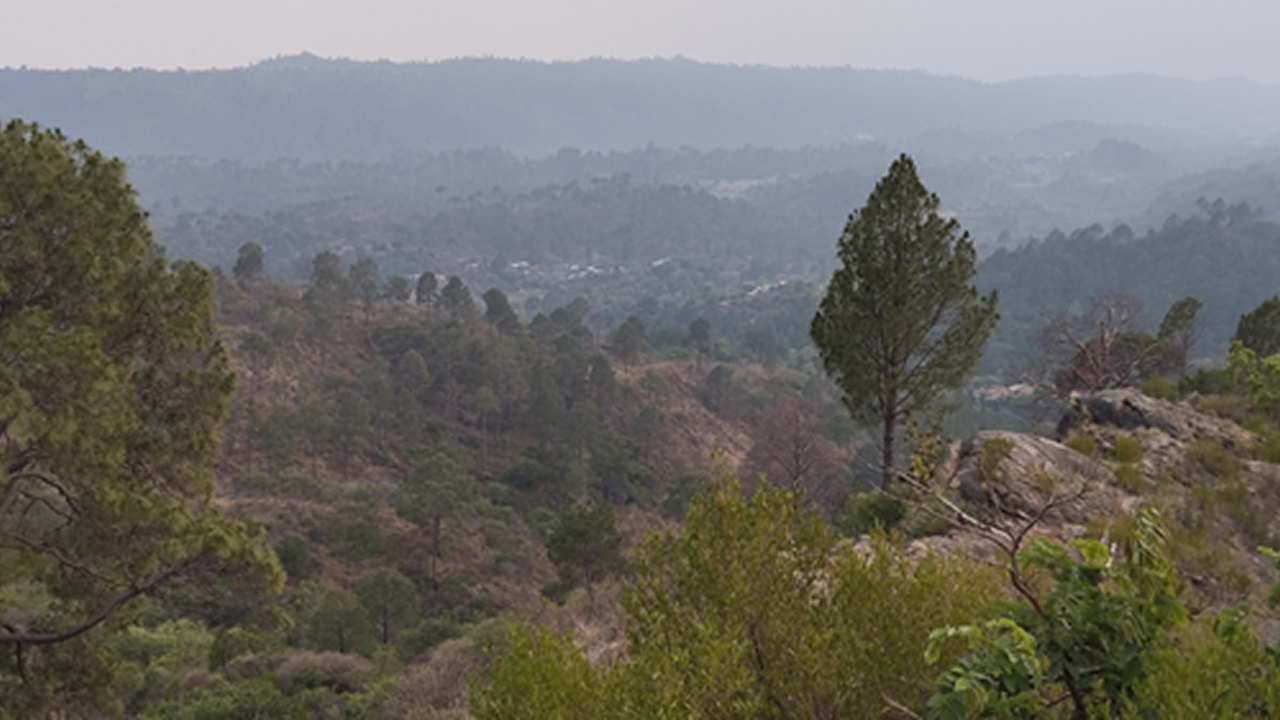
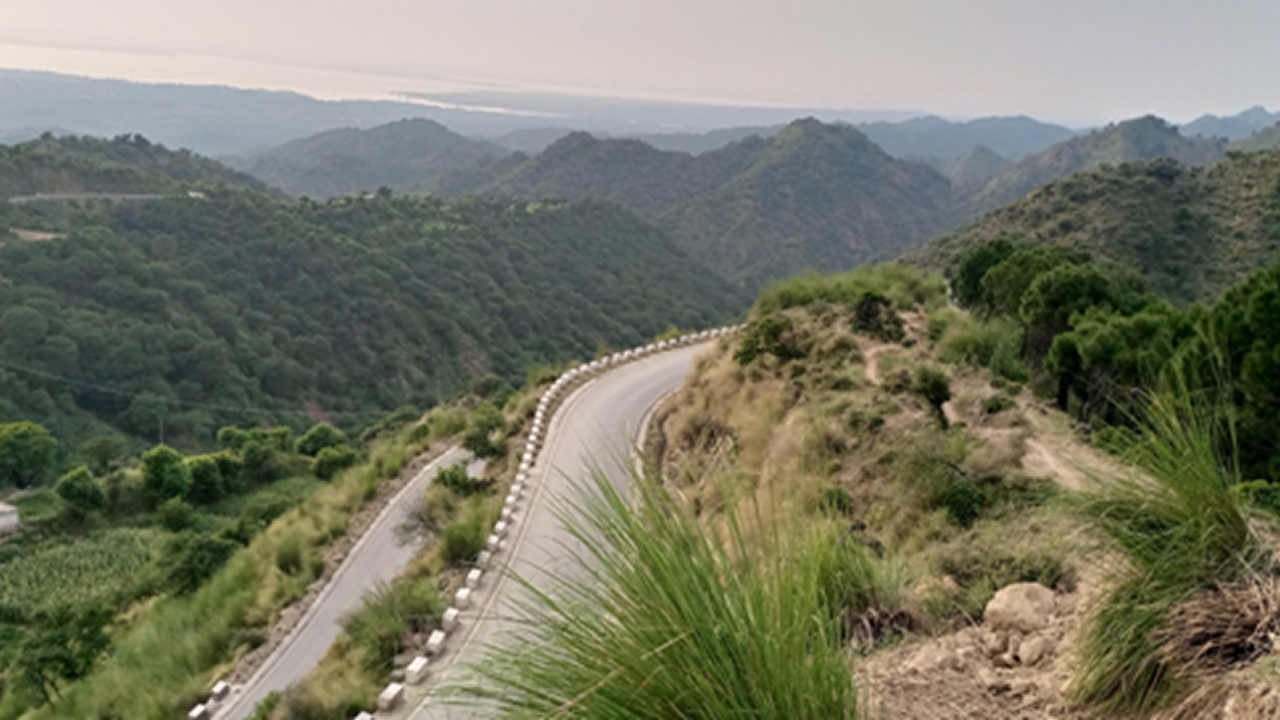
If the desert taught me patience and the road gave me freedom, Canada’s forests taught me to slow down. Canada was never on my bucket list – it called me quietly, like a forgotten dream. When I finally travelled there, what stayed with me was the scale and density of the landscape rather than any single attraction.
My first single travel encounter was in the dense wilderness of British Columbia – towering cedars, thick moss underfoot, and the smell of rain even when it wasn’t raining. The forest had a pulse, a rhythm of life that one can’t capture in photographs. Every step felt like an intrusion and an invitation at once. I have learned quickly that out in the wild, you don’t lead – you follow.
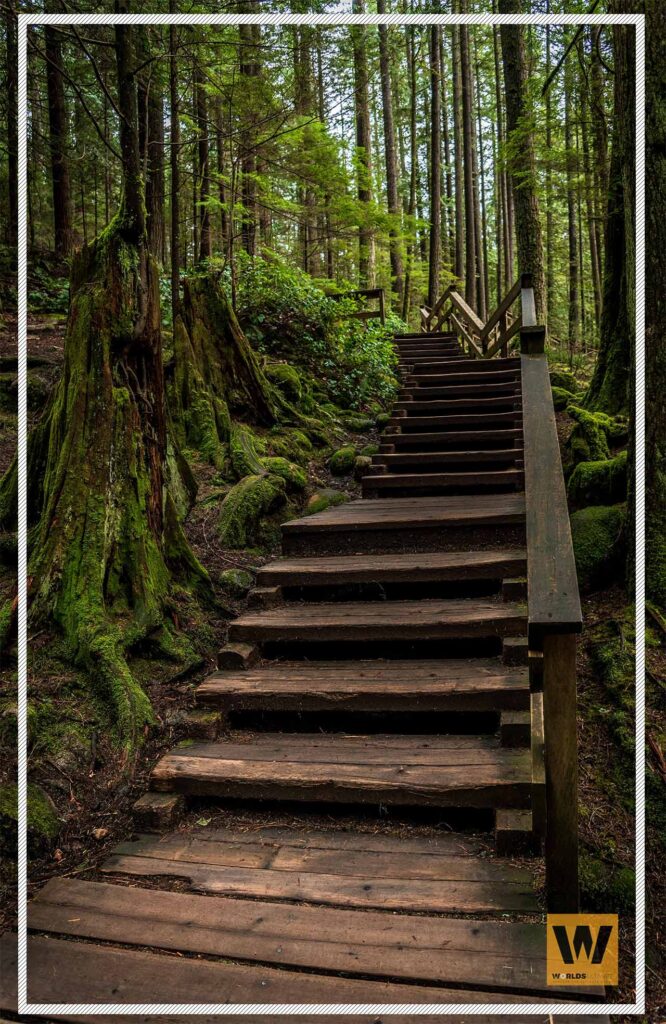
I would wake before sunrise, the world wrapped in silver mist. The forest floor would gleam like glass, and the air was so clear that it almost hurt to breathe. The calls of birds, the distant crackle of branches – it was like the earth was whispering in a language I once knew but had forgotten.
I have a particular fondness for trees. Maybe it is due to my forestry background, maybe because they remind me of the passage of time. In Canada, I visited ancient forests whose trees were older than the greatest civilizations. I would run my hand over the bark and try to imagine what stories it might tell-whether of maturing in storms, enduring fires, or simply living through the seasons.
In the Yukon, I once got caught by a sudden rainstorm while hiking. The trail became slippery underfoot, and visibility was reduced to zero. For a brief spell, I was utterly alone there – no signal, no compass in hand, just what my senses told me. That’s when solo travel showed me what true self-trust feels like.
Yet as the storm cleared, I looked up from a ridge to see nothing before me but the pine forests stretching forever into the distance. It was in that quiet that something shifted. I saw that solitude wasn’t something to run away from – it was something to cherish.
The Canadian wilderness is patient and slow. It shows you that you’re not the center of the world – but one small breath in its vast rhythm. There’s something very peaceful about this – the kind of peace which science can’t attain, and cities can’t sustain.
I drove travelling alone through Alberta’s forests, camping near quietly gleaming lakes and watching moose wade through morning mist. At night, I would light a tiny fire and sit there watching sparks rise against a sky full of northern stars. There would be no sound at all – no engines, no footsteps, just the soft hum of the universe itself.
In those moments, I understood that silence is not the absence of sound: it is the presence of meaning.
Every forest has its voice: In Pakistan, it is earthy and resilient; American forests seem more generous and open, but in Canada, a deep spiritual call brings forth something ancient inside you. You work your way through these woods not to escape the world but to remember it.
Miles intertwine with memory under my wheels, and I realized that the forest had changed me. It softened something in me that the deserts had hardened. It imparted a deep sense of stillness, being neither frightened nor weak. Developments like the growth of trees happen quietly and patiently in ways that cannot be seen or heard.
The forest whispers, and if you listen long enough, you begin to understand that the journey isn’t about discovering new places, it’s about rediscovering yourself in them.
Europe: Travelling Through Layers of History
Europe often felt less like one journey than a series of layers: old cities, rail routes, religious sites, modern neighbourhoods and landscapes carrying very different histories. Wander across Europe and you’ll walk through history itself – sometimes bright, occasionally dark, but always beautiful.
I began in Spain. Here, deserts metamorphose into olive groves; the air carries a whiff of sea. Andalusia greeted me with warm winds and echoes of Moorish verse inscribed in marble.
The Alhambra was like a dream frozen in time – arches and patios glowing under the golden sun. In its silent halls, I wandered, fantasizing about the sages, architects, and wandering scholars who once stood where I stood now, seeking the divine in numbers, in art, in words.
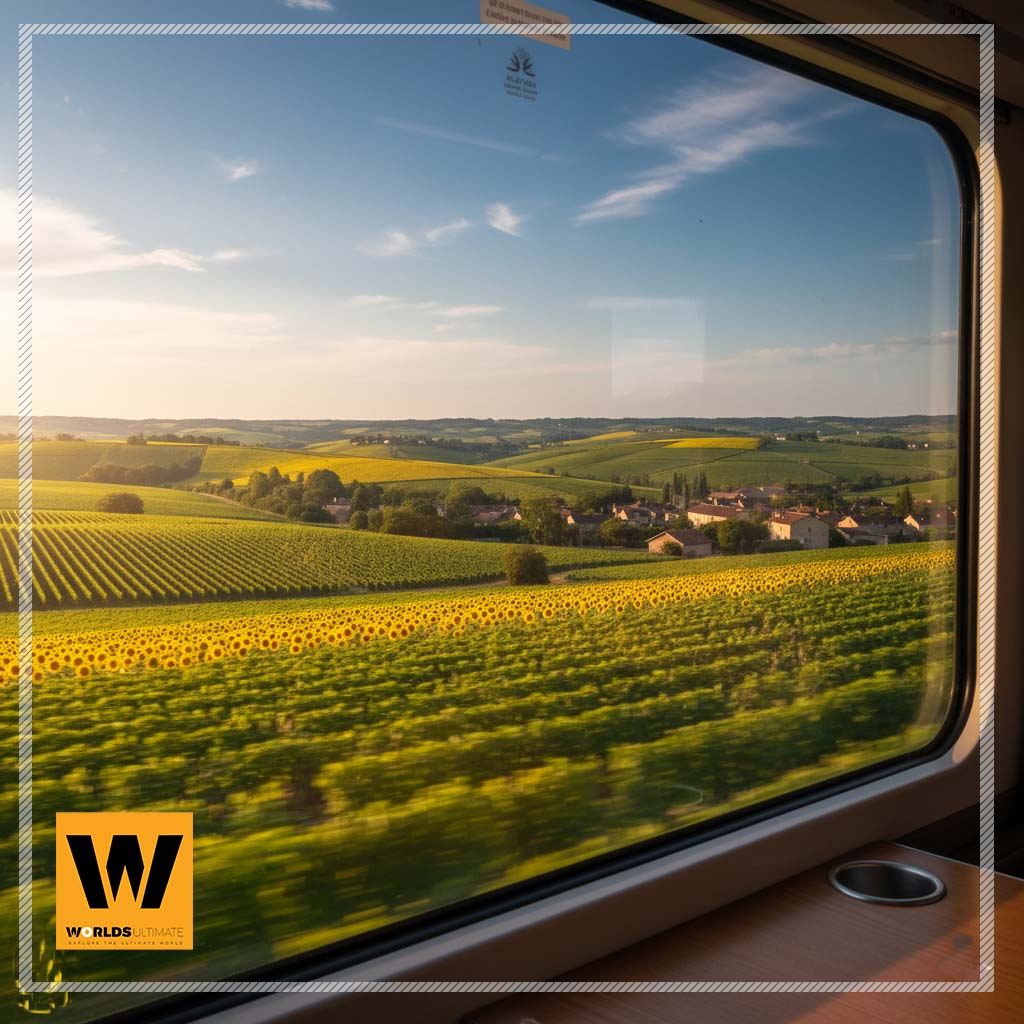
From Spain, I headed northward into France, where vineyards stretched on and on, always in waves of green rolling under the blue sky. Travelling by train was an immense pleasure, as the landscape lived for me in slow motion – sunflower fields, old stone cottages, and quiet villages.
At dawn, Paris is all the poets promised and yet everything they have contrived to forget. Grand and at the same time chaotic: yet intimate enough at dawn when the streets are empty and the Seine glows silver.
However, the very heart of my European adventure lay in Italy – a country where beauty is a way of life. Rome, traffic noise, and ancient walls obtruding everywhere, brought home to me that civilization is both fragile and immortal.
I could stand in the shadow of the Colosseum and feel centuries pressing down like an enormous leaden weight on my chest. But then an espresso at some side café would suddenly yank me back to reality – bustling city life past at top speed, laughter pouring out of narrow streets.
But in Florence, art wasn’t confined to galleries. It lived in the air – the way light touched the domes, how locals paused to listen to street musicians. In Florence, art was as much a matter of atmosphere as it was anywhere else. I’d wander through markets filled with spices and leather, then climb a hill to watch the city glow in sunset’s embrace.
There’s a kind of stillness there that makes you believe beauty is maybe just another form of prayer. Crossing over the Swiss border felt like stepping into a different adventure story – where every mountain looks as if it were painted by a perfectionist. I took a solitary hike along the Lauterbrunnen Valley, waterfalls crashing down like liquid glass.
And it was impossible not to feel small. In that smallness, however, I found a strange power: the power of presence.
When you’re standing before something so vast, you can not have yesterday or tomorrow to think about. Now is the only time at which we live.
Following that, I trekked east through Austria, where the lakes reflect the sky like looking mirrors, and Germany, where woods whisper tales of wolves and wanderers. In Bavaria, I camped near a castle that looked as if it had been carved from the clouds, Neuschwanstein, a place so surreal that it would make you wonder if you were awake at all. But not every journey is about scenery. Some involve people.
In Czechia, I met a young traveler from Japan who was walking across Europe with nothing but a backpack and a small camera. He said, “I want to gather silence.” I didn’t understand it then, but afterward, when I stood in a quiet square in Prague, the city lights shimmering on the river, I knew what he meant.
Europe is something you don’t just see – you feel.
- It’s in the smell of rain on old stone.
- It’s in the laughter ringing through narrow lanes.
- It’s in the timeless rhythm of trains carrying dreams from one border to another.
Because Europe, perhaps, is meant to savor slowly-Not as a trans-Atlantic flight in airplane speaking blanket measurements and seat-back movies, but because the feeling grows stronger of walking with the ghosts that whisper their eye-witness accounts to your every step.
By the time I made it to Scotland, the wind was colder and my heart had grown quieter. The Highlands stretched on in endless green, grey, wild, and untouched. I remember climbing a hill, standing in the rain, and just laughing. Not because of happiness or sadness, but to belong to nowhere yet feel at home anywhere.
In Europe, I didn’t travel – I explored the annals of time itself. Every sunrise seemed ancient, each sunset sacred. And as the last train neared the edge of Europe, it suddenly occurred to me that travel isn’t just a question of adding destinations on your map. Travel is how you learn about yourself.
Africa: When Wildlife Changes the Pace of Travel
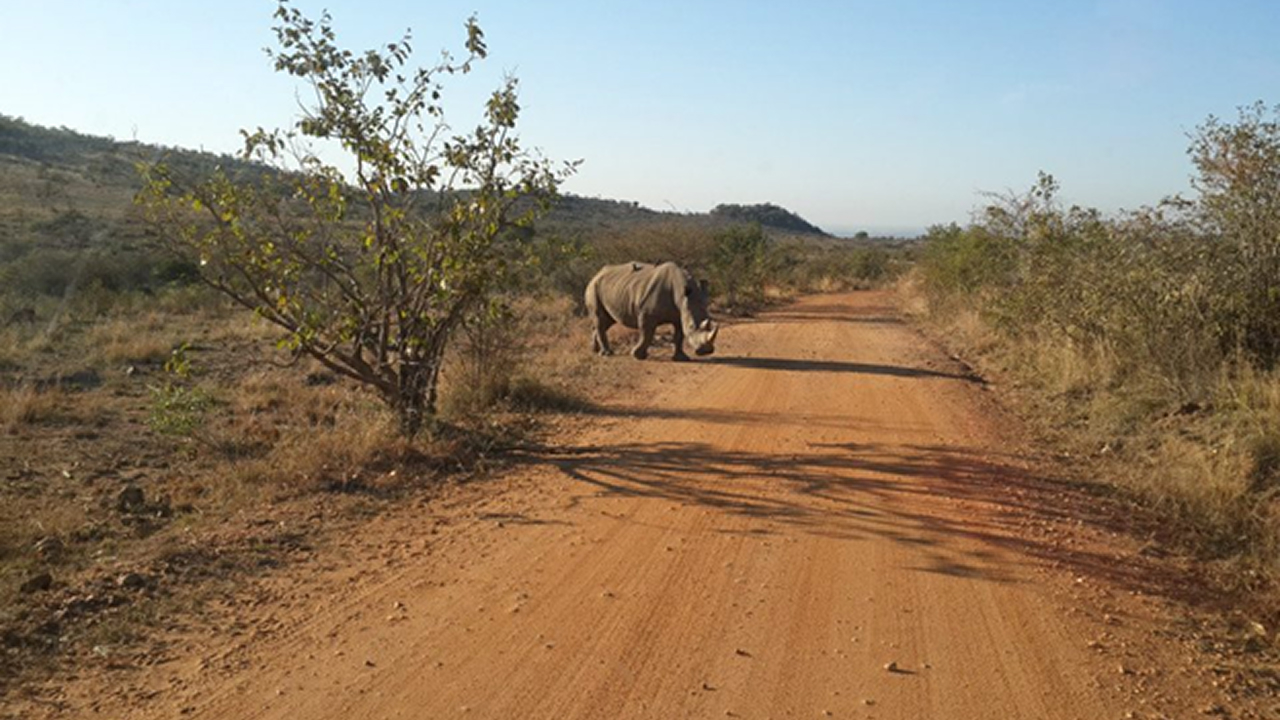
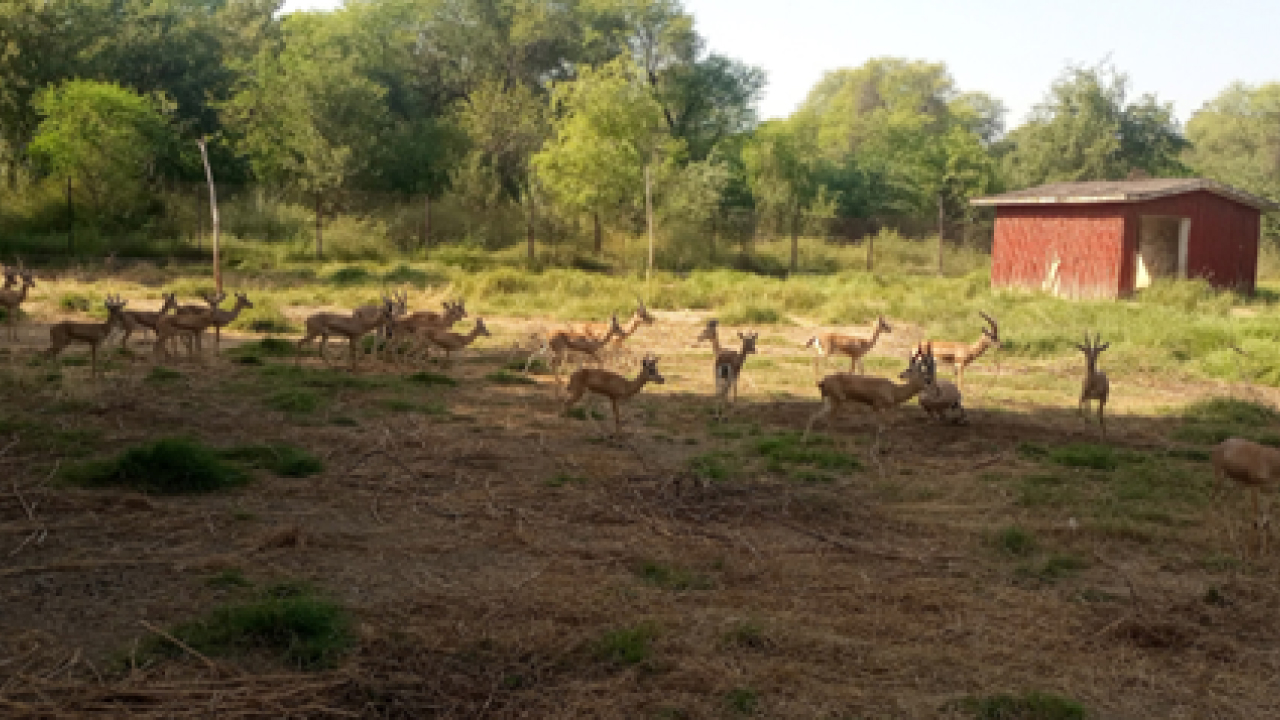
The horizon swallows the African sun – slow, a golden conflagration that feels like the earth is breathing out the life it gives. I recall my first night in the Serengeti, I was standing by a fire that blazed only inches high and listened to as creatures receding sounds then surged again.
From lions roaring to birds and crickets drumming all over the place, the wind up through acacia trees. The sky was not just vast – it seemed infinite, covered with stars that appeared close enough to touch.
Wildlife travel changes your pace. You spend more time watching, waiting and listening than moving quickly from one attraction to another.
Through solo travel missions, I had to drive across the savannah in Kenya, Namibian dunes, and South Africa‘s reserve lands taught me that it is not about chasing danger; it’s actually about being alive in its most unfiltered form. Nature is indeed fresh and straightforward like that. But don’t make any mistakes: you either learn to adapt or just watch.
Where the dunes pile up in the Namib Desert like waves from an ocean turned stone – huge, orange mountains all carved away by centuries of wind.
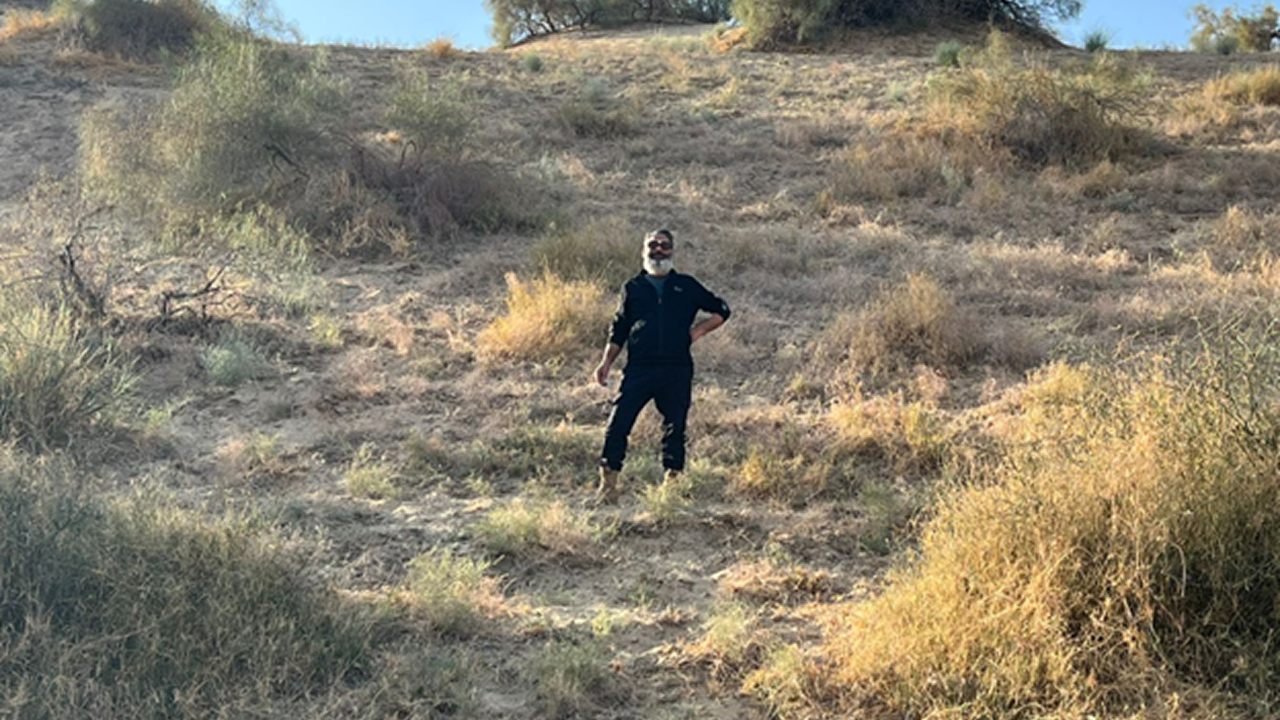
My jeep drove a path through emptiness itself; the tires beneath it could feel that living heartbeat of our planet. There’s an odd beauty in desert silence – it’s the kind that requires you to face up to yourself. When life takess away all the noise, your thoughts, fears, and dreams are left in front of you to blossom.
Next came Botswana’s Okavango Delta, a vast book of water and land in eternal motion. Paddling a mokoro (a traditional canoe) across these mirror-like waters, I saw elephants wade in the distance and birds cut across golden light like brush strokes on a moving canvas.
For some time, I did not take any pictures – I was simply observing. Because there are certain times when a picture just isn’t enough; they meant to transform you.
Every country has its character.
In Tanzania, the plain lay endless – a sea of grass with giraffe shadows getting here and there. In the morning light, I followed a Maasai guide named Lenkai through serene movement; his weapon flashed only just as the first light struck. “You go too fast,” he said. “If you hurry like that, Africa won’t unfold herself to you.”
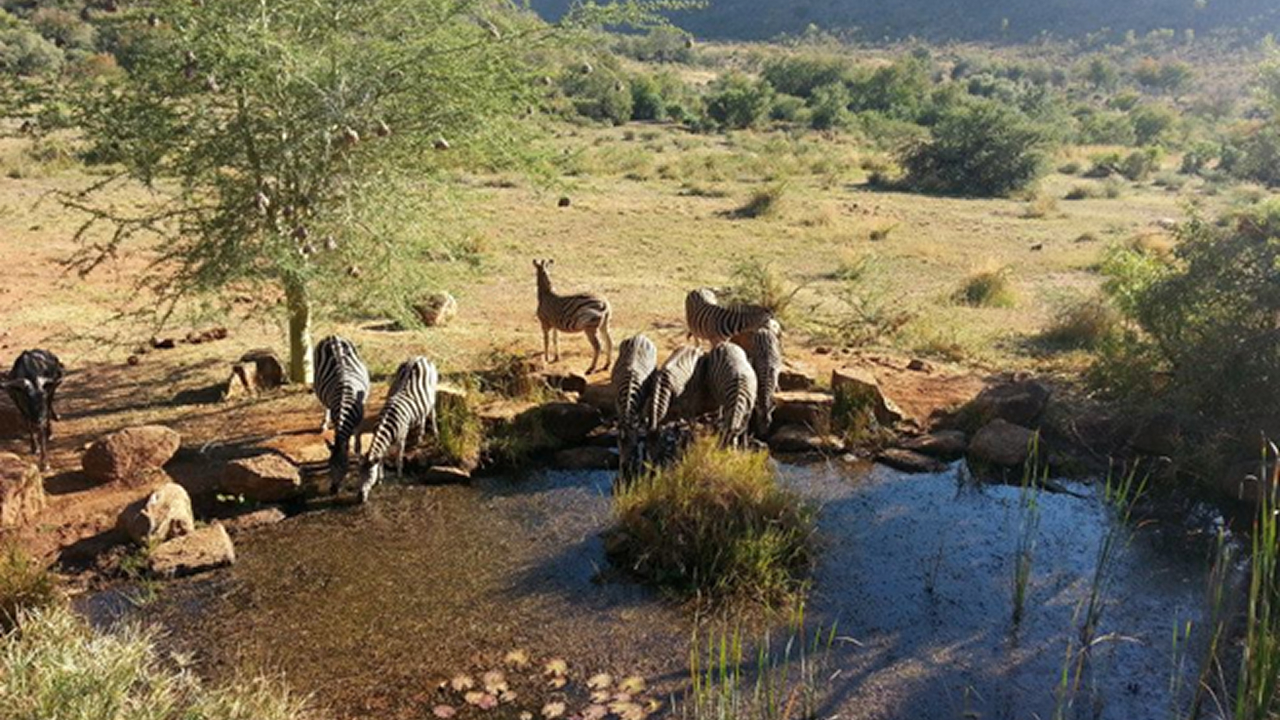
The bush time is one more season that we watch from its lap of luxury. Be patient. You can’t rush land. In South Africa, I spent days following wildlife trails around Kruger National Park. Sitting alone in my jeep for hours near a waterhole – not waiting to get just the right shot, but waiting for life to move naturally.
A lioness with cubs crosses the path. A herd of buffalo is stirring up dust as they go. The kind of silence that is louder than sound. But Africa is made up of more than just landscapes; it’s also people. That’s something solo travel constantly reminds you – connection lives even in stillness.
Read More: Safari Travel Spots in Africa
Gathered around small village fires, I shared tales with locals whose laughter carried all the warmth of home. In Namibia, I stayed with a Himba family, and like the desert around us, their hospitality was infinite. They were materially poor, but rich in a different sense; they gave out freely – food, shelter, stories. It taught me again that real wealth is presence, not possessions.
And then there was the Sahara Desert – that great expanse of sand, bigger than imagination. Riding along with a caravan at dusk, camels moved across the landscape in silhouetted black against a red sky. Nights were otherworldly – cold, quiet, endless. I’d lie under the stars and feel time dissolve. You don’t sleep in the Sahara; you listen. The desert itself has no voice – but in its silence that echoes deep down to your soul.
It’s fierce, non-apologetic, and alive in ways that the modern world has almost lost.
Solo travel travel through Africa was not always easy. There were times when I was so tired that I didn’t even care anymore if the car stopped moving, and an occasional sandstorm blotted away landmarks entirely from view.
But every ordeal had a purpose. Every struggle taught me humility – that nature doesn’t bend for you; rather, you must learn to move with it.
By journey’s end, I realized sitting by the fire with dust on boots and stars above that Africa doesn’t just change the way you travel. It changes the way you live. It teaches you to take it slow, to listen deeply, to move thoughtfully. You come out here thinking that you will find adventure. You leave realizing you’ve found yourself – and that’s the quiet triumph of solo travel.
The Harder Part of Solo Travel: Living With the Silence
The hardest part of travelling alone is rarely the dramatic part. More often, it is learning what to do with long periods of silence and your own thoughts. The first time I made a lonely trip across continents, I thought loneliness was something to run away from.
I put on one playlist after another and kept the camera busy click-clicking. I convinced myself that the movement meant something. But as the miles stretched out, and people’s faces began to blur, it turned out true adventure really starts where the noise ends – and you’re left with nothing but yourself. That’s when solo travel begins to reveal its real essence.
Loneliness is inevitable.
It’s the quiet between exits on the highway, the dying of radio reception during a long drive, the hotel room where all you can hear is your own breathing. It slips in somewhere between afternoon and dusk, where signs of self-doubt are left behind.
When you’re all alone in the middle of nowhere – either the desert winds howling outside, or the mist of the forest closing in all around – there’s no one to watch, nothing as a distraction, no expectations. The silence grinds you down to your bare essence before it’s all over but the truth.
But over time, I found something shining at the heart of loneliness: Instead of being the absence of something, it turns out to be yet another reminder.
I can remember one evening in the Canadian Yukon, a long way from the nearest town. I had set up camp beside a frozen lake. The world was so lonesome that I could even hear the snow falling. The fire crackled softly, the stars shone white and cold, and all around me there was a deep, vast stillness. But that night, loneliness changed – it turned into a sacred thing.
I wasn’t alone anymore; instead, I was a part of something much vaster and more alive, something that stayed listening.
The sun of the desert, the air of the forest, the winds of the mountain – all talk to you in their own way. You begin to find comfort in your habits – boiling your water in a battered kettle, pitching your tent by instinct, journaling by lantern light. You begin to fit into your own solitude. That’s the quiet gift solo travel gives you.
You begin to see that solitude is not isolation – it’s bonding with the world.
Of course, there are difficult days. There are times when the silence weighs on you, when you miss human voices or a familiar face. I know that feeling: I have felt it on hours-long desert highways, where each mile looks exactly like the last one, and in rain-soaked mountain huts when the fire just won’t start. But those moments don’t break you – they make you.
The thing is not to flee from it – but to listen. Loneliness has things to teach us. It makes clear what really counts, what you’ve been avoiding, and what you have let slide from yourself.
I once spent an evening sitting on a dune. At the horizon, the sky was burning red. I had no signal, no one with me, and no sound except the sound of the sand. However, it was one of the happiest moments of my life. Because I understood a simple thing-you’re never really alone as long as you connect with everything around you.
You learn that peace isn’t the absence of loneliness; it’s the ability to endure it.
Individually, the self and nature are out of their natural boundaries. One begins to feel as though the earth’s pulses are in sync with your own. And that – as anyone who has ever experienced solo travel can tell you – is when the real magic starts to happen.
From a passage across maps, travel suddenly becomes a journey inward. Besides, when I travel alone now, I don’t fight that silence anymore. I’m glad it happened. Actually, in that silence of the forest and the hum of the highway, I had found a most unexpected companion – myself.
So if you ever feel afraid of solo travel, remember: solitude is not your enemy; it is your comforter. It tells you who you are when the world stops looking. And once you have said goodbye to that path called alone, you will no longer fear solitude.
Coasts and Beaches: A Different Kind of Solitude
Coasts gave me a different kind of solitude. Unlike the stillness of a desert or forest, the sea is always moving.
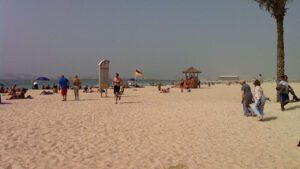
The desert learns patience from you; the forest gives you peace and freedom. The road teaches how to be alive; yet when the beach brings together movement and calmness, where waves break against a tract of sand, there is no more powerful place for an individual traveler. In such a place, every wave tells stories, and each new dawn lights up a constellation of fresh possibilities.
After months of traversing parched land, dunes, and forests, my first glimpse of the beach was in Florida. I stepped onto the white sand held under a Florida sunrise; the cold waves beat at my toes, and something in me changed. The ocean did not feel empty. There was always movement, sound and change.
Beaches are masters of contrast. The coast presents beauty in movement: the ebb and flow, salt spray, the everlasting wayward wind that makes you feel at peace – but harms too. Shells left with the receding tide, seabirds return to their nests at twilight sky and calm spreads far in Laguna Beach, California.
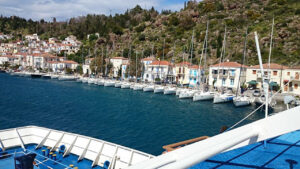
I hiked from cliffs overlooking turquoise coves to hidden coves where sea turtles had nested during the night. I learned to walk softly, stepping over sea glass and listening instead to the sound of waves breaking on stone walls. The golden light there is still like a painting in the process. The hues change.
The beach mood alters every hour on the Gulf Coast. Further south, I found Siesta Beach. At midday, the coastal atmosphere was all about relaxation. Residents took turns breathing between swells, children chased waves, and fishermen threw out their lines at dawn from piers.
I walked miles barefoot, looking for clasps and cast aside designs, recognizing the shore as both retreat and performance stage for human lives. Crossing oceans, I took up residence at seacoast ports in Panama City Beach, Florida, and trotted out towards pastel skies in early morning. That spread of water to the end of the distance on my return trip gave me time for reflection there.

Travel isn’t always from point A to B – sometimes it loops backward like a circle, always back to some principle or throwback memory.
But beaches are not always postcard material. They can be dangerous, sudden currents, changing tides, and storms. Travelers venturing out on their own must respect the sea just as they respect deserts and forests alike.
I’ve blazed trails across mangrove groves after storms, mended equipment that has been soaked with sea spray, and learned to interpret tide charts as I once learned to interpret dunes in Cholistan. A peaceful evening can turn ugly in minutes.
There’s culture on the shore, too. For example, in fishing villages, people coordinate their day with the rhythm of the ocean. In Myanmar, I enjoyed the taste of crab grilled fresh from the water while fishermen who navigated reefs by stars off Asia’s coast related their adventures.
On the European coastline, I watched young surfers outrun freedom by chasing waves as though they were shackles. The end of land commences: clans of fishermen, barefoot pilgrims walking towards dawn with salt-crusted lips, roamers who make camp between the local dunes – all with sea salt on their tongues and solitude in their hearts.
Beaching it alone calls for certain measures of restraint. For instance, after a long walk comes midday swims, and then at sunset, semi-fleeing back into the cleft. But do not stopover at luxury beach resorts: the real lesson lies in secluded beaches, sheltered coves, silent piers, and tides before your eyes.
To travel shorelines alone means above all realization: water is the sculptor of land, but also human beings. The beach is where you take refuge from life’s fury to let things settle down.
Shooting beach life mindfully is more than just taking pictures. It’s about waiting: for the light to change, for waves to lie down and be still, for sea creatures to emerge again after stormy weather. It’s about laying the camera aside and tasting the salt in your nostrils. At the beachside, let your skin entertain that taste memory.
It is a place that reminds you with every wave’s approach, every departure – that all endings herald the resurgence of life. The starting point you leave behind when you next travel is very often found in those grains of sand.
What Solo Travel Changed for Me
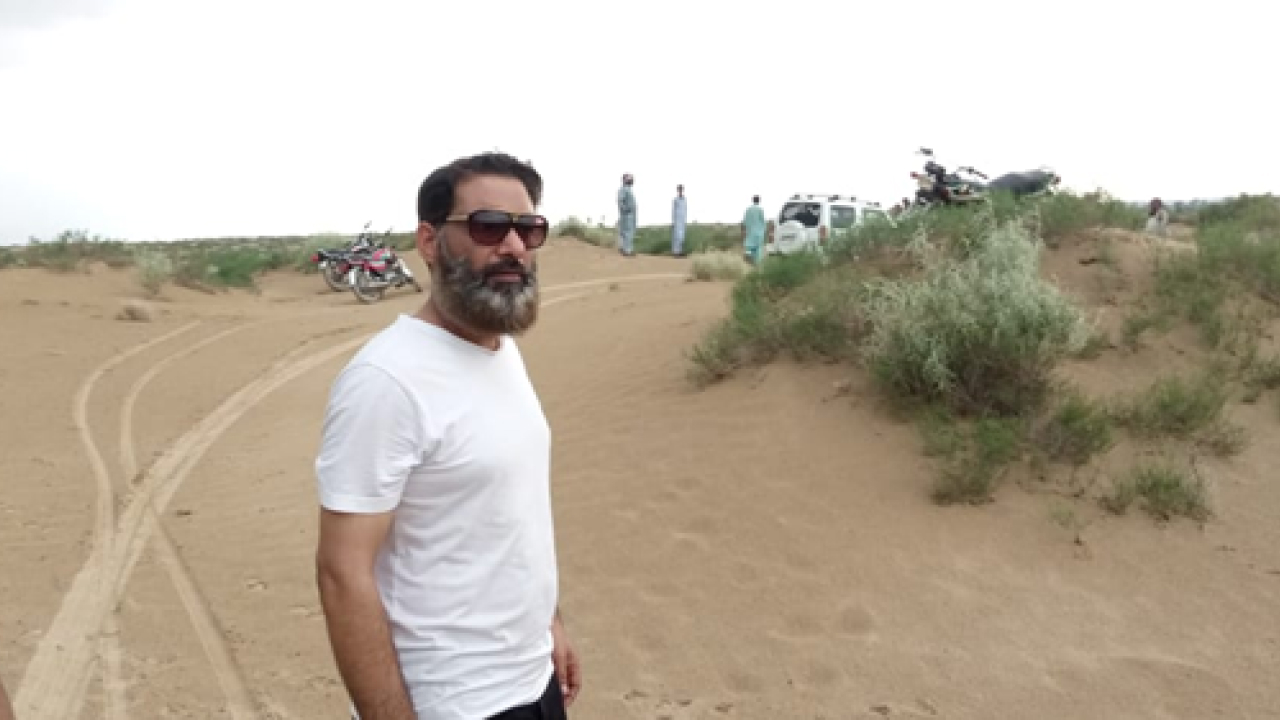
Travelling alone repeatedly put me in situations where the familiar disappeared and I had to make smaller decisions for myself: where to stop, whom to trust, when to continue and when to turn back. It is just then, whether standing at the brink of a desert dune or looking out over a foggy Canadian lake, that you realize what solo travel truly means.
In every place I find-whether the Arabian desert or the icy silence of a European alpine forest-whispered to me a single truth. Travelling alone did not reveal some hidden, perfect version of me. It made my habits and limits harder to ignore. That was more useful.
Being alone can sharpen attention. Without constant conversation, I noticed details I might otherwise have missed: how people moved through a market, the sound of a road at night, the change in weather before rain, or simply how long a place remained quiet.
Before a desert rain, you sense how the wind alters, in the dust of an ancient path, you taste that very grit, silence itself is not void; it has meaning.
I once watched a lone shepherd lead his camels beneath a limitless sky in Cholistan Desert, Pakistan. His life was hard – but his eyes spoke peace. He didn’t seek out points of arrival: he lived in one. And that, I realized, is the nature of exploration. To travel does not mean always on the move – it means seeing deeply.
In the forests of Canada, surrounded by towering pines and the gentle rhythm of snow falling, I discovered yet another lesson. Adventure is not always noisy. Sometimes it’s discovered in quiet moments – when you sit next to a fire looking at the embers drifting out into the night, thinking about how it isn’t necessary to conquer the world; understanding the world is enough.
Europe’s landscapes, from the lavender fields of Provence to the wild cliffs of Ireland, carry stories woven in over centuries. Each cobblestone street, all those wind-beaten castles are testimonials to humanity’s ever-present quest to seek beyond the next hill, sea, or sunrise.
It’s in that urge that lies the spirit of the modern explorer – not a tourist chasing selfies, but a seeker chasing meaning. A person who steps outside his comfort zone to feel alive.
And because travel is a muscle:
The more you use it, the stronger it grows. In time, you’ll be standing at the very edge of where comfort ends and your story begins.
Adventure is not rash. It is respectful. It is to find beauty in randomness; to cultivate poetry through poverty; to go up against the limits and say, ‘I want to understand what there is beyond!’.
So if you’ve ever heard the call – or felt it in your chest – that little whisper that says go – follow it! There’s no need to have things completely worked out. Just set out. A weekend road trip. On a train through a new province. Something as simple as sleeping under the stars.
The desert will knock some of the wind out of your sails. Yet the forest is healing. The mountain trains you to endure the cold – and the ocean will show your spirit infinity. How great, how endless – you truly are. So pack light. Slow the pace. Let your curiosity be your compass. The world is waiting, not for the quickest traveler, but for whoever is most alive.
As you go, remember this:
The map is only a starting point. The real journey takes place within yourself – and solo travel is the path that leads there.