YOU'RE READING · WU PRIORITY INVESTIGATION · MOUNTAIN & ADVENTURE / K2
K2 Summit Expeditions: History, Attempts, Records & Evidence
A source-led investigation of K2 expedition history: the milestones that changed the mountain, repeated errors in summit lists, the meaning of turnaround decisions, and what modern expedition systems can—and cannot—tell us about risk.
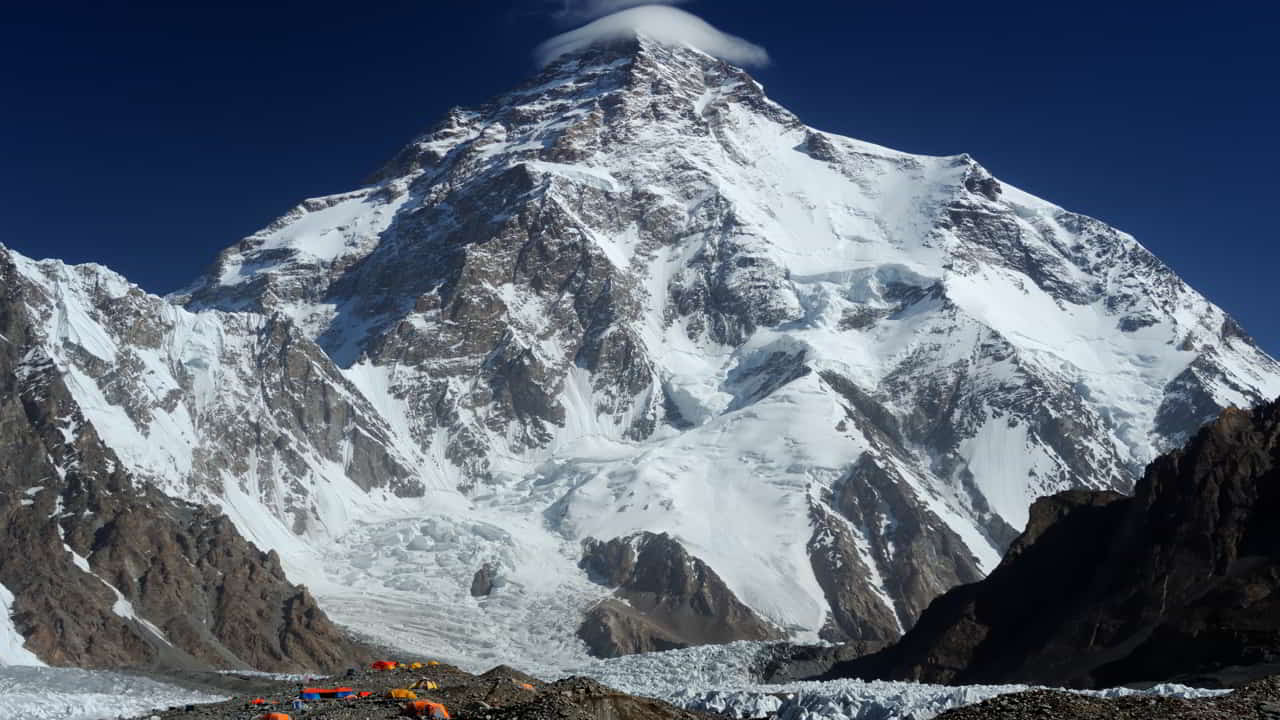
K2 · KARAKORAM · WU ARCHIVE IMAGE
01 · INVESTIGATION BRIEF
Correct the record before interpreting it.
K2 history is often reduced to a list of summits and deaths. This investigation checks the chronology first, separates reconnaissance from summit success, distinguishes turnaround from failure, and treats modern season totals as evidence only when the denominator and source are clear.
What does the K2 expedition record actually show?
The strongest pattern is not that K2 became easy. Expedition systems changed: route fixing, weather forecasting, communications, oxygen logistics and experienced high-altitude workers can reduce some uncertainties. The mountain still combines technical terrain, severe altitude, unstable weather, objective hazards, limited rescue and a consequential descent.
Which milestones materially changed K2 history?
Houston's 1938 reconnaissance demonstrated the viability of the Abruzzi route; the 1953 team abandoned its summit bid for a rescue attempt; Compagnoni and Lacedelli made the first ascent in 1954; the Japanese second ascent in 1977 included Ashraf Aman, the first Pakistani summiter; the 1978 American ascent opened a new chapter in route style; Wanda Rutkiewicz became the first woman to summit K2 in 1986; the 2008 Bottleneck disaster exposed the interaction between serac hazard, fixed lines and descent; Kaltenbrunner completed all 14 without supplementary oxygen in 2011; and 10 Nepali climbers made the first winter ascent together in 2021.
What changes the interpretation?
Route, era, expedition size, supplementary oxygen, fixed-line support, weather, acclimatisation, worker exposure and the denominator used for risk all change what a statistic means. A high-volume commercial season can show that access and logistics changed without proving that K2 itself became predictable or low-risk.
What the record supports—and where it stops.
A concise conclusion, the evidence supporting it, and the uncertainty that remains.
Modern expedition infrastructure has made K2 more organised to climb, but historical summit and death totals alone cannot establish an individual's present risk.
American Alpine Journal expedition records, recognised record sources and contemporary reporting show major changes in route knowledge, logistics, oxygen use, fixed-line support and participation. They also show that summit counts, deaths and attempts are recorded with different denominators across eras.
Historical records are incomplete and recent season totals can differ between archives, operators and journalists. Risk cannot be reduced to deaths divided by summiters because route, exposure, climber population, support style and time period are not equivalent.
PLACE · DATE · SOURCEA photograph can show terrain—not current conditions.
Archive images help explain scale, steepness and route character. They cannot establish today's snow, serac stability, rope condition, weather or crowding. Those require dated operational records.
A photograph can document visible conditions. It cannot establish cause, trend or risk without supporting records.
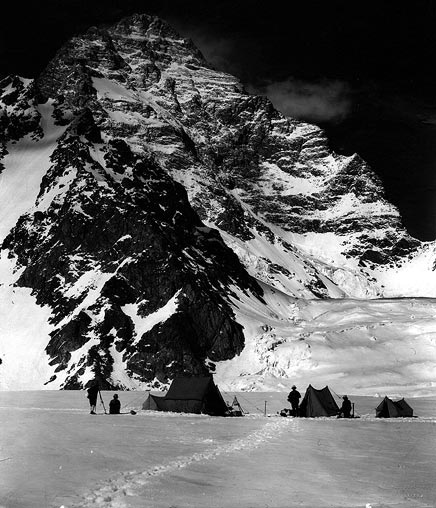
1909 reconnaissance
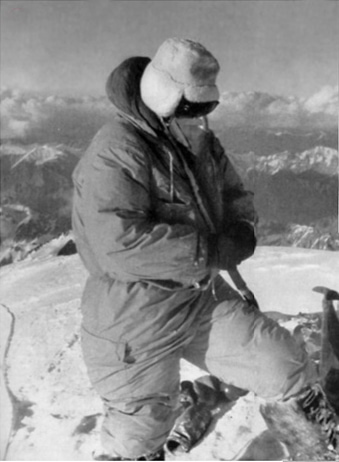
1954 summit
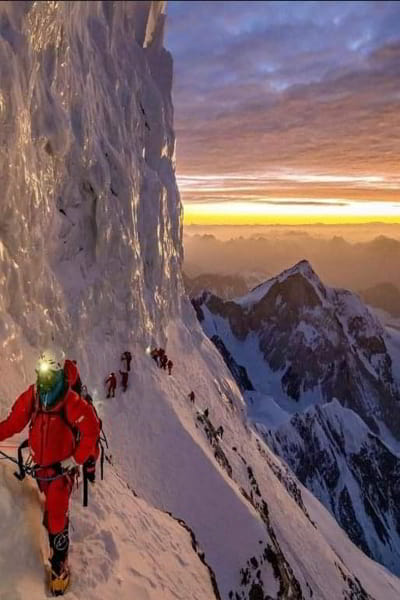
The Bottleneck
EXPERT / EVIDENCE INTERPRETATION
What the record supports. And where it stops.
The record supports a conditional conclusion: better logistics and shared expedition infrastructure can improve access, communication and decision support, but K2's technical terrain, altitude, weather, objective hazards and limited rescue remain. A turnaround can be evidence of sound judgement rather than failure, and no single historic fatality ratio should be presented as an individual's current probability of death.
Co-Founder and Sports & Adventure Contributor at WorldsUltimate. Usman Maqsood contributes to articles covering adventure sports, mountaineering, motocross, gymnastics and travel. Professionally trained in fashion design, he has more than ten years of reported experience in the fashion industry and is based in the Middle East.
Specialist or editorial review is limited to what is actually checked and documented on the published article.
Keep the investigation correctable.
American Alpine Journal · K2, 1938 ↗
Primary expedition account of Charles Houston's 1938 reconnaissance and Abruzzi Ridge progress.
American Alpine Journal · K2, 1977 ↗
Record of the Japanese second ascent, including Ashraf Aman as the first Pakistani K2 summiter.
American Alpine Journal · K2, 1978 ↗
Record of the American third ascent and oxygen-free rope-team milestone.
American Alpine Journal · Pakistan 2008 ↗
Season overview covering attempts, summits and the 2008 K2 disaster.
Guinness World Records · First winter ascent of K2 ↗
Recognises the 10-person Nepali team that summited together on 16 January 2021.
National Geographic · Gerlinde Kaltenbrunner, 2011 ↗
Contemporary account of Kaltenbrunner's K2 ascent and completion of all 14 without supplementary oxygen.
READER SIGNAL
Did this investigation answer the question?
ADD YOUR EVIDENCE
Your record can add missing context.
Include the place, date, what happened and a source editors can inspect. Submissions are moderated and do not automatically change the conclusion.
Audience submission · Add your evidence
Submit documented evidence
Your evidence enters a private moderation inbox. Automated spam and duplicate checks run first; a WU editor must then verify and approve it before it can appear publicly.