Winters are charming, and the trips of winter are special in their own terms due to a number of factors. This feeling is easy to love while it’s hard to describe in words. Just right in the middle of the excitement, the question commonly raised is about skiing vs snowboarding and which one should be the first choice. Most of the people on the slopes seem to hold a strong opinion, which is usually shaped by the first sport they have experienced.
Seeing it from a distance, both activities look similar, yet they offer very different experiences once you are actually moving on the snow. There are some people who try to learn from the basics of skiing very quickly, whereas some try to find their comfort in the smooth rhythm of a snowboard.
Table of Contents
This blog breaks down those differences in snow skiing vs snowboarding, helping you see which one matches your style before stepping onto the mountain.
Overview of Skiing vs. Snowboarding
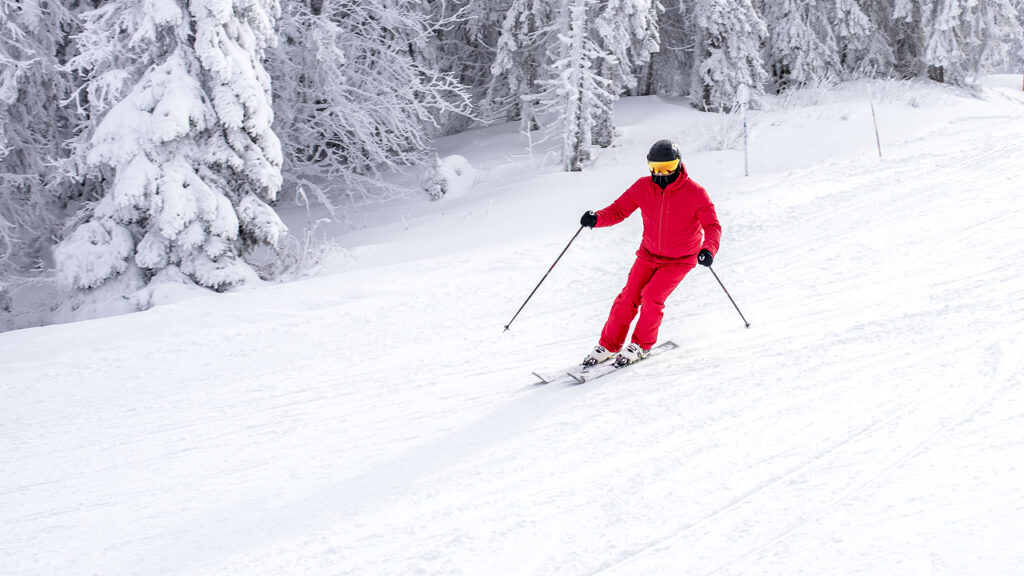
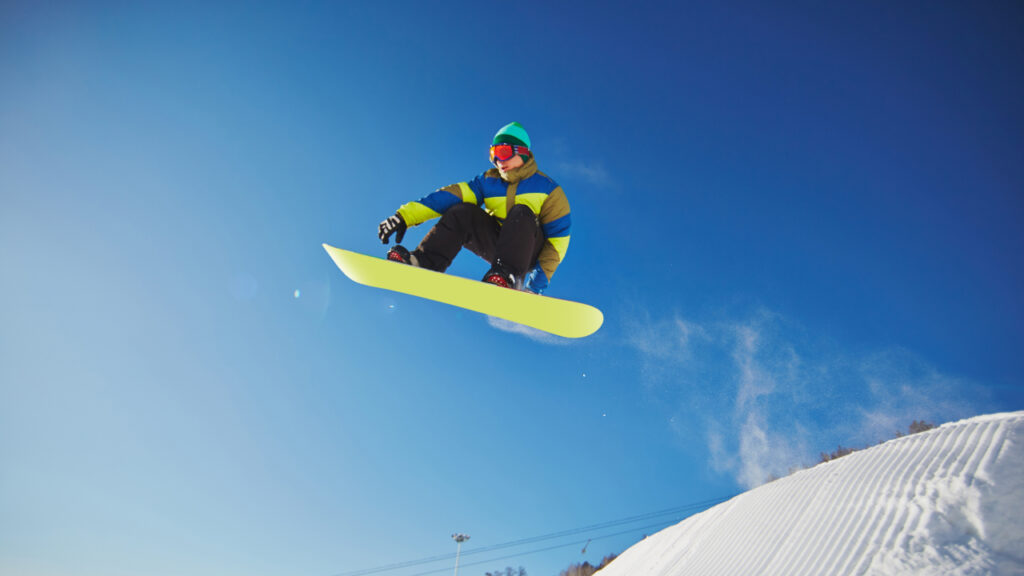
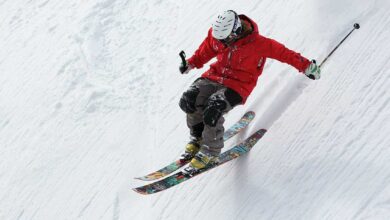
Apparently, seeing it for the first time, it may seem like similar sports as both involve sliding down the snowy slopes. But looking at it from a close view, skiing gives you two separate planks, one on each foot, and the poles are for maintaining balance. Snowboarding puts both feet onto one board, facing sideways.
Skiing tends to be described as a bit more “traditional,” often linked with family holidays and alpine resorts. More of that freestyle, culture-driven, modern vibe, which started booming in the 1980s, is carried by snowboarding.
As per The Ski Gathering, skiing is generally seen as more versatile across terrains. However, snowboarding often attracts people who are much into creativity in movement and tricks. Meanwhile, sites like SnowSkool report that both sports have similar long-term difficulty levels. They just challenge learners in different ways.
Learning Curve – Which Is Easier to Start?
This is probably the most common debate online. Even on Reddit threads, people argue endlessly about which one is easier to learn as a beginner.
Skiing as a Beginner
Most instructors agree that skiing feels more “natural” early on. Your body faces forward, which is something we’re used to, and having two separate skis gives a sense of stability. Stopping, turning, and keeping your balance usually come quickly.
Snow travel bloggers like The Travel Hack say that skiing gives beginners more immediate control and fewer big wipeouts in the first few days.
Read More: 15 Best Ski Resorts in Europe for Skiing Enthusiasts
Snowboarding as a Beginner
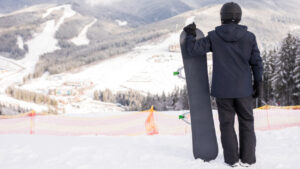
Snowboarding, on the other hand, tends to have a steeper learning curve. You fall more. You spend more time sitting on the snow adjusting your bindings. And in the beginning, even standing up on a slope feels like a workout.
However, and this is important, snowboarders usually progress faster after those first 2 to 3 days. Once you get the basics, linking turns and riding longer runs becomes smoother. Even many instructors on Quora point out this pattern. Difficult first days, but quicker advancement later.
Physical Demands – Balance, Strength, and Flexibility
Skiing
Skiing relies more on leg strength and the independent movement of each leg. Since both legs operate separately, the sport uses more small stabilizing muscles. Poles also help with balance, which is why many people feel more secure on skis. It’s also more demanding on the knees due to the way you turn by using the edges individually.
Snowboarding
Snowboarding demands core strength and a strong sense of “centered” balance since both feet are fixed to the same board. Shoulder rotation, core stability, and hip flexibility matter a lot. Some snowboarders say the sport is less tiring on the legs, especially beginners who ride mostly on flatter terrains. The National Outdoor Leadership School (NOLS) highlights snowboarding as a full-body balancing sport requiring upper and lower body symmetry.
Speed and Control – Mastering the Mountain
People often assume skiing is faster, and that’s actually true. According to Business Insider, expert skiers hit significantly higher speeds compared to snowboarders.
Skiing Control
Skiers have a natural advantage in terms of control, especially on steep slopes. Being able to move each leg independently allows for precise carving and fast reaction times.
Snowboarding Control
Snowboarders control the board using toe and heel edges, which feels intuitive after learning but is trickier at the start. The sideways stance means beginners often struggle with blind spots, something skiers don’t deal with. Though after gaining skill, snowboarders carve beautifully and flow in a smooth, rhythmic motion across the snow.
Terrain Adaptability – Which Is More Versatile?
Skiing
Skiing handles all kinds of terrain better. Narrow trails, moguls, icy slopes, and long flat sections are easier because skiers can move each leg separately and use poles.
Snowboarding
Snowboarders sometimes struggle in flat areas. They slow down faster and may have to “unstrap” one foot to push themselves along. On powder, though, snowboarders float thanks to a wider surface area underneath the board.
Most adventure sites like Adventure.com mention this difference clearly. Skiing wins versatility overall, but snowboarding dominates in deep powder and park features.
Gear and Setup – Equipment Comparisons
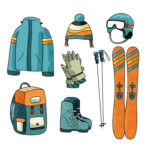
Skiing Gear
- Two skis
- Ski bindings
- Boots (rigid, forward-leaning)
- Poles
- Helmet, goggles, your skiing attire
Ski boots are famous for being uncomfortably stiff, especially when walking. Beginners often complain more about the boots than the sport itself.
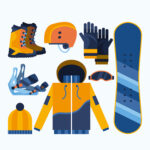
Snowboarding Gear
- One snowboard
- Bindings
- Snowboarding boots (softer and comfier than ski boots)
- Helmet, goggles, clothing
Snowboarding boots are easier to walk in, and carrying one board is simpler than managing two skis and poles. But strapping in at the top of every lift can be annoying for beginners.
Injury Risk – Which Sport Has More Hazards?
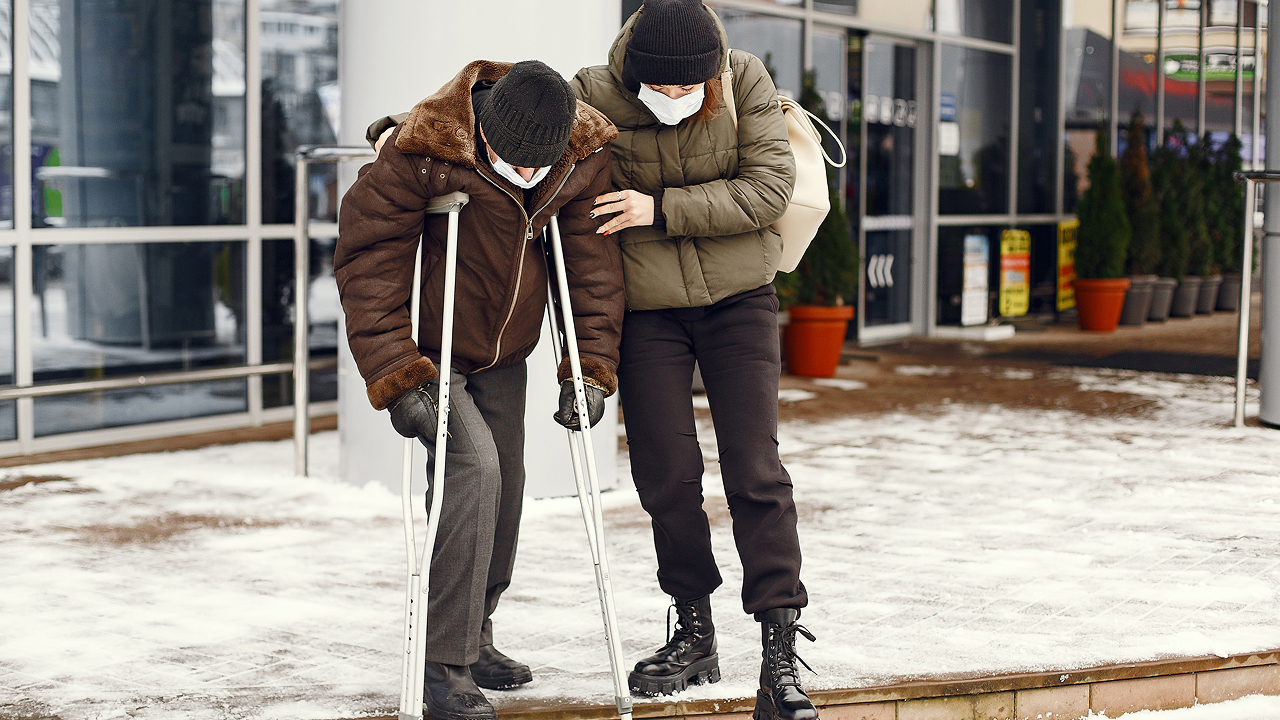
The FHV Law comparative study notes that skiing accidents often involve knees, while snowboarding injuries commonly affect wrists and shoulders.
Common Ski Injuries
- ACL tears
- Knee sprains
- Leg fractures
- Shoulder injuries
Common Snowboard Injuries
- Wrist fractures (very common in early days)
- Tailbone bruises
- Shoulder dislocations
Snowboarding has more falls overall, but skiing injuries can sometimes be more severe due to higher speeds and twisting motions. Both are frequent training injuries that require proper preparation and safety measures.
Cultural Vibe – Skiing vs. Snowboarding
This is where things get fun because both sports have very different vibes.
Ski Culture
Skiing is older and has a kind of classic, alpine, resort-like charm found at many ski resorts. Think:
- Mountain lodges
- Long family traditions
- Elegant technique
A bit more “structured” and conventional
Snowboard Culture
Snowboarding has always felt like the “cool kid” sport. It’s rooted in skateboarding and surfing culture. Very expressive, youthful, and laid-back.
Outside Bozeman even described the two cultures humorously, calling snowboarding the rebellious younger sibling of skiing.
Lifestyle, Freestyle, and Terrain Parks – Which Is Better for Tricks?
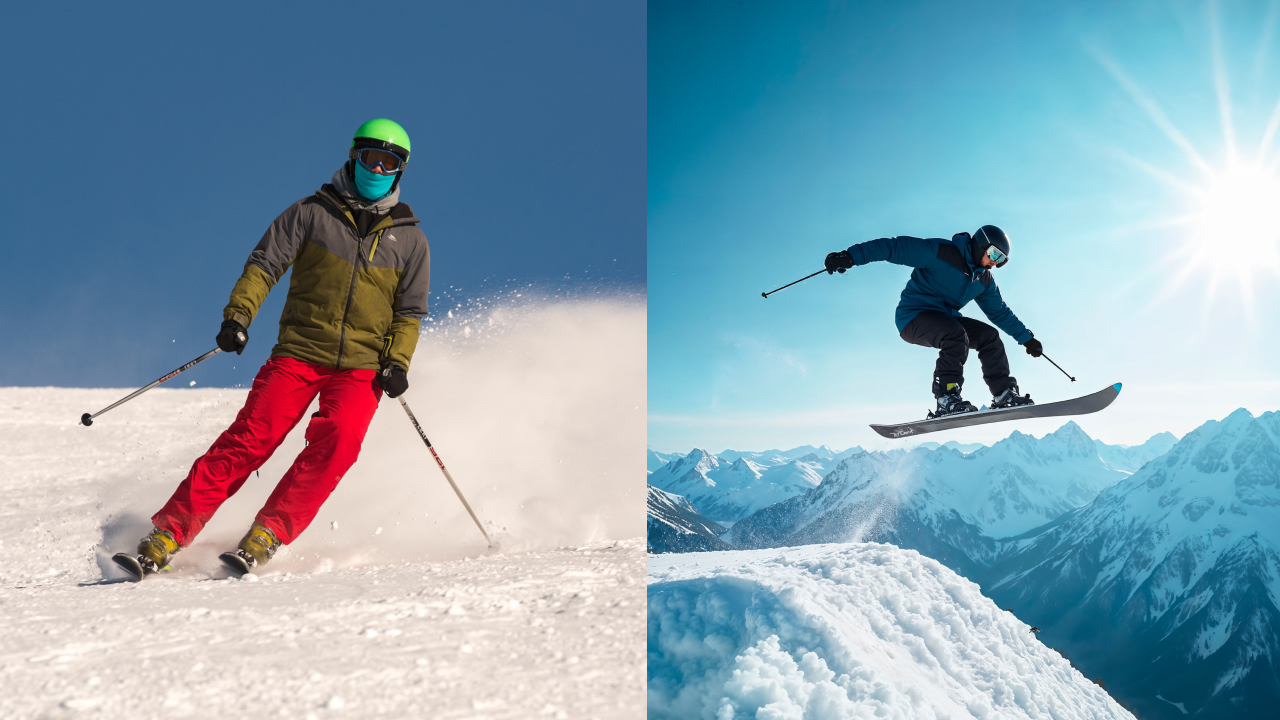
If your goal is to hit jumps, rails, boxes, and halfpipes. You’re entering into a freestyle world.
Snowboarding
Snowboarding dominates freestyle naturally because the sideways stance makes spins, grabs, and tricks feel more fluid. Terrain parks are filled with snowboarders working on stylish jumps. YouTube channels like SnowboardProCamp highlight how accessible park progression is for snowboarders
Skiing
Freestyle skiing is huge, too. Twin-tip skis changed the game. Skiers now do backflips, rail slides, and wild tricks in the X-Games. But if we’re talking about pure “style,” snowboarding still has that surf-like flow many people love.
Cost – Comparing Expenses for Skiing vs. Snowboarding
Generally, both sports fall in the expensive category. Lift tickets, gear rentals, lessons, clothing, travel. The winter sports cost money. According to Neilson, skiing often ends up costing slightly more because:
- Ski boots are more expensive
- Ski maintenance (edges, waxing) can be pricier
- Poles and extra gear add up
Snowboarding gear is a bit simpler, and boots are cheaper. But lift passes, resorts, and lessons usually cost the same.
Conclusion
In the last, none of the two is better than the other. Both of them hold a distinct charm in terms of their challenges, kind of thrill, and fun element in the mountains. Many people often wonder, is it easier to ski or snowboard, and generally skiing is considered to feel a bit easier than snowboarding.
The two depend on the choice you make, as per your comfort and the kind of experience you’re looking for. Both of these sports give you new skills, unforgettable memories, and a number of reasons to keep coming towards the snowy season after season.
You Might Like to Read: