Motocross is a competitive off-road motorcycle sport raced on dirt tracks with turns, ruts, bumps, elevation changes and jumps. Riders need bike control, fitness, line choice and consistency—not simply top speed—to complete laps quickly.
This guide explains how motocross racing works, the bikes and tracks, major competition formats, beginner fundamentals and the injury risks that make the sport demanding.
[toc]
Quick answer: motocross is a form of dirt-bike racing, while related disciplines such as supercross, enduro and freestyle motocross use different courses, formats or judging systems.
What is Motocross?
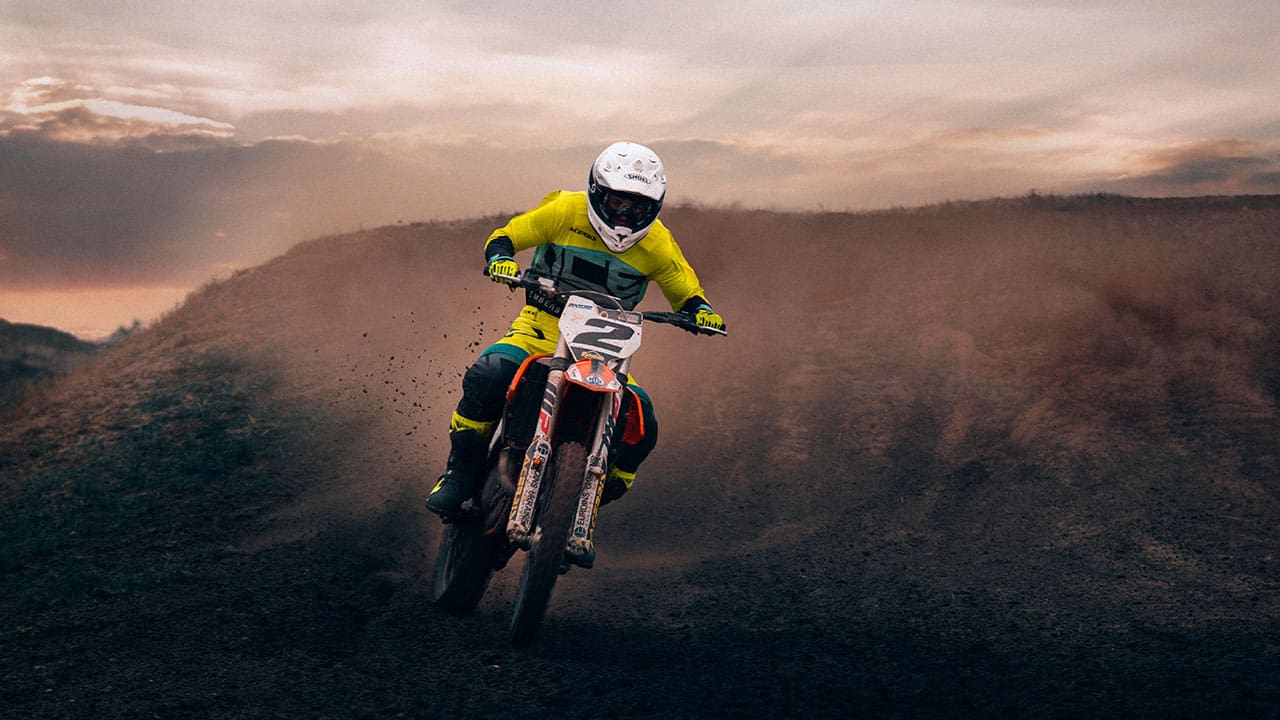
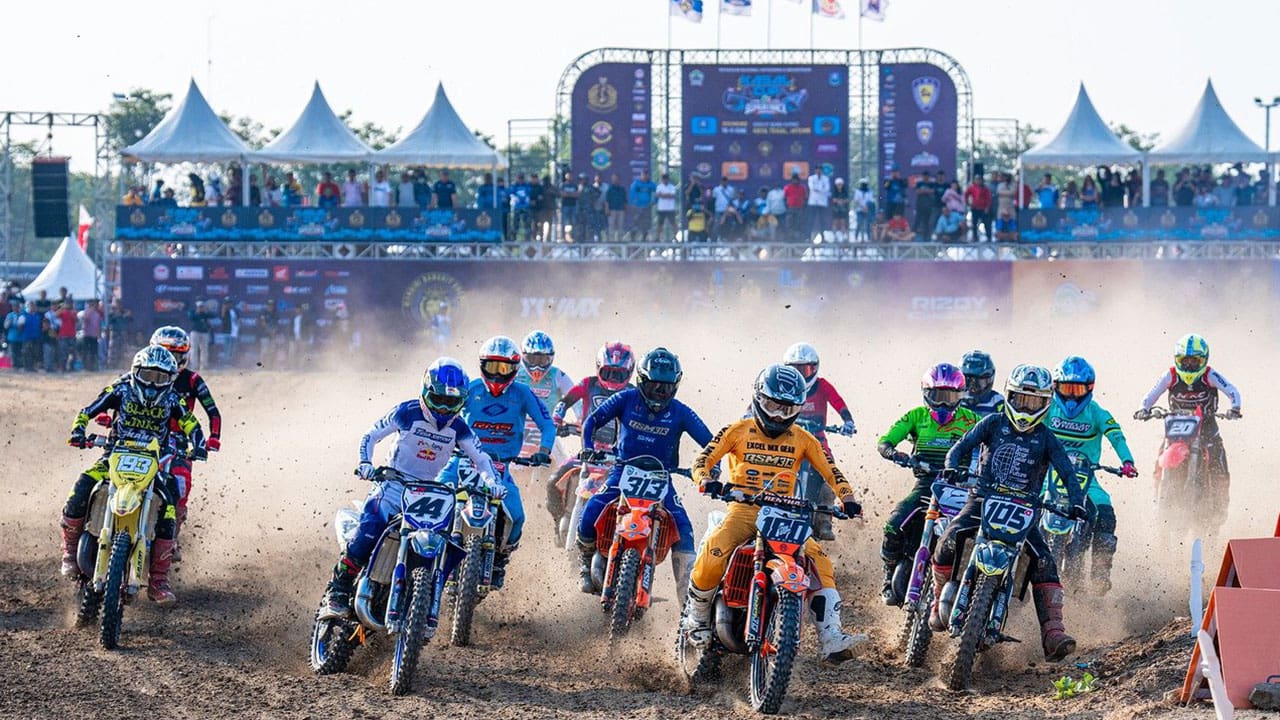
Motocross is off-road motorcycle racing on purpose-built dirt circuits. Riders compete over laps on tracks that combine corners, ruts, elevation changes, bumps and jumps. The motorcycles are designed for low weight, suspension travel, acceleration and control on loose terrain rather than ordinary road use.
Race speed matters, but motocross performance also depends on line choice, braking, throttle control, body position, starts, cornering and managing jumps and changing dirt conditions.
How Dangerous Is Motocross?
Motocross has a genuine injury burden, especially from crashes, jumps and high-energy impacts, but the evidence does not support calling it the single most dangerous sport in the world. Reviews of off-road motorsport report important head, spinal and extremity injuries, while risk varies by age, competition level, track, protective equipment and exposure.
WU therefore treats motocross as a high-risk specialist sport rather than forcing it into a universal number-one ranking. See the broader Most Dangerous Sports evidence guide for cross-sport comparison, and the published review of motocross and ATV injuries for the evidence base.
How to Do Off-Road Racing?
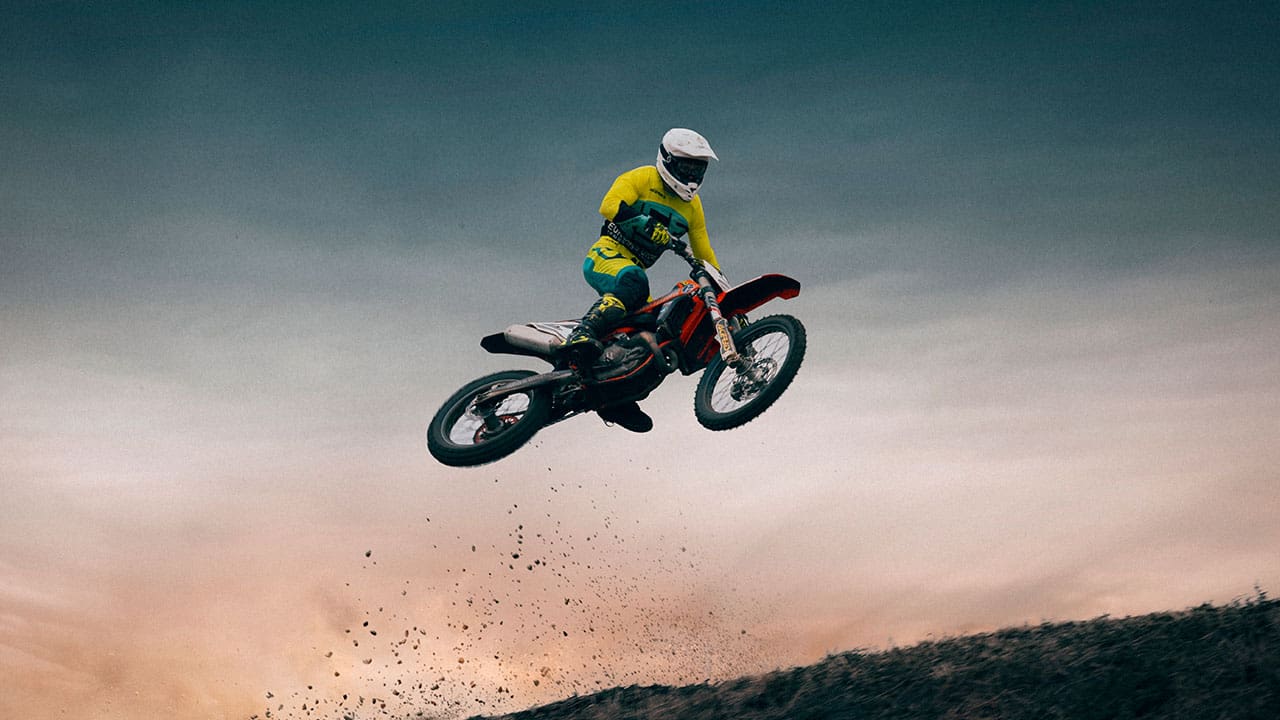
Going into MX racing is an electrifying adventure for you or anyone in your surrounding who is up to it. Therefore, there are a few steps to consider and start the journey to moto-crossing. Here are the steps to start from:
- Get Training: Take a beginner’s course as a part of your training for MX by taking basic knowledge through lessons. Do this to get an exposure to dirt biking techniques and bike control. So, enroll yourself in a training institute.
- Choose Your Gear: Choose safety motocross gear for yourself by equipping them. It requires goggles, helmet, chest protector, boots, gloves, and a neck brace.
- Find a Track: Try to explore a local track at the beginning. Take practice sessions on this track.
- Practice Regularly: As you may have heard, “Practice makes a man perfect“. Same goes here, the more you practice, the more grip you have on this sport. This regularity in practice makes you better at it.
History of Off-Road Motorcycling
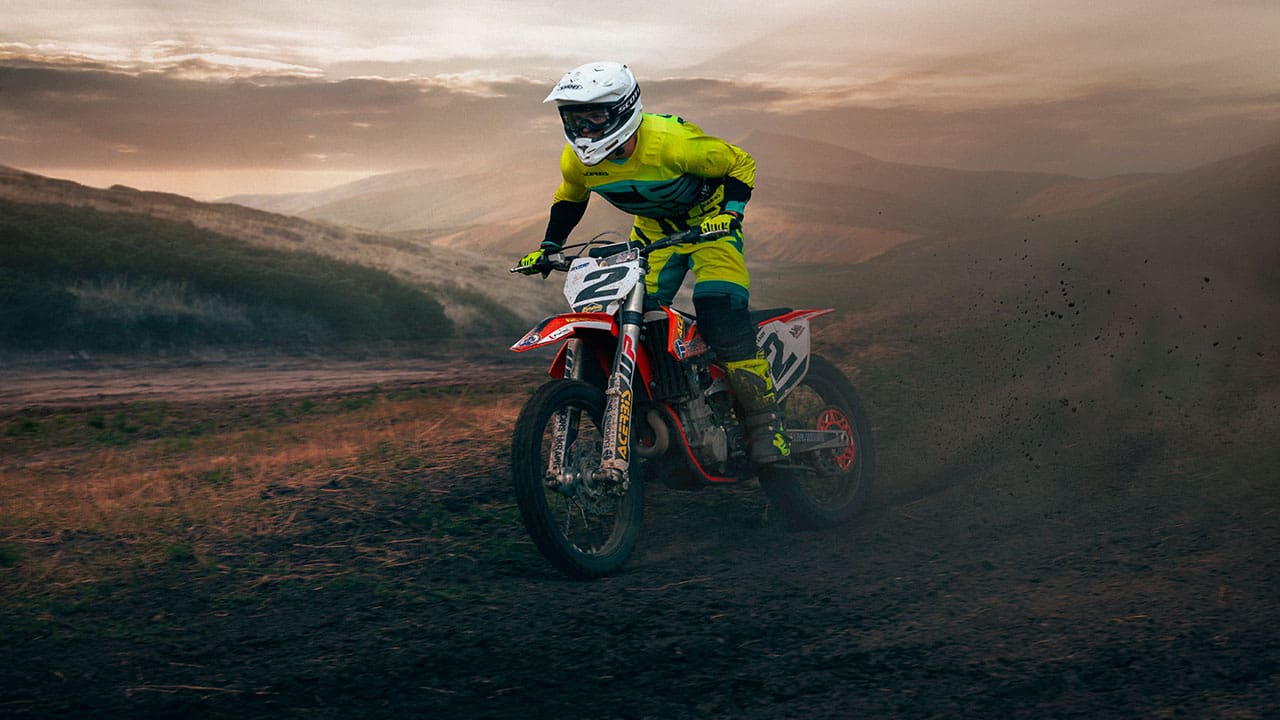
You may find an interesting history about MX racing in the below section:
Origins
The emergence of trail biking started back in the early 20th century in the United Kingdom. This was the point when time trials were host by the Auto-Cycle Clubs, and later on transform into off-road competitions known as ‘scrambles’.
In 1924, the first official scramble took place in Camberley, Surrey. The first dirt bike invention was in 1914 by Siegfried Bettmann, also named as BSA Scrambler.
Growth and Innovation
As the trend of MX racing is growing faster, new competitions and new clubs have been spreading across Britain. The growth of dirt biking is rising due to innovation, which leveled up the difficulty of the tracks, leading towards huge upgradation in bikes.
The industry of motorcycle boomed after World War II, there was a shift accounted from the sides of manufacturers, as they shifted from military production to meet the demands of civilians. Engines start to grow from 50cc to 250cc during the 1950-60, which tends to be perfectly suitable for moto racing.
The Popularity Boom
Moto racing started to gain popularity among the U.S as well in the 1970s. Los Angeles Coliseum was the place for the first stadium of moto-crossing.
Related Pick: What Makes a Sport Extreme?
Innovation in the 80s and 90s
A new wave of technological advancements took place in the 1980s, these advancements came in the form of the water-cooled engines and rear mono-shock suspension. More improvements were noticed in the 1990s, as the manufacturers started paying attention to the environmental standards.
Fitness & Training for Motocross Riders
Motocross isn’t just about handling a bike – it means pushing your body like an athlete. Hours off the track for professional riders are spent building strength, physical endurance, and mental focus to cope with the demands of racing.
Strength
Motocross requires full-body strength. The rider’s core muscles are constantly under tension to stabilize the bike and absorb shocks on rough ground or after jumps. Steering depends on arm and shoulder strength; balance in the attack position takes leg power for support.
Common Exercises
Planks, push-ups, pull-ups, squats, deadlifts, kettlebell swings.
Pro Tip:
Riders often use resistance bands and stability balls to mimic bike movements and build balance.
Stamina & Cardio
The typical race lasts for 30-40 minutes of continuous intensity, requiring endurance similar to that of a marathon. Riders need strong lungs, a good cardiovascular system, and clear focus even when their bodies are subjected to very high G-forces.
Training Methods: Bicycling, running, swimming, and High-Intensity Interval Training (HIIT).
Example: Many pros ride long distances on road bikes to give their legs and lungs stamina.
Reflexes & Coordination
Moments of decision are more important than ever in Motocross. A half-second’s mistake could end in a crash. Riders train their reflexes with exercises like catching balls, light board training, or agility ladders. Balance boards and eye-hand coordination games also see wide use.
Why This Matters: Quick reflexes help riders respond instantly to bumps, ruts, and unexpected obstacles.
Mental Focus
Top riders train their minds just as much as their muscles. Visualization skills, mindfulness exercises, and sports psychology all figure into the programs of great Motocross stars. They often say mental calm beneath chaos is perhaps the difference between winning and crashing.
Practices:
Meditation, guided breathing exercises, and mental imagery of laps before actual races.
Fact:
Structured mental preparation can help riders rehearse lines, starts and race scenarios, but performance effects vary and should not be reduced to one universal percentage.
Moto Racing Equipment
When it comes to riding motocross, gear can be the difference between riding away from a crash and not. Beyond the helmet that everyone knows, professional riders rely on a whole suite of protective gear.
Motocross Motors
Coming to the ferocious gaming sports; MX requires some basic equipment that are its core essentials. Below are the basic and primary types of bikes used for the racing:
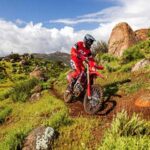
Motocross Bikes:
These bikes are for high-performance racing on the muddy or dirty tracks. Motocross bikes are light in weight with powerful engines.
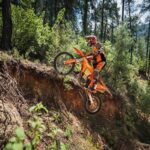
Trail Bikes:
A more versatile style of bike which has a relaxed geometry making it suitable for casual riding as well as off-road trails. These are good options for beginners.
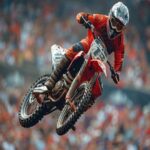
Enduro Bikes:
Enduro bikes have a combination of motocross features in them but with durability. These are for long distance off-road riding on different terrains.
Pit Bikes:
Pit bikes are the smaller ones for fun purposes or practice in the pits. It is a great option for those who want to practice in a more relaxed environment with less wilderness/ thrill. These bikes are also useful for the younger riders.
Motocross Helmets
Helmet is mandatory for your safety when you are about to enter the zone of moto-crossing. Choosing the right option is necessary to keep you safe and sound throughout the racing. The main types of helmets used for it:
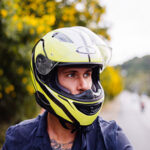
Full Face Helmets:
These helmets provide maximum protection to your entire face and head. The full coverage it offers makes it an ideal choice for dirt biking.

Open Face Helmets:
These helmets fall in the category of casually worn helmets for daily casual rides. The open face helmets offer less coverage with more comfort.
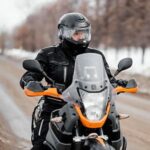
Touring Motorcycle Helmets:
Touring helmets gives you comfort with protection. They serve best in trail riding but might not be a good option for competitive racing.
Protective Gear
Choosing well reputed motors and safety helmets is mandatory but taking care of further protection is crucial. As, the real protection is needed on the track to save your from injuries while racing on rough terrains. Some advanced picks for extra protection are:
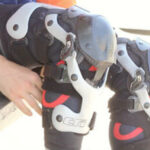
Knee Braces:
The sport of motocross puts terrible strain on the knees. A sudden landing or an awkward turn can tear ligaments, especially the ACL. These are braces to stabilize the joint, restrict extreme movements, and protect against twists. Helmets are usually essential equipment, but pro riders often go further: knee braces.
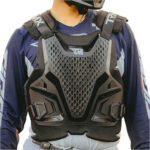
Chest Protectors:
Chest protector shields the rider’s ribcage, lungs, and sternum from blast (flying debris, rocks, and mud) and impact injuries in crashes. Modern protectors are lightweight, vented, and CE-certified for impact resistance.
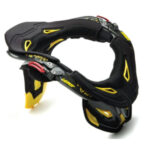
Neck Braces:
High-impact accidents carry the risk of spinal and neck injuries. Neck braces are used by some riders as part of their protective setup, but their effectiveness depends on crash mechanism, fit and design; they should not be presented as eliminating cervical-spine risk. Popular brands like Leatt and Alpinestars have become standard in competitive motocross.
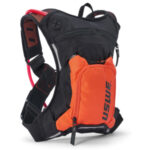
Hydration Packs:
Motocross events often happen under the sun, where dehydration affects reflexes and endurance. Hydration packs let riders sip water without stopping, keeping them alert during long races.
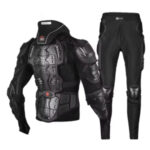
Armored Jackets & Pants:
Riders wear specialized jerseys and pants reinforced with padding at the elbows, shoulders, hips, and thighs. Many come with abrasion-resistant materials and built-in armor plates, adding a critical safety layer while staying lightweight for agility.
Manufacturers
The manufacturing brands comes into two categories:
Major Manufacturers: Honda, Yamaha, Suzuki, KTM, and Kawasaki are the major manufacturers found in the market of off-road racing.
Minor Manufacturers: The minor manufacturers are named as Husqvarna, Beta, and GasGas that produce the range of Moto racing.
Beginner Mistakes to Avoid
A beginner at riding motocross makes errors that may be risky. If you can prevent these, this may save you injuries and disappointments.
Skipping Safety Gear
Some less experienced riders will only wear helmets and boots, forgetting all about the back and chest protectors. This sort of extra safety equipment can keep a rider as safe as the bike in case they hit something sharp. The safety gear would protect you from broken ribs, wrist fractures, and ligament tears, and it is never easy to recover from any injury like that.
Overestimating Skills
Newcomers sometimes head straight for professional-level tracks, which is dangerous. But if you start intelligently on beginner-friendly terrain and gradually work up, then both your confidence and skill will hang on an upward trend.
Poor Bike Maintenance
Not checking tire pressure, brake pads, chain tension, or suspension before you start riding is just a beginner’s mistake. Proper maintenance supports predictable handling and reduces avoidable mechanical problems, but it cannot eliminate crash risk.
Wrong Posture
Sitting too much behind the bars or tightly seizing them will only tire you out and make bike control worse. Instead, choose a fighting stance: stand slightly, elbows away from body, knees bent and leaning forward.
Not Warming Up
Cold muscles are more susceptible to pulls. Riders should always do light stretching and perform light exercise (jumping jacks, jogging, dynamic stretches) before getting on the bike.
Major Motocross Competitions
Major motocross competition includes the FIM Motocross World Championship (MXGP), the AMA Pro Motocross Championship in the United States, the team-based Motocross of Nations, and national championships in countries with established racing programmes. Event calendars, classes and champions change each season, so this guide focuses on the competition structure rather than time-sensitive winner lists.
Sports Derived from MX Racing
Various sports have been derived from the off-road motorcycling game, including:
Supercross
This sport has smaller indoor tracks with technical bumps and curves. It is highly popular among the population of the U.S who are seeking to enjoy night time racing.
Freestyle
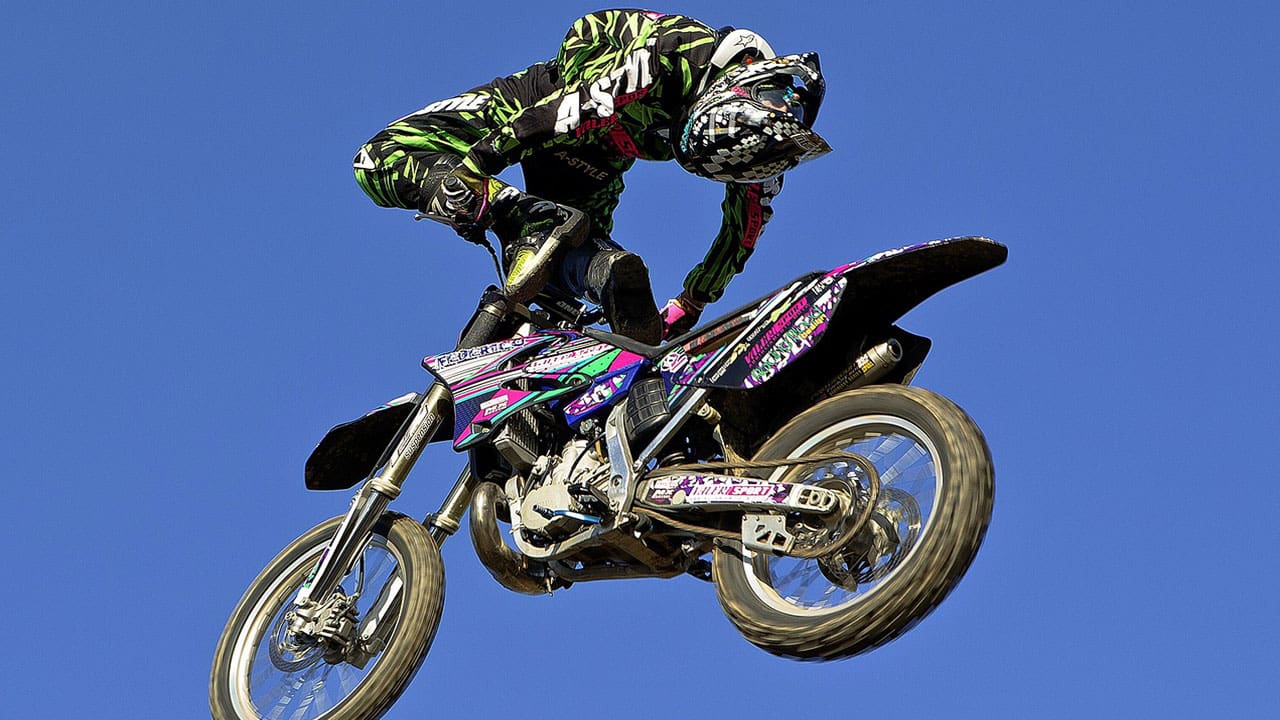
The riders or racers perform the sky-high stunts on their bikes. It is a kind of sport which focuses on aerial feats or stunts.
SuperMoto
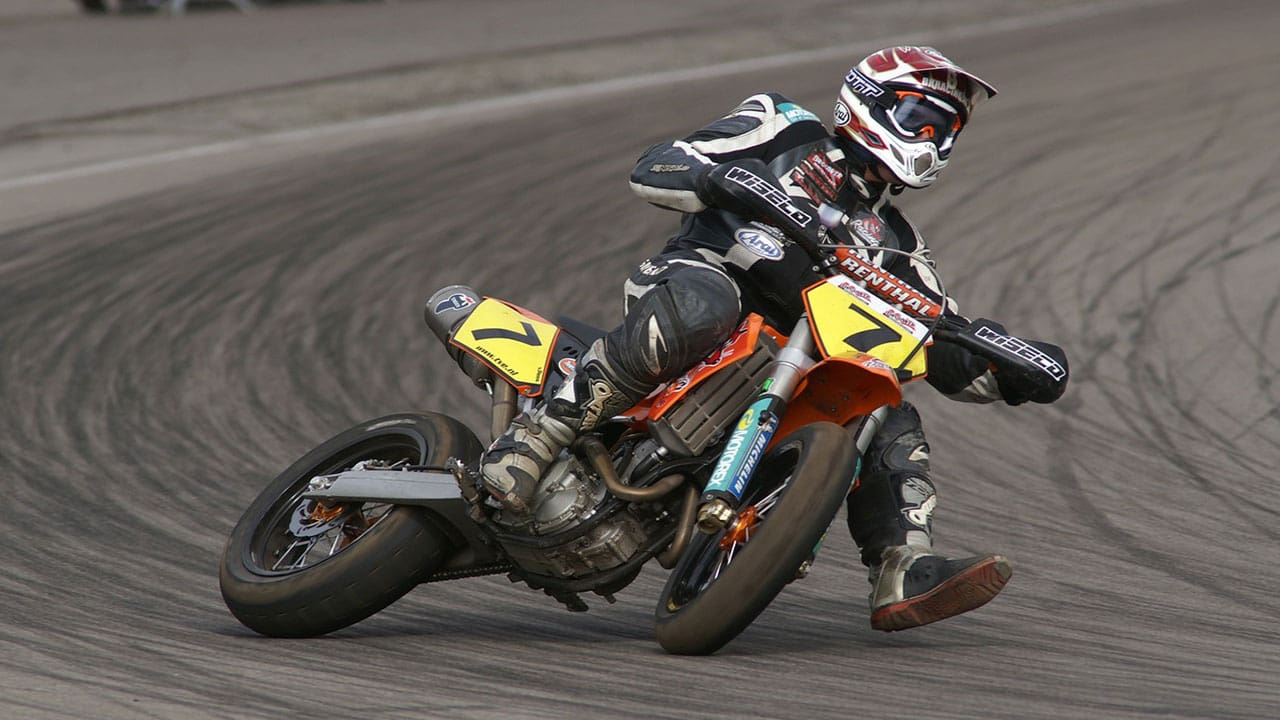
It is a sport which consists of mixed surfaces having pavement and dirt in the field of racing. SuperMoto is a combination of dirt and street racing elements.
ATV/Quad
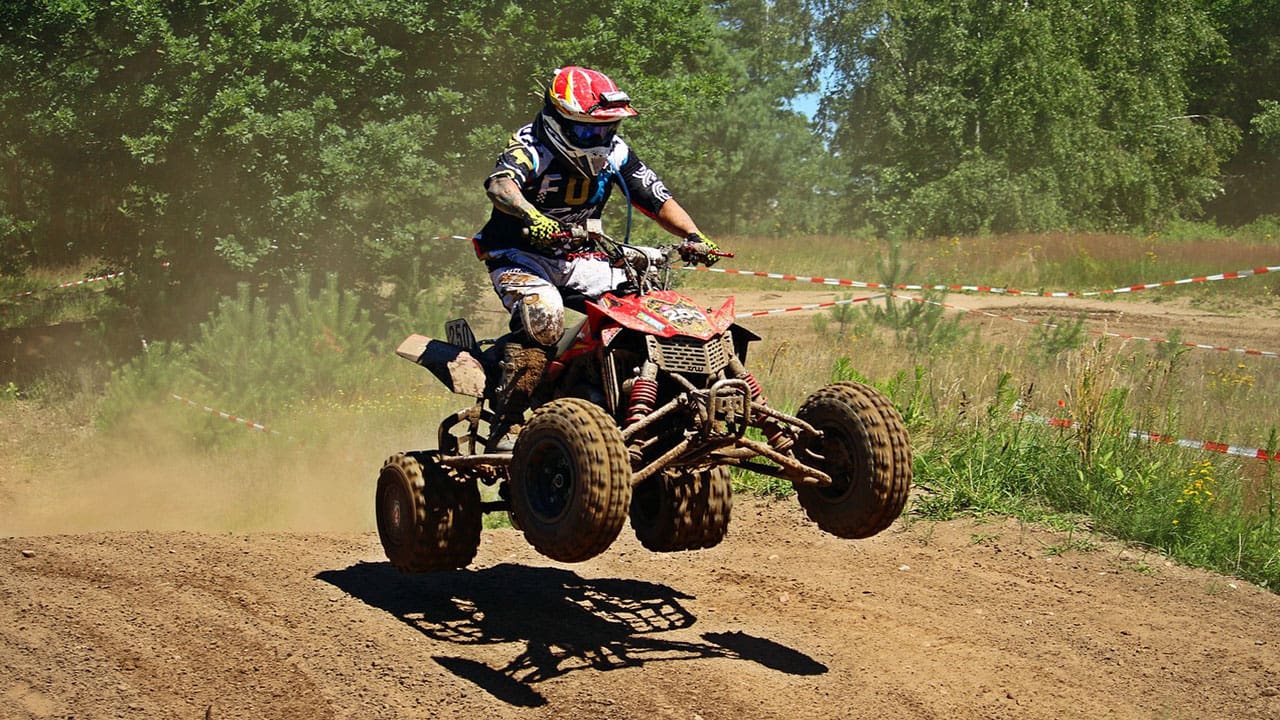
The type of sports which features all sorts of terrain vehicles rather than motorcycles. It gives you a different experience and challenge.
Sidecarcross
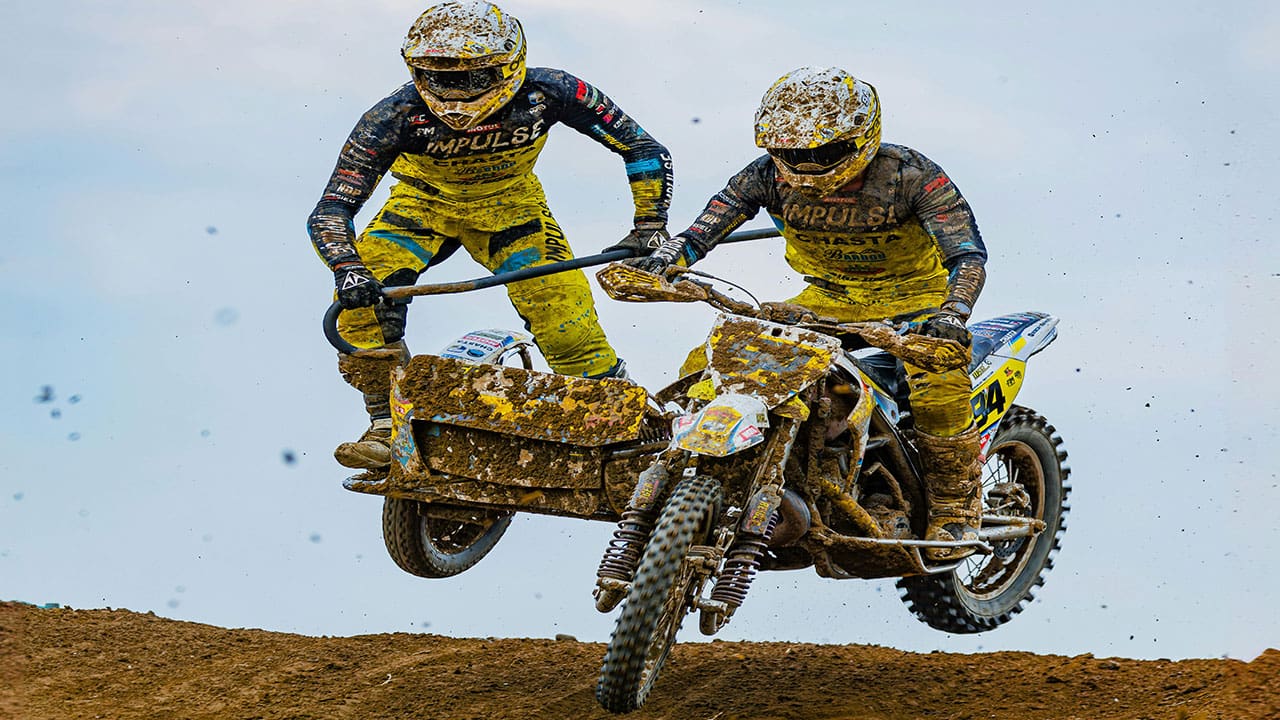
The sidecarcross as the name suggests that it has a motorcycle with a side-car on the muddy tracks. This sport adds a pinch of twist in the regular and traditional trends of moto-crossing.
6 of the Most Common Sports Injuries
Extreme sports consist of some of the life-threatening activities and have a high risk of common sports injuries.
Pit Bikes and Mini-Motocross
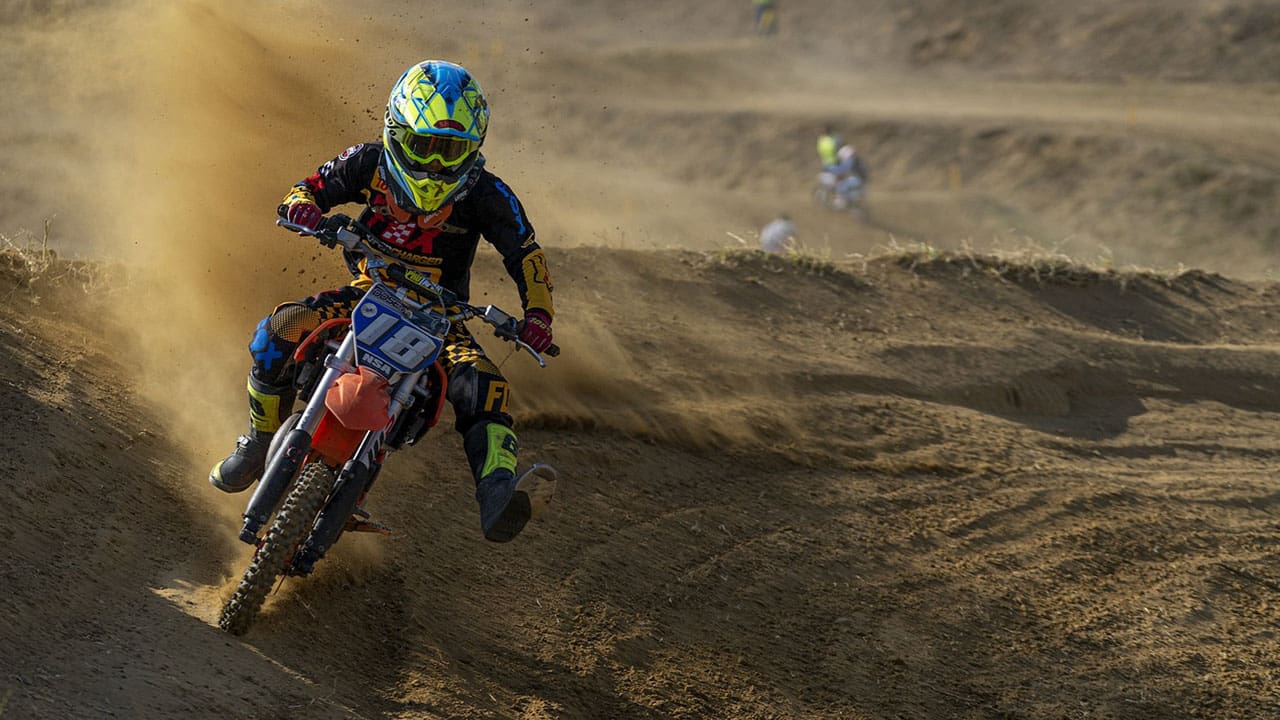
These competitions are held at a smaller level for the kids and beginners by providing them a less intimidating environment and adding a hue of fun.
FAQs
Motocross can be safe for beginners as long as it’s approached correctly. Start with smaller bikes, and always wear full protective gear on beginner-friendly tracks. Training with a qualified instructor significantly reduces risks.
Motocross races on natural terrain and dirt trails with long laps and broad jumps differentiate it from Supercross. Supercross is simply the same sport except it occurs in stadiums on natural tracks. The turns are tighter, whoops are more technical, and jumps are at a higher frequency.
Depending upon the brand, engine size, and features, a new motocross bike goes for $6,000-$12,000. Trail bikes for entry-level users may be cheaper. Competition-ready machines and electric MX bikes may be even more expensive.
Yes, now electric dirt bikes like Stark VARG and KTM’s Freeride E-XC can be seen competing on the track. They offer strong performance, instant torque, and eco-friendly operation. While still new to the motocross scene, many think electric bikes are the future of motocross.
Conclusion
Motocross is more than simply sheer speed – it’s about determination and the courage to face the unknown. From the thundering roar of engines to the exhilaration of clearing a jump, this sport demands every ounce of skill and determination.
So if you dream of riding MXGP or just want a weekend kick with some mates down the track, the dirt track with always welcome you.
So, gear up, ride safe, respect the terrain, and let the mud tell your story.