What is an electric motocross bike? It is an off-road motorcycle that replaces the petrol engine with a battery and electric motor. The main differences riders notice are immediate torque, no conventional clutch or gearbox on many models, much lower riding noise and less engine-related maintenance. The main trade-offs are battery duration, charging logistics, purchase price and model availability.
For riders comparing electric with conventional motocross bikes, the important question is no longer whether an electric bike can be fast enough. Current machines can deliver race-level performance. The harder question is whether their battery, charging setup and riding format fit the way you actually use a bike.
[toc]
Electric Motocross Bikes at a Glance
| Factor | Electric motocross | What it means |
|---|---|---|
| Power delivery | Immediate electric torque | Strong response without waiting for engine revs to build |
| Transmission | Often no conventional clutch or multi-speed gearbox | Fewer controls to manage, though designs vary |
| Noise | Much quieter than combustion motocross bikes | Useful where noise limits practice time or location |
| Maintenance | No engine oil changes, spark plugs or exhaust system | Chain, brakes, suspension, tyres, cooling and drivetrain still need attention |
| Range / ride time | Highly dependent on model, pace and terrain | Hard motocross riding consumes energy much faster than gentle trail riding |
| Charging | Usually measured in hours rather than minutes | Power supply at the track can matter as much as battery capacity |
How Far Can an Electric Motocross Bike Go?
There is no useful single mileage figure for an electric motocross bike. Motocross is unusually demanding because repeated hard acceleration, deep soil, jumps and high speeds draw energy much faster than easy trail riding. Manufacturers therefore often quote ride time or race-duration capability rather than road-style mileage.
As a current benchmark, Stark says the VARG MX can complete a full motocross race and can deliver up to several hours of technical trail riding under less intensive conditions. KTM quotes roughly two to three hours of typical enduro-style riding for its latest FREERIDE E. Those figures are not directly interchangeable: they describe different bikes, terrain and test conditions.
Practical rule: if your main use is motocross, judge a bike by whether it can complete your normal moto sessions with enough reserve—not by a headline road-range number.
Charging: The Part That Changes Your Riding Day
Charging time depends on the bike, charger and available electrical supply. Stark lists about two hours on a suitable 240 V supply for the current VARG MX, while lower-power outlets can take longer. This is why track-day planning matters: a rider who can charge between motos has a very different experience from someone riding at a remote area with no practical power source.
Before buying, check three things together: battery capacity, realistic hard-riding duration and the charger’s actual input requirements. A large battery is less useful if your normal riding area cannot support the charger.
Performance: Torque, Handling and Control
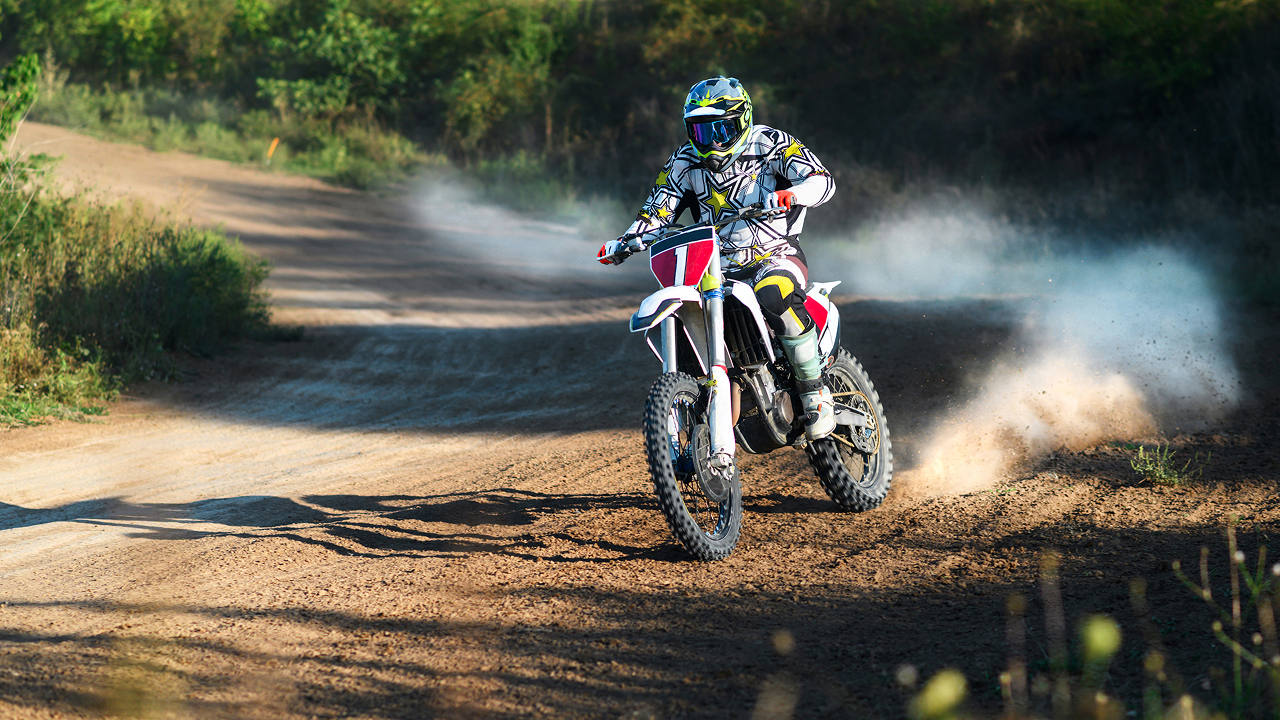
Electric motors can deliver strong torque immediately, which changes corner exits and low-speed control. Many electric bikes also let riders alter power delivery and regenerative braking electronically. That adjustability can make one bike feel very different between a beginner setting and a full-power race setting.
Electric does not automatically mean easier or safer. A high-output machine can respond very quickly, and the absence of engine noise can change how riders perceive speed. Suspension setup, tyres, rider skill and track conditions remain central to control. For the broader injury and risk context, see WU’s Most Dangerous Sports evidence guide.
Maintenance: Less Engine Work, Not No Maintenance
An electric motocross bike removes many combustion-engine service items: there is no petrol system, spark plug, exhaust or conventional engine-oil service. But the motorcycle still needs normal chassis and drivetrain care. Riders must inspect the chain and sprockets, brakes, tyres, wheel bearings, suspension, fasteners and cooling components, and follow the manufacturer’s battery-storage guidance.
So “low maintenance” is fair; “maintenance-free” is not.
Current Electric Motocross and Off-Road Bikes to Know

Stark VARG MX
The Stark VARG MX is the clearest current example of a production electric bike built specifically around motocross performance. The latest VARG MX 1.2 is offered with up to 80 hp, a 7.2 kWh battery and manufacturer-listed charging of about two hours on an appropriate supply. It also allows extensive electronic adjustment of power delivery.
KTM FREERIDE E
KTM’s current FREERIDE E is better described as an electric off-road/enduro machine than a pure motocross racer. The latest model uses a removable 5.5 kWh battery and KTM quotes up to roughly three hours of riding, depending on conditions. It is useful evidence of how electric off-road design is expanding beyond motocross tracks.
Yamaha YE-01 Racing Concept
Yamaha’s current electric motocross project is the YE-01 Racing Concept, developed with Electric Motion and based around the 2026 YZ450F chassis. Yamaha describes it as a prototype intended for future electric motocross competition, not a normal production bike currently sitting in dealerships.
Important correction: the older “Yamaha XE4” often mentioned online is not a Yamaha production model. It is an XEMX electric conversion built around Yamaha YZ-F chassis. That distinction matters when comparing factory support, specifications and availability.
Electric vs Petrol Motocross: Where Each Still Wins
- Electric: instant torque, low noise, fewer engine-service tasks, programmable power delivery.
- Petrol: fast refuelling, mature race infrastructure, easier long riding days where charging is unavailable.
- Neither automatically wins on cost: purchase price, battery replacement, fuel/electricity, maintenance and resale value all differ by model and how often you ride.
Who Should Consider an Electric Motocross Bike?
Electric makes the most sense for riders with reliable charging, noise-sensitive practice locations, shorter track sessions or an interest in programmable power delivery. A petrol bike can still be the simpler tool for long remote riding days, racing classes built around combustion bikes or locations where charging is impractical.
Takeaway
Electric motocross is now a real performance category rather than a novelty. The key buying question is not simply horsepower—it is whether the bike’s hard-riding battery duration, charge time, electrical requirements, weight and intended use fit your riding day. For the sport itself—rules, tracks, bikes and risk—continue with WU’s Motocross guide.