The end of the year brings Christmas, which fills it with a kind of charm, and it is hard to put into perfect words. The windows are lit up with lights, houses get a bit warmer, and the busier streets seem softer than usual. The season brings a lot, making December feel a bit more gentle compared to any other month, along with interesting Christmas facts.
Christmas is that time of the year when families gather, small gestures are exchangeable between friends, and everyone is involve, trying to end the year with a little peace. Without even thinking about people are celebrating Christmas, that how all of this even started. The majority of them are following customs that come into existence long before we were ever born, along with decorating trees, talking about Santa, and hanging stockings.
Table of Contents
When you get a chance to look into the historical background of these traditions, the holiday starts to feel deeper. Christmas didn’t happen suddenly. It gradually grew through different cultures, beliefs, and stories, blended together into the celebration, recognized by us today. Let’s get into the facts associated with Christmas.
What Is Christmas, Really? – The Basics

The birth of Jesus Christ is celebrated as a religious festival as Christmas. But with the passage of time, it turned into something much broader. As Britannica explains that since its roots are Christian, the holiday slowly began to become a mixture of cultural traditions, family, and faith.
In today’s date, there are a lot of people who celebrate it despite not being religious. The reason is that it brings connection and warmth in the winter, one of the most meaningful and interesting facts about Christmas.
Read More: Great Christmas Travel Destinations
Many names are associated with the holiday, varying from culture to culture. Just like Noël, Navidad, Noël, Yule, and even a shorter form as Xmas. The names show the ways in which communities have adopted celebration in their own style while keeping the heart of it in the same way. Some regions developed their own stories or customs, adding more color to the season.
December 25 wasn’t the actual birthdate of Jesus. Early Christian leaders chose the date long after, mainly because it matched existing winter festivals. Since the Bible doesn’t mention a specific day, this decision helped the holiday spread more easily across regions that already celebrated winter traditions.
Why December 25? – A Bit of History

The choice of December 25 always felt a bit mysterious. As the historians believed that it was the Church leaders who picked this date in the 4th century, so that the new Christian celebration would naturally blend with the older winter festivals of the Romans. The people were already coming together to celebrate seasonal events, so this period made it easy to introduce the Christmas transition more smoothly.
There are still many who argue that much of Christmas got into existence through the earlier winter celebrations. But the majority of the trustworthy sources agree that by the mid-300s A.D, the 25th of December had already become the accepted date to celebrate Christmas, and has not been changed by anyone since now.
Probably it wasn’t the actual birth date of Jesus, but the tradition got stronger as compared to its historical timeline. Over the past centuries, many families have built habits, cultures shaped rituals, and the date simply became part of the rhythm of winter celebrations around the globe.
Christmas Trees – From Germany to the World

The Christmas tree began in Germany many centuries ago. Families used evergreen trees as a symbol of life during the cold winter months. Early decorations were simple apples, candles, and a few handmade ornaments. Slowly, the idea traveled through Europe as people shared stories and festive habits.
The tradition truly explodes in popularity when Queen Victoria and Prince Albert were with a beautifully decorated tree in an 1848 illustration. That image spread quickly, and families across Britain and America wanted their homes to look the same. The tree became a classic holiday symbol from that moment onward.
In some countries, people had to adjust their customs to their surroundings. In India and a few other regions, mango or bamboo trees were useful instead of evergreens. The spirit stayed the same, even if the shape of the tree changed. This shows how flexible and personal Christmas traditions can be.
Why Do We Give Gifts At Christmas?

The tradition of exchanging gifts has many layers. One early influence comes from the story of the Wise Men bringing gifts to baby Jesus. Later, European customs shaped gift-giving into a way of showing kindness during the winter season. Families and neighbors exchanged small items as tokens of goodwill, and the idea continued to grow.
Stories of St. Nicholas, famous for his generosity, added even more charm to the tradition. Over time, the practice became focused on family and community, turning gift-giving into something joyful and personal rather than strictly religious—much like the stories behind many Christmas tree facts passed down through generations.
Christmas became an official holiday in the United States in 1870. After that, American culture gave the holiday a huge push, especially through media, movies, and the commercial image of Christmas that is common today — another of those fascinating Christmas fun facts people enjoy learning about.
Santa Claus – How the Myth Evolved?
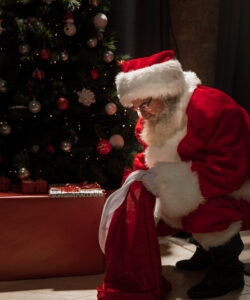
Santa’s story began with Saint Nicholas, a kind-hearted bishop known for helping people in need. His legend spread through Europe, and different cultures adapted the character into their own version. The Dutch had Sinterklaas, while Britain introduced Father Christmas, each with a slightly different personality and look.
The modern Santa, round, cheerful, and dressed in red, developed mostly in America. Artists like Thomas Nast created early illustrations, and later advertisements helped spread the iconic image worldwide. Coca-Cola didn’t invent Santa’s appearance, but their holiday campaigns definitely made him more recognizable.
Santa continues to change with each generation. Some portray him as magical, others more down-to-earth, but the message behind the character stays the same: kindness, joy, and the excitement of giving.
Stockings, Spiders, and Strange Traditions

The tradition of Christmas stockings comes from a story about St. Nicholas secretly helping a struggling family. According to the legend, he dropped coins into stockings that were hanging by the fireplace to dry. This simple act turned into a beloved Christmas habit, especially for children who wait to see what small surprises they might find in their stockings.
The legend of the Christmas spider is another unique tale, especially common in Eastern Europe. It tells of a poor family that had nothing to decorate their Christmas tree with. During the night, spiders spun beautiful webs around the tree, and when the morning sun touched the threads, they looked like strands of gold and silver. Some families still hang little spider ornaments as a reminder of the story.
Many parts of the world follow unusual Christmas customs that reflect local history and imagination. Some include symbolic animals, traditional dances, or special rituals meant to bring protection and good fortune for the new year.
Christmas Was Once Banned
Christmas wasn’t an easy occasion. Surprisingly, it was once banned – one of the lesser-known Christmas history facts. Puritan leaders were used to disliking holiday celebrations in 17th-century England. The excessive and unnecessary festivity brought with Christmas made them believed this, so this is why they banned celebrating it completely. For a while, Christmas nearly vanishes, and feasting or public gatherings were also not a part of celebrations.
Some of these strict ideas were chose by the early American settlers with them. From 1659 to 1681 in Boston, Christmas was illegal. People caught celebrating it could bear fine. In the U.S, the holiday wasn’t widely acceptable until later on. Whereas, now its hard to even imagine.
Did You Know? Surprising Christmas Stats
The U.S. sells around 25 to 30 million real Christmas trees every year. Growing these trees takes patience, because it usually takes about seven to ten years for a tree to reach the right height. Christmas tree farming has become a full industry on its own.
People started to slowly bring it back once the bans were lifted. And over the time, the celebration of Christmas turned into the most cheerful and widely celebrated holidays in England and America, too.
Conclusion
Centuries of stories, traditions, and small historical twists are carried by Christmas, shaping it into a holiday celebrated by us. It is more than presents, familiar songs, and decorations we come across every year. Christmas is a collection of cultural influences, beliefs, and warm memories passed down through families.
One should be learning about the facts behind these traditions or customs, making the season feel more alive and deeper. Whatever the reason, people may celebrate it. However, Christmas continues to connect hearts in ways that are honestly unforgettable and simple.
Read More: Best Christmas Films