Classic American muscle cars include the Pontiac GTO, Shelby GT500, Chevrolet Camaro SS, Dodge Charger, Boss 429 Mustang, Chevelle SS 454 and Plymouth Hemi ’Cuda. This illustrated selection features eight distinct models across nine historic-car photographs, mainly from 1965–1971. It is a curated historical guide, not a ranking by market value or a claim that these cars can never be reproduced.
Why these classic muscle cars matter
The 1960s and early 1970s established many of the names most closely associated with American V8 performance. We selected these examples for their engineering, cultural influence, historic production context or rarity. Trim, engine specification and provenance vary even within a model year. A modern continuation or tribute vehicle should not be mistaken for an original-period car.
For age-based definitions, see How Old Is a Classic Car?; for a wider range of eras and makes, explore Classic Cars.
1965 Pontiac GTO
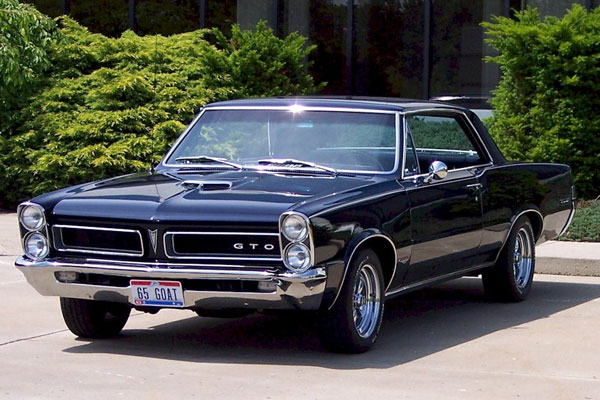
The GTO helped popularise the American muscle-car formula: a relatively accessible mid-size Pontiac offered with a large V8. Trim and performance varied, so this 1965 example should not represent every GTO specification.
The original GTO appeared as an option package in 1964 and gained a wider identity during the following model years. Its appeal was not simply its V8 displacement: buyers could combine a Pontiac intermediate body with substantial torque, manual transmission choices and a relatively usable cabin. The 1965 model is especially recognisable for its vertically stacked headlights. General Motors traces the rise of the American muscle-car category to Pontiac’s early GTO programme. On surviving cars, the exact engine, induction setup, transmission and factory equipment must be verified from build documents rather than the grille or badge alone.
1967 Shelby GT500
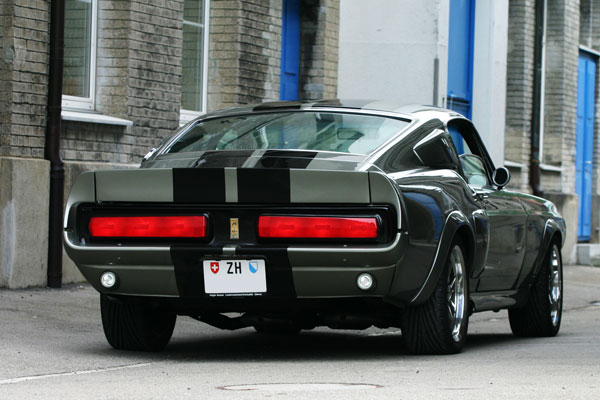
Carroll Shelby’s GT500 translated the Mustang into a high-performance grand tourer. The 1967 model used a big-block V8 and distinguished itself from ordinary production Mustangs.
The 1967 GT500 illustrates how the Mustang could evolve from a mass-market pony car into a specialist high-performance grand tourer. Shelby styling, a revised front end and big-block power made it visually and mechanically distinct from ordinary fastbacks. For collectors, one of the most important questions is whether a vehicle is an original Shelby-produced example or a later tribute. Confirm the underlying Ford serial number, Shelby serial-number information and any available registry documentation before relying on claims of authenticity.
1968 Shelby GT500KR
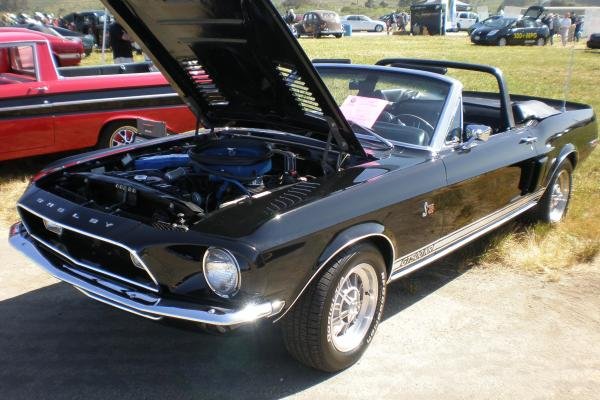
KR stood for King of the Road. The 1968 GT500KR is closely associated with Ford’s 428 Cobra Jet engine, though surviving examples need their build specification checked individually.
The KR was introduced after the 428 Cobra Jet engine became available in 1968. Ford’s historical Mustang material links the King of the Road name specifically to the Cobra Jet-powered GT500KR, offered in fastback and convertible forms. This is not the same specification as every earlier GT500. An authentic KR should be assessed against its original equipment, body style, drivetrain identifiers and restoration history; cosmetic stripes and badges are insufficient evidence. The 1968 model remains an especially useful example of how a small change in engine and factory package can produce a different collector identity.
1969 Chevrolet Camaro SS
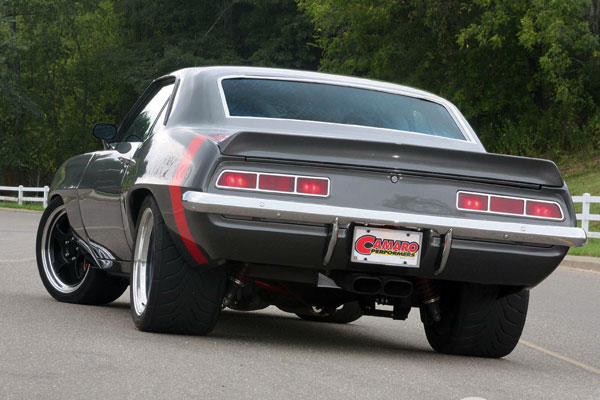
The 1969 Camaro SS is a landmark of the pony-car era. SS was an equipment and performance package, not a single engine configuration across all Camaros.
The Camaro SS belongs to the pony-car segment but overlaps strongly with the traditional muscle-car story because of its optional V8 performance packages. Chevrolet’s own heritage collection features a 1969 SS/RS Indianapolis pace-car replica and explains how its configuration differs from the small number of official pace cars. That is a reminder to distinguish RS appearance equipment, SS performance equipment and any special-edition package. Before treating a Camaro as a particular high-performance specification, check cowl-tag information where applicable, engine and transmission codes, factory paperwork and evidence of subsequent modifications.
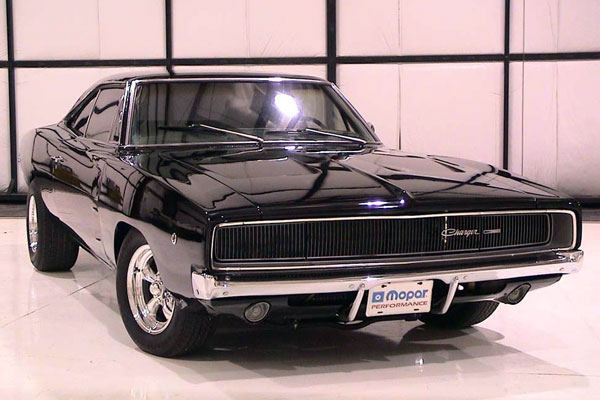
1969 Dodge Charger
The second-generation Dodge Charger became a defining late-1960s muscle-car shape. Its reputation comes from bold styling, available big-block engines and later screen appearances.
The 1969 Charger offered a dramatically different profile from its more compact Mustang and Camaro rivals. Its long fastback-like roofline, recessed grille and full-width rear visual treatment gave it a distinctive presence. The Charger name itself does not identify a specific engine: ordinary models and high-performance versions could differ substantially. For anyone considering one as a collectible, body condition, structural corrosion, evidence of accident repair and originality of drivetrain components can matter more than an eye-catching paint colour or period-style wheels.
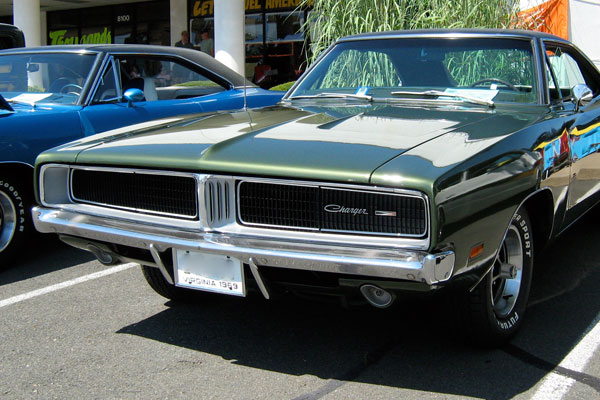
1969 Dodge Charger — second photograph
A second view of the 1969 Charger shows why it remains recognisable. Charger models were offered with different engines and equipment; a photograph alone cannot establish a particular option package.
The second photograph is retained intentionally to show the design from another perspective rather than to imply a ninth distinct model. A Charger R/T, a standard Charger and a later custom build may look similar to a casual observer yet carry different factory equipment and collector significance. Look for records that link the vehicle identification number to a specific build, and compare that evidence with the existing engine, rear axle, interior and trim. Restoration can improve usability while also changing how a car should be described to readers or buyers.
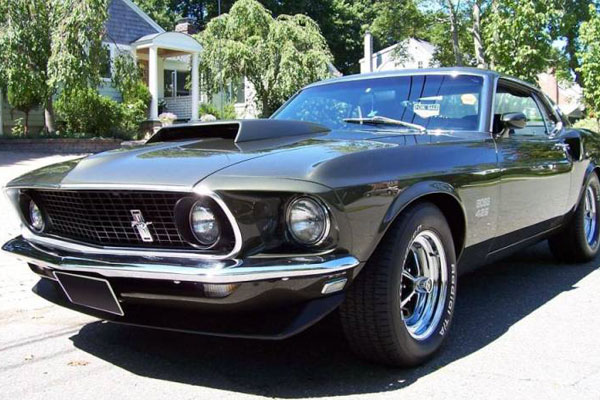
1969 Ford Mustang Boss 429
Ford built the Boss 429 programme around NASCAR homologation, with specialist production work by Kar Kraft. It was an unusually focused Mustang variant rather than a typical showroom trim.
The Boss 429 existed largely because Ford wanted its large 429 V8 approved for NASCAR competition. Installing that engine in a Mustang required extensive changes beyond an ordinary engine swap. Specialist Kar Kraft completed modifications to the engine bay and chassis after initial Ford assembly work. The Boss 429 therefore combines racing homologation history with unusual production engineering. Important provenance details include the Kar Kraft identification, factory records, engine identity and signs of the correct structural modifications. Published production counts can differ depending on whether experimental or other associated vehicles are included, so a single unqualified number is best avoided.
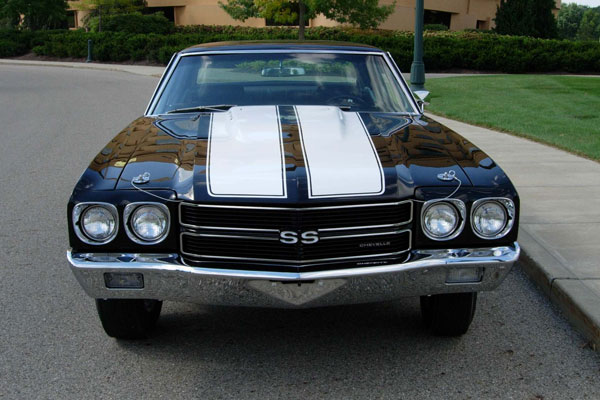
1970 Chevrolet Chevelle SS 454
The 1970 Chevelle SS 454 is remembered for Chevrolet’s big-block muscle-car era. Engine choice and documentation matter because not every 1970 Chevelle carried the LS6 specification.
Chevrolet’s 1970 model year followed a change in GM policy that opened the door to larger engines in its mid-size performance cars. The SS 454 is closely associated with the LS5 and higher-output LS6 versions, but the badges on an existing car do not prove which package it originally carried. Engine stamping, documentation and the vehicle’s build history are especially important. Chevrolet’s historical documentation shows how equipment and options were distinguished; modern replacement engines and restomods should not be described as factory-original LS6 cars without supporting records.
1971 Plymouth Hemi ’Cuda
The 1971 Hemi ’Cuda represents the scarce high-performance end of Plymouth’s Barracuda family. A Hemi badge, matching-numbers drivetrain and documented provenance are important distinctions for collectors.
The 1971 Hemi ’Cuda is notable because it belongs to the final part of the original high-displacement muscle-car peak. Its distinctive styling and the 426 Hemi engine option make genuine examples especially scrutinised by collectors. However, a Barracuda, a ’Cuda and a Hemi-equipped ’Cuda are not interchangeable labels. A convincing identification should reconcile the VIN, body and fender-tag evidence, engine details and known production records. Paint, scoops and decals can be reproduced; provenance cannot be established by appearance alone.
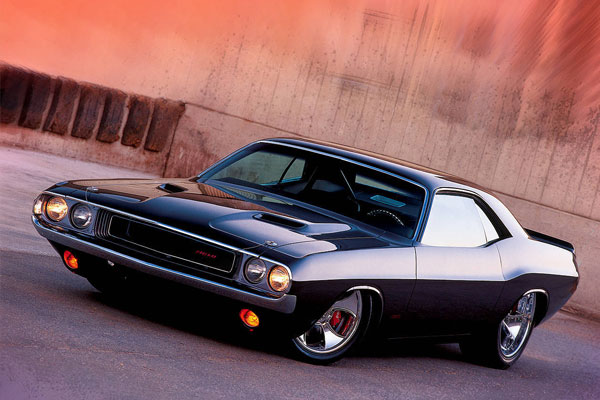
Classic muscle cars compared
| Model | What distinguishes it | Check before buying |
|---|---|---|
| Pontiac GTO (1965) | Early mid-size muscle-car formula | Original engine and factory options |
| Shelby GT500 (1967) | Big-block Shelby Mustang | Shelby identity and documentation |
| Shelby GT500KR (1968) | 428 Cobra Jet King of the Road | Correct KR-specific equipment |
| Camaro SS (1969) | Chevrolet pony-car performance | SS/RS package and drivetrain evidence |
| Dodge Charger (1969) | Full-size visual presence and engine choices | Body structure, trim and powertrain |
| Mustang Boss 429 (1969) | NASCAR homologation engineering | Kar Kraft documentation |
| Chevelle SS 454 (1970) | Peak big-block mid-size Chevrolet | LS5/LS6 claims and build records |
| Plymouth Hemi ’Cuda (1971) | Rare 426 Hemi E-body specification | Authenticity and matching documentation |
How to identify an original classic muscle car
Start with the documents, not the badges. A factory-built high-performance version can differ substantially in value and significance from an otherwise similar base model or later tribute. Compare the VIN and model-year identifiers with factory paperwork, engine and transmission stampings, trim codes, dealer invoices or build sheets where available. For Shelby and Boss 429 cars, specialist registries and records are particularly important.
Inspect the structure. Rust around floors, sills, chassis attachment points, wheel housings and window openings can be expensive to repair properly. Fresh paint can hide work that needs closer inspection. A knowledgeable marque specialist should also assess brakes, steering, suspension, wiring and signs of overheating before road use.
Distinguish restoration from originality. Replacement panels and modern brakes may make a classic more practical, but the car should be described accurately. A restomod with a modern engine is a different proposition from a documented original specification vehicle. Neither is automatically the better choice: it depends on whether the owner values authenticity, regular driving, or both.
Why classic muscle-car prices vary so much
Advertised prices are not the same as completed sales. Model year, factory equipment, surviving production, documentation, condition, originality and restoration quality all influence what buyers are willing to pay. Special engines such as the 428 Cobra Jet, Boss 429, Chevrolet 454 and Chrysler 426 Hemi create additional distinctions, but the precise build matters more than the model name alone. Auction headlines can reflect exceptional provenance; they should not be applied to every car of the same type.
Reference points for further checking
For the origins of the muscle-car era, see GM Heritage. Chevrolet maintains historical model-year information kits for vehicles including the 1969 Camaro and 1970 Chevelle. Ford’s Cobra Jet racing history and its historical Mustang material help distinguish 1968 GT500KR and Boss-era engineering. These sources explain historical specifications; they do not authenticate any particular car offered for sale.
Which classic muscle car should you explore first?
Start with the Pontiac GTO or Camaro SS to understand the everyday muscle-car formula; the Charger and Boss 429 show different approaches to styling and performance. The Shelby, Chevelle SS 454 and Hemi ’Cuda illustrate why factory build records matter as much as badges or claimed horsepower. When researching a particular car, confirm its VIN, trim documentation, engine and restoration history rather than relying on model-name generalisations.