What are the best ski resorts in Europe? There is no single answer because the strongest European ski destinations solve different problems. Val Thorens is a strong choice for high-altitude access to a vast linked ski area, Zermatt combines long-season skiing with iconic scenery, Val d’Isère and Tignes suit skiers who prioritise serious terrain, Chamonix is strongest for mountain history and advanced ambition, Kitzbühel blends skiing with a classic Austrian town, Sölden is useful for high-altitude and glacier skiing, Cortina d’Ampezzo combines Dolomite scenery with Italian resort culture, and Les Arcs works well for mixed abilities inside the large Paradiski domain.
This guide compares European ski resorts by trip type rather than pretending one mountain is objectively best for everyone.
[toc]
Best European Ski Resorts at a Glance
| Resort | Country | Best for | Main trade-off |
|---|---|---|---|
| Val Thorens | France | High-altitude access and huge linked terrain | Purpose-built rather than historic town feel |
| Zermatt | Switzerland | Scenery and long-season skiing | High trip cost |
| Val d’Isère–Tignes | France | Serious skiers and high-altitude terrain | Premium pricing and busy peak periods |
| Chamonix | France | Mountain history and advanced skiers | Less simple for beginners than a compact resort |
| Kitzbühel | Austria | Traditional town and varied skiing | Lower altitude than the highest French resorts |
| Sölden | Austria | High-altitude and glacier skiing | Livelier resort character may not suit everyone |
| Cortina d’Ampezzo | Italy | Dolomite scenery, food and resort atmosphere | Less about one enormous linked ski domain |
| Les Arcs | France | Mixed abilities and linked-area scale | Purpose-built villages vary in atmosphere |
How We Chose These Resorts
WU compares European ski destinations using terrain scale, altitude and snow reliability, suitability for beginners through advanced skiers, town or village experience, access, value and whether a resort offers something meaningfully different from the others. Resort operations, lift networks and prices change, so fixed seasonal figures are treated as context rather than permanent facts.
1. Val Thorens, France — Best for High-Altitude Linked Skiing
Val Thorens sits high in the French Alps and forms part of Les 3 Vallées, one of Europe’s largest linked ski domains. It is a strong choice for travellers who care more about ski-area scale and altitude than traditional village charm.
Choose Val Thorens if: high-altitude skiing, broad piste choice and lift-linked exploration matter most. Think twice if: you want an old mountain town with a strong historic centre.
2. Zermatt, Switzerland — Best for Scenery and a Long Ski Season
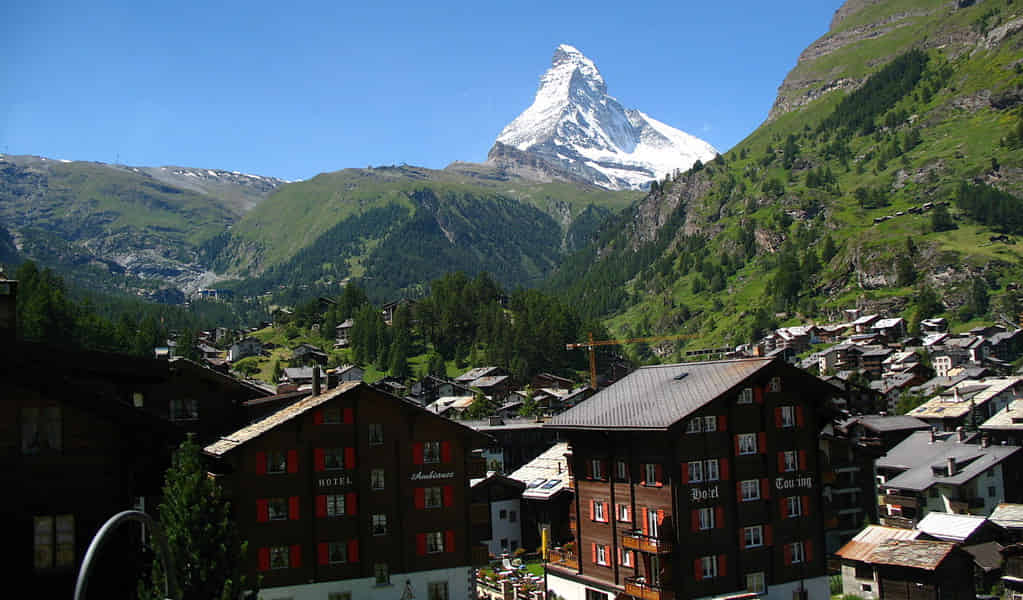
Zermatt is defined by the Matterhorn, high-altitude skiing and a car-free resort town. It is one of the strongest scenery-first choices in Europe and can appeal to intermediate and advanced skiers who also want a polished destination experience.
Choose Zermatt if: scenery, altitude and destination atmosphere justify a premium trip. Think twice if: value is your primary concern.
3. Val d’Isère–Tignes, France — Best for Serious Skiers
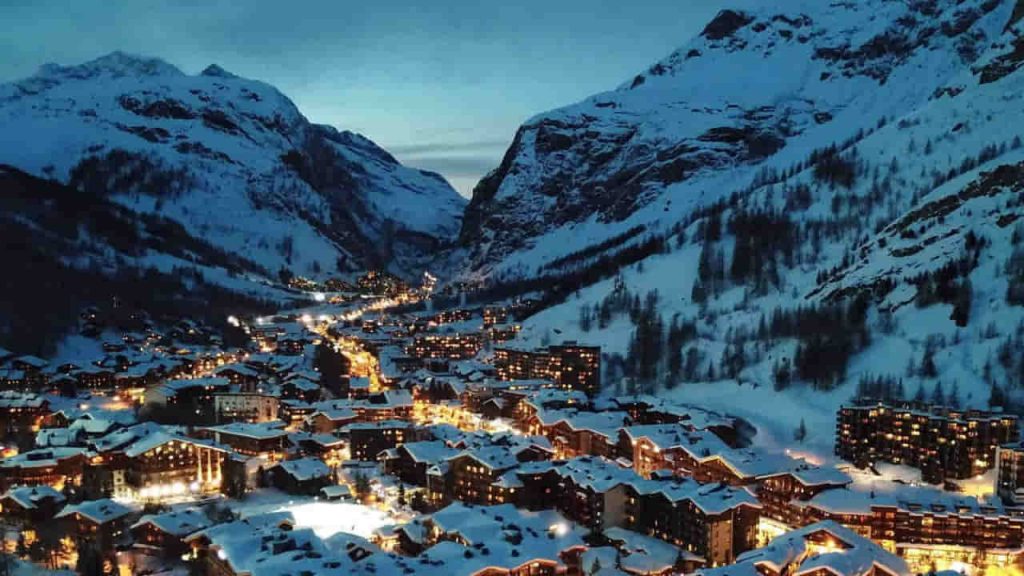
Val d’Isère and Tignes share a large high-altitude ski area with extensive red and black terrain as well as easier sectors. The destination is especially attractive to confident skiers who want several days of terrain variety without changing resorts.
Choose Val d’Isère–Tignes if: your priority is strong skiing first and resort atmosphere second. Think twice if: budget or a quiet village is more important.
4. Chamonix, France — Best for Mountain History and Advanced Ambition
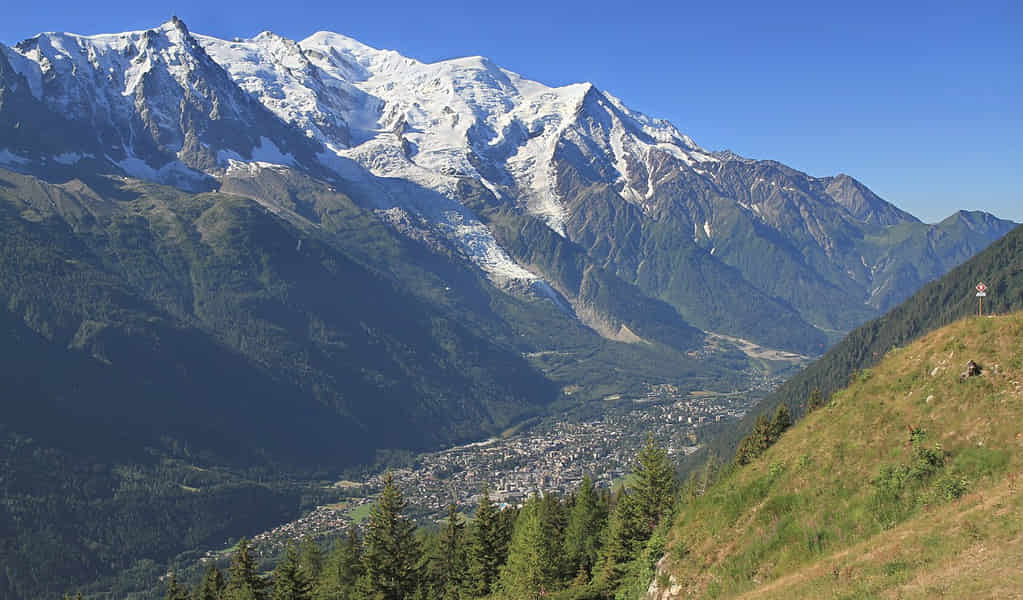
Chamonix is less like one compact ski resort and more like a mountain town surrounded by several ski areas. Its identity is closely tied to alpinism, steep terrain and Mont Blanc. Beginners can ski here, but the destination’s strongest appeal is to experienced mountain travellers.
Choose Chamonix if: mountain culture and advanced skiing matter more than a seamless lift-linked resort. Think twice if: you want the simplest first-time European ski holiday.
5. Kitzbühel, Austria — Best Traditional Town Experience
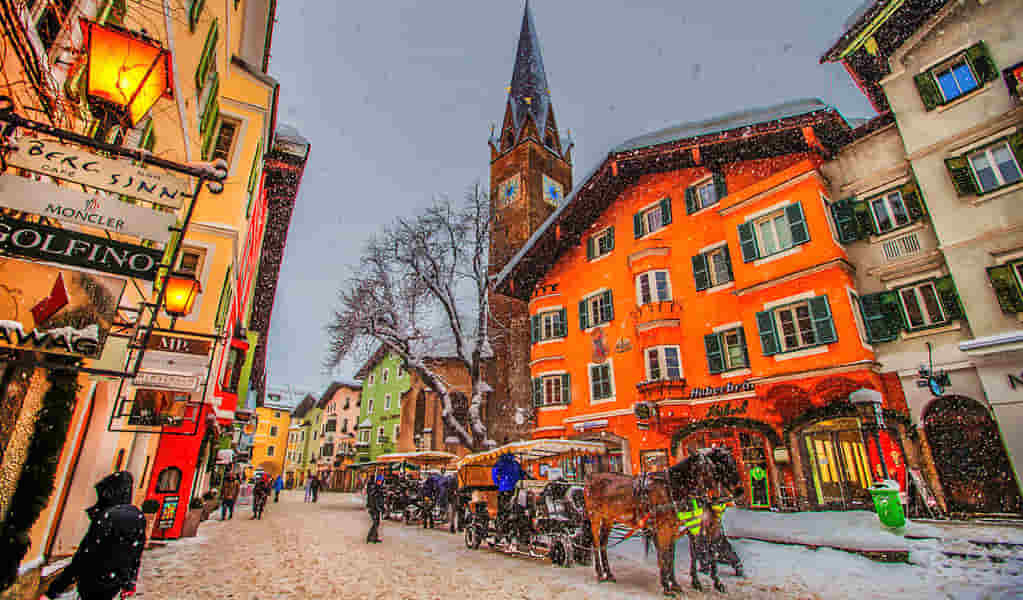
Kitzbühel combines a historic Tyrolean town with a substantial ski area and one of skiing’s best-known World Cup venues. It is a particularly strong choice when restaurants, town atmosphere and skiing need equal weight.
Choose Kitzbühel if: you want classic Austrian atmosphere with varied skiing. Think twice if: the highest possible altitude is your main criterion.
6. Sölden, Austria — Best for High-Altitude and Glacier Skiing
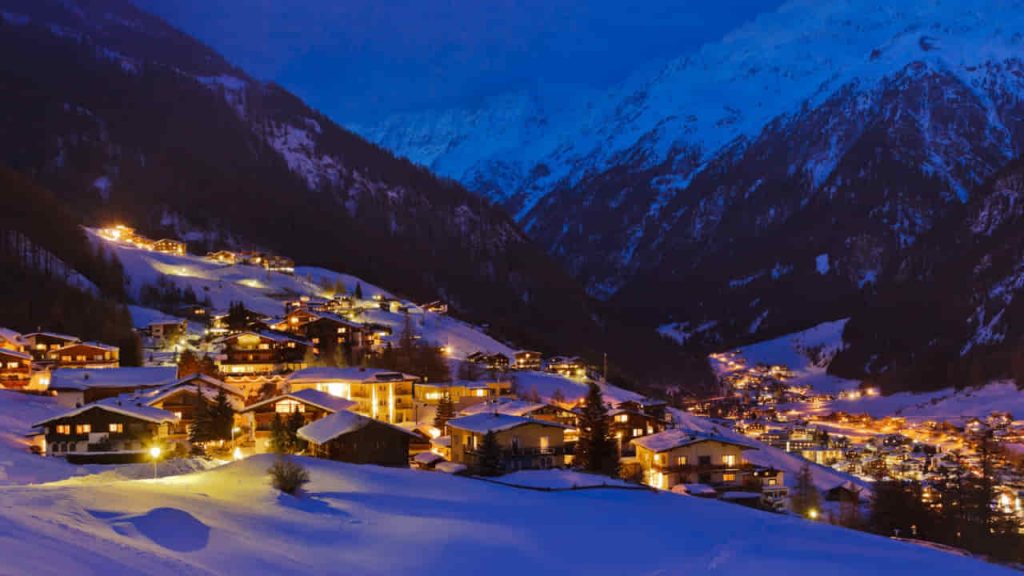
Sölden is a strong fit for travellers prioritising altitude, glacier terrain and a lively resort environment. Its ski product is more important than village tradition, making it a different Austrian choice from Kitzbühel.
Choose Sölden if: snow reliability and high-altitude skiing matter most. Think twice if: you want a quiet, traditional village.
7. Cortina d’Ampezzo, Italy — Best for Dolomite Scenery and Italian Style
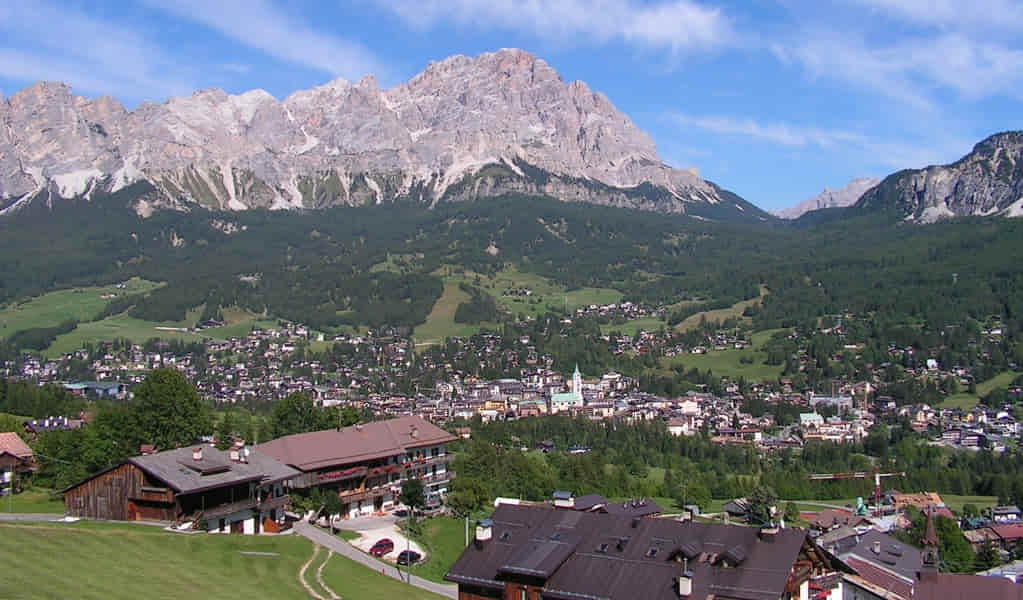
Cortina combines skiing with the visual drama of the Dolomites, Italian food and an established resort town. It hosted events during the Milano Cortina 2026 Winter Olympics, but its enduring reason to visit is the combination of mountain scenery and destination atmosphere rather than the Olympic label itself.
Choose Cortina if: scenery, food and resort culture matter alongside skiing. Think twice if: your only goal is to cover the largest possible connected piste network.
8. Les Arcs, France — Best for Mixed Abilities in a Large Linked Area
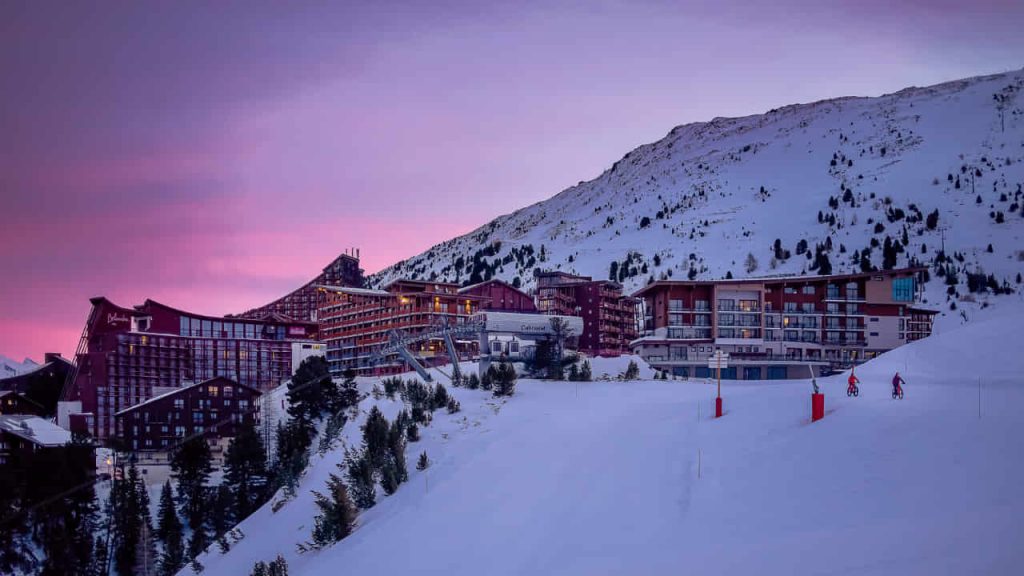
Les Arcs forms part of the Paradiski area and offers a broad range of terrain across several villages. That makes it useful for groups where beginners, intermediates and stronger skiers want different terrain while remaining inside one ski domain.
Choose Les Arcs if: your group values lift-linked scale and different ability levels. Think twice if: old-town character is more important than ski convenience.
Which European Ski Country Fits Your Trip?
- France: strongest for very large linked ski areas and high-altitude purpose-built resorts.
- Austria: especially strong for traditional towns, après-ski and a broad range of resort styles.
- Switzerland: premium pricing, iconic scenery and high-altitude destinations.
- Italy: a strong combination of scenery, food and often better-value on-mountain culture than the most expensive Swiss resorts.
Planning a European Ski Trip
Lift-pass prices, transfer options, snow conditions and opening dates change by season. Compare the current resort calendar and transport route before booking. If you are new to skiing, use our What to Wear Skiing and How to Ski for Beginners guides. For North America, see Best Ski Resorts in the U.S..
Takeaway
The best skiing in Europe depends on what you value. Val Thorens excels for high-altitude linked terrain, Zermatt for scenery and long-season skiing, Val d’Isère–Tignes for serious skiers, Chamonix for mountain culture, Kitzbühel for town atmosphere, Sölden for altitude and glaciers, Cortina for Dolomite character and Les Arcs for mixed-ability groups.