Water sports are activities performed on, in or under water, from swimming and paddling to surfing, sailing, diving and motorised recreation. A useful way to understand the different types of water sports is to group them by how you move: human-powered paddling, board and wave sports, wind-powered sports, motorised or towed activities, underwater sports, and pool or team disciplines.
This guide gives a practical water sports list, explains what each category involves, and helps you choose an activity based on water confidence, environment, equipment and the level of instruction required.
[toc]
Types of Water Sports at a Glance
| Category | Examples | Typical environment |
|---|---|---|
| Paddling & human-powered | Kayaking, canoeing, stand-up paddleboarding, rowing | Lakes, rivers, coast |
| Board & wave | Surfing, bodyboarding, wakeboarding | Ocean, lakes, cable parks |
| Wind-powered | Windsurfing, kitesurfing, sailing | Coast, lakes, open water |
| Motorised & towed | Jet skiing/PWC, water skiing, wakeboarding, parasailing | Lakes, coast, managed activity zones |
| Underwater | Scuba diving, snorkelling, freediving | Sea, lakes, managed dive sites |
| Pool & team | Swimming, diving, water polo, artistic swimming | Pools and competition venues |
| Whitewater & river | Rafting, whitewater kayaking | Moving rivers |
1. Paddling and Human-Powered Water Sports
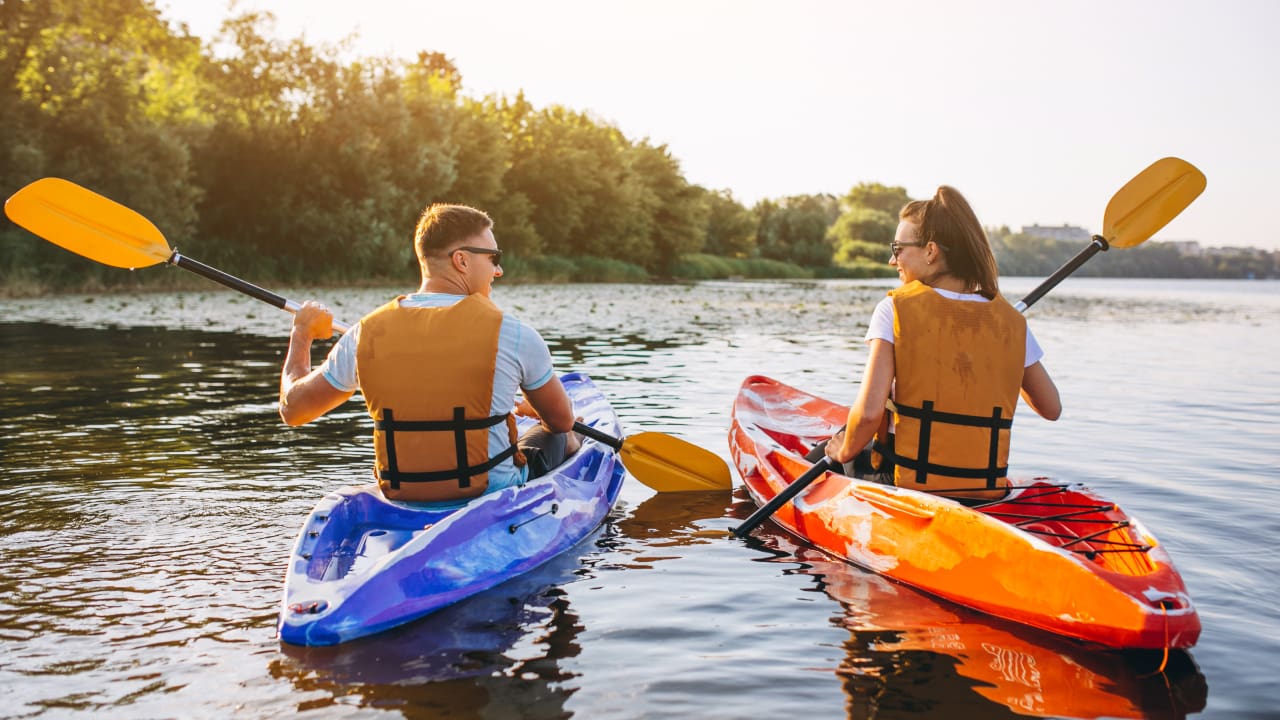
Kayaking, canoeing, rowing and stand-up paddleboarding (SUP) move primarily through human power. The same activity can range from calm-water recreation to technically demanding river or sea travel, so the environment matters as much as the name of the sport.
For beginners, sheltered flat water usually provides the simplest introduction. Whitewater kayaking, exposed sea kayaking and long-distance crossings require additional skills in navigation, rescue, current, weather and equipment.
WU also has a historical profile of paddler Jamie Mitchell, which belongs to this branch rather than the general water-sports overview.
2. Board and Wave Sports
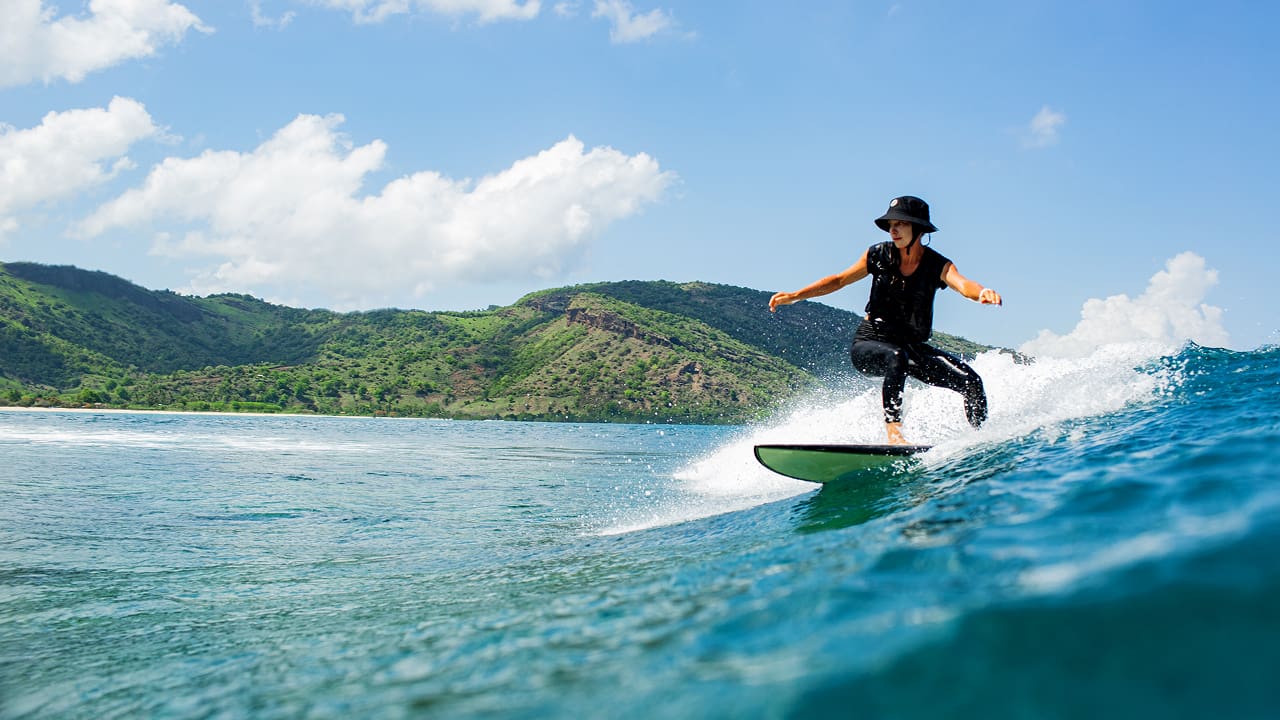
Surfing and bodyboarding use wave energy rather than a paddle or motor. Wakeboarding also uses a board, but the rider is pulled by a boat or cable system, so it overlaps with the towed-sport category.
Board sports differ sharply in learning environment. A beginner surf lesson in small managed waves is very different from reef breaks, large surf or offshore conditions. Equipment, local rules and instruction should match the venue and the participant’s ability.
3. Wind-Powered Water Sports
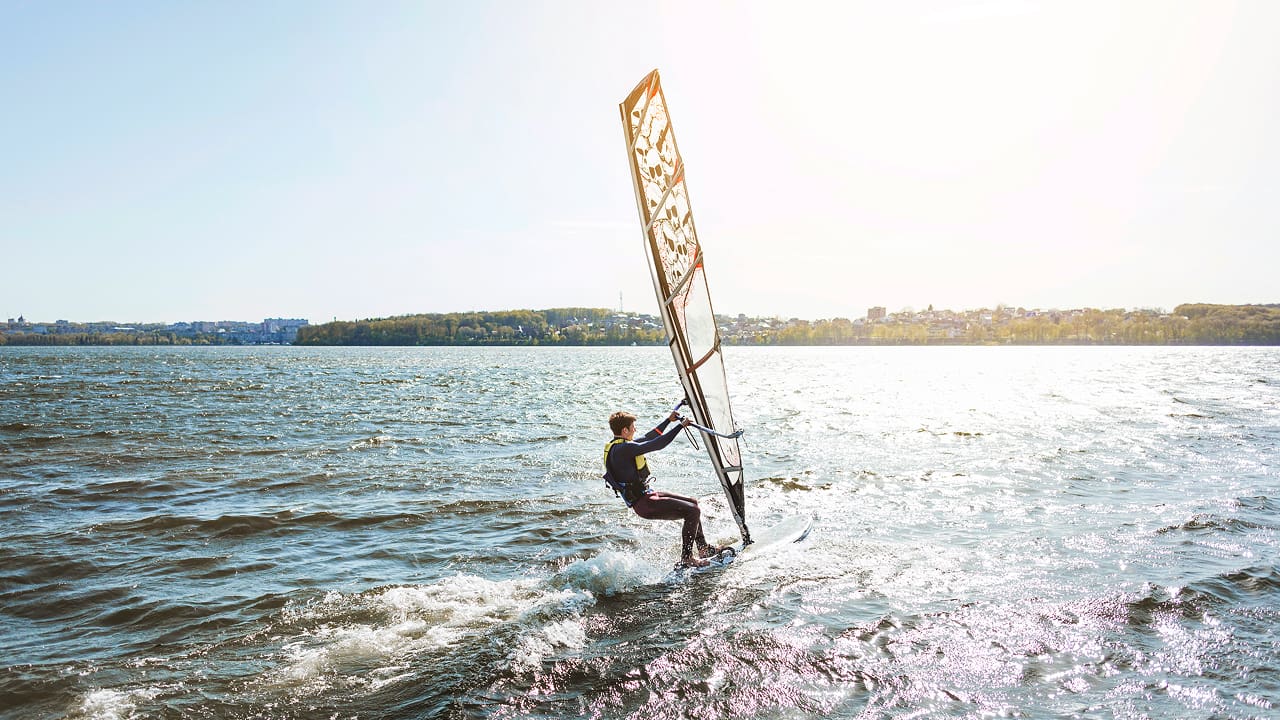
Windsurfing, kitesurfing/kiteboarding and sailing depend on wind as a major source of propulsion. Because wind strength and direction can change quickly, these sports add weather awareness and equipment-control skills to ordinary water confidence.
Kitesurfing in particular should be learned through appropriate instruction because kite control, launch zones and other water users all affect safety. A calm-looking beach does not automatically mean suitable beginner conditions.
4. Motorised and Towed Water Sports
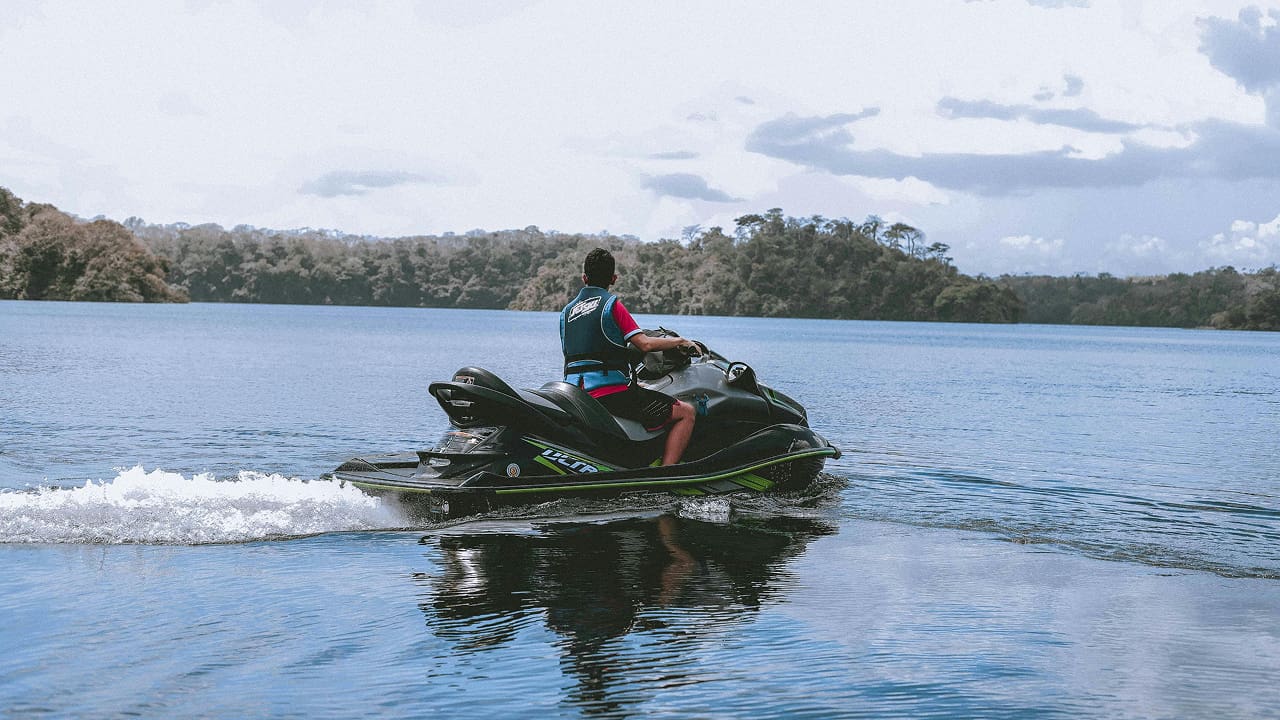
Jet skiing or personal watercraft (PWC), water skiing, wakeboarding and parasailing depend on a motorised craft or towing system. The operator, local navigation rules, speed, traffic and designated activity area therefore become part of the risk picture.
For the PWC branch, see our separate Kawasaki Jet Ski guide. Keeping the brand-specific page separate prevents this general water-sports hub from turning into a product article.
5. Underwater Sports and Activities
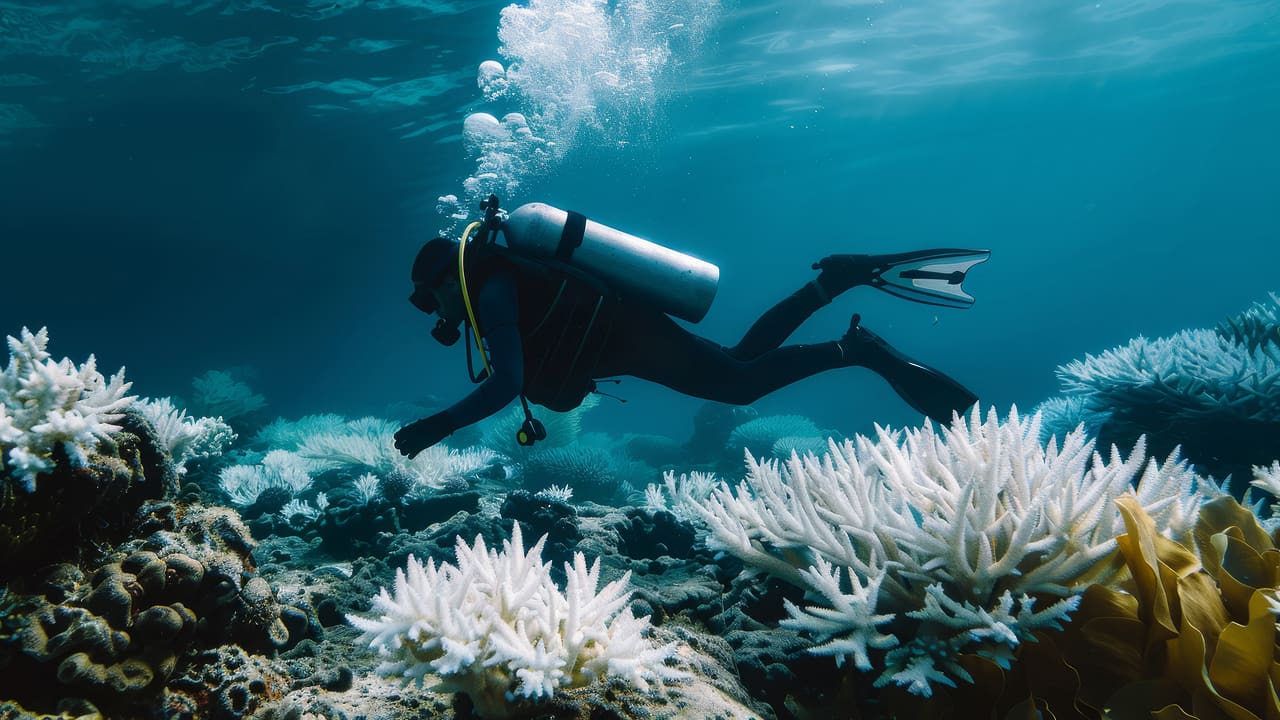
Scuba diving, snorkelling and freediving move the activity below the surface. They are not interchangeable: scuba uses breathing equipment and formal training systems, snorkelling normally stays near the surface, while freediving relies on breath-hold diving and has its own training and safety requirements.
Cave diving and other overhead-environment diving are specialist disciplines with very different consequences from ordinary recreational snorkelling or entry-level scuba. They should not be grouped under one generic risk label simply because all happen underwater.
6. Pool and Team Water Sports
Water sports also include structured pool and competition disciplines such as swimming, diving, water polo and artistic swimming. These differ from adventure-water activities because the environment, rules and rescue access are usually much more controlled.
That distinction matters when comparing difficulty or risk: a regulated pool event should not be treated as equivalent to remote ocean, river or cave exposure.
7. Whitewater and River Sports
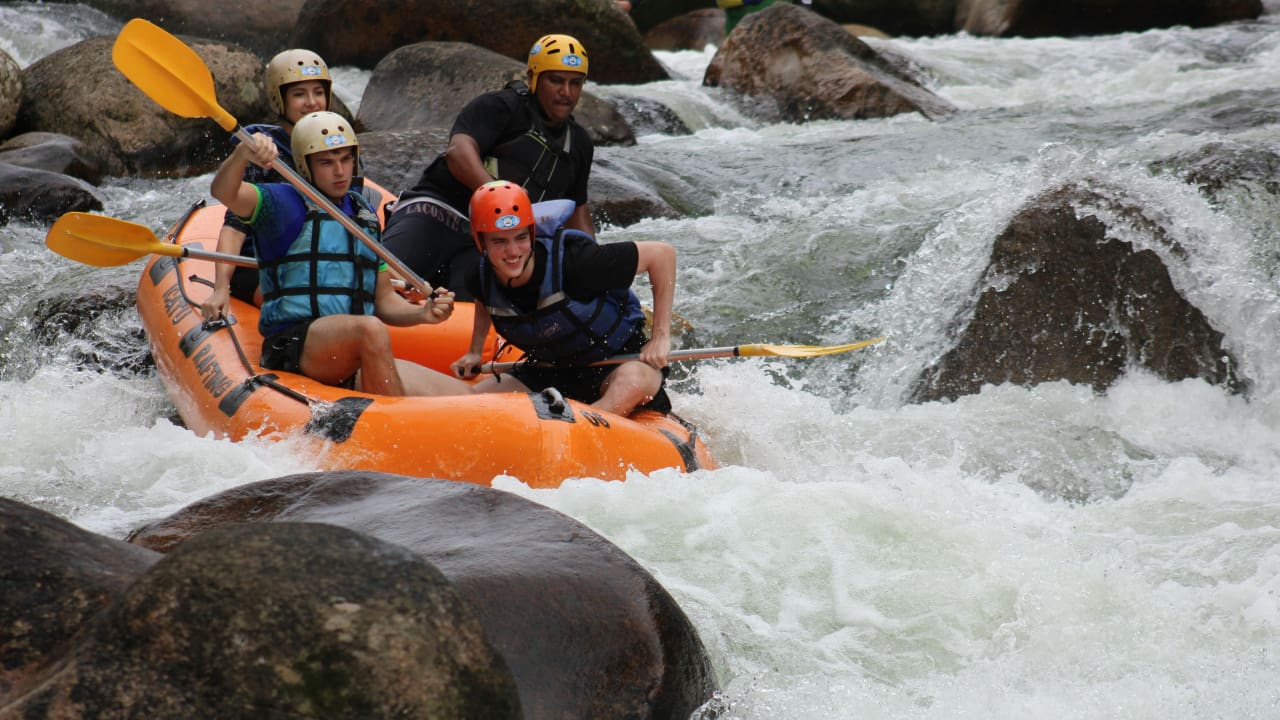
Whitewater rafting and whitewater kayaking add current, rapids, obstacles and changing river levels to the activity. Difficulty depends on the river section, water level, weather, participant ability and the experience of guides or paddlers.
WU does not label rafting universally as one of the world’s most dangerous sports. Published injury and fatality studies use different exposure measures, and risk changes substantially by river and trip type. For cross-sport evidence, see the Most Dangerous Sports guide, which treats whitewater rafting, cave diving, surfing and other activities separately.
How to Choose a Water Sport
| If you want… | Good starting categories to explore |
|---|---|
| Calm-water exercise | SUP, recreational kayaking, swimming |
| Wave riding | Surfing, bodyboarding |
| Wind and technical control | Windsurfing, sailing, kitesurfing with instruction |
| Speed and powered recreation | PWC/jet skiing, water skiing, wakeboarding |
| Underwater exploration | Snorkelling or properly trained scuba diving |
| Team competition | Water polo, rowing, swimming clubs |
| River adventure | Guided rafting or paddling matched to ability |
Before choosing, consider four questions: How confident are you in water? What environment will you be in? What instruction or certification is required? What rescue options exist if something goes wrong? Those questions are more useful than choosing only by how exciting a sport looks.
Are Some Water Sports More Dangerous Than Others?
Yes, but “water sport” is too broad to rank as one risk category. The mechanisms differ: drowning and entrapment matter in whitewater, decompression and overhead-environment hazards matter in specialist diving, collision and speed matter for motorised activities, and wave or reef conditions matter in surfing.
For that reason WU compares individual sports using exposure, injury severity, fatality evidence, environment and rescue access rather than producing a separate “most dangerous water sports” list without comparable data.
Takeaway
There is no single water-sports experience: a pool swimmer, surfer, kayaker, scuba diver and jet-ski rider interact with water in fundamentally different ways. Use the categories above to narrow the activity first, then choose instruction, equipment and conditions that match your ability.