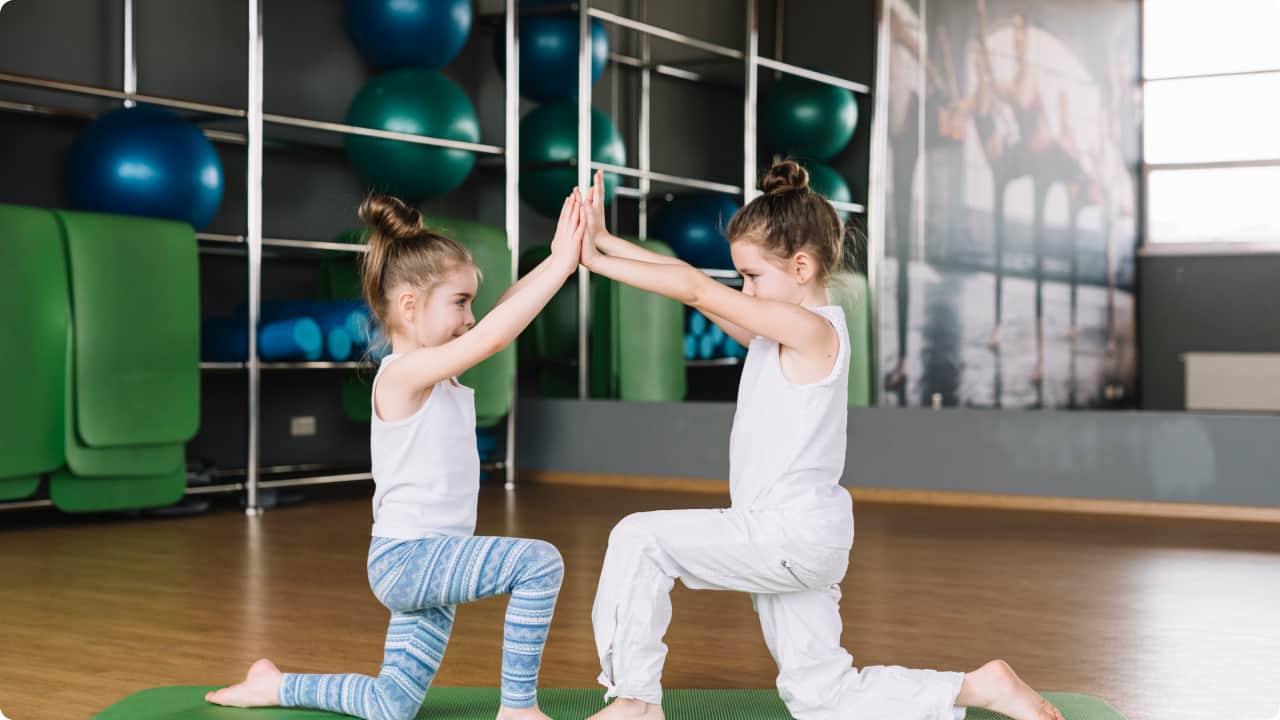
What is the best age for a child to start gymnastics? There is no single correct age. Preschool gymnastics can begin from walking age in programmes designed around play, balance, climbing, rolling and basic movement, while school-age children can start recreational gymnastics later without having “missed” the sport.
For very young children, the goal should not be advanced skills or early competition. The right class is one that matches the child’s developmental stage, uses qualified supervision and keeps movement playful and age-appropriate.
[toc]
Gymnastics Starting Age at a Glance
| Age/stage | Typical class style | Main focus |
|---|---|---|
| Walking age to ~3 | Parent-and-child preschool class | Climbing, balance, coordination, following simple movement games |
| About 3–5 | Independent preschool class | Basic shapes, safe landings, rolls, balance and class routines |
| School age | Recreational gymnastics | Structured skill progressions across floor and apparatus |
| Later starters | Recreational / beginner pathway | Age-appropriate strength, flexibility, coordination and skill learning |
Can Toddlers Start Gymnastics?
Yes, if the programme is specifically designed for preschool children. British Gymnastics’ Rise Discover programme is aimed at children from walking age to school age, and its guidance describes parent-led classes for the youngest children and more independent preschool sessions for older preschoolers.
At this stage, “gymnastics” should look more like structured active play than competitive training. A toddler class may include crawling, climbing, stepping over obstacles, balancing, jumping from low heights and simple rolling activities under supervision.
What Should Preschool Gymnastics Focus On?
- Balance and body awareness
- Basic coordination
- Safe landing habits
- Simple climbing and hanging
- Listening and taking turns
- Confidence moving in a structured environment
The exact skills should be chosen by the coach for the child’s age and readiness. Preschool classes should not be treated as a shortcut to flips, handsprings or high-difficulty competition skills.
Is Age 5 or 6 “Better” for Starting?
Not necessarily. Some children first encounter gymnastics at school age and progress well because they can follow instructions, repeat drills and understand corrections more easily. Others benefit from earlier preschool movement classes. The best starting point depends on the child and the programme—not an arbitrary birthday.
For a broad introduction to the sport and its disciplines, see WU’s Gymnastics guide.
What About Competitive Gymnastics?
Competitive pathways are different from recreational participation. Gymnasts aiming for high-level competition often enter structured training younger because advanced skills take years to develop, but that does not mean every child should train intensively from toddler age.
The priority should remain safe progression, appropriate coaching load and whether the child actually enjoys the sport. Competitive levels and progression are explained separately in Gymnastics Levels.
Can Older Children Start Gymnastics?
Yes. Recreational gymnastics is not limited to children who started in preschool. Older beginners can still learn strength, balance, flexibility, coordination and gymnastics skills through an age-appropriate class. Starting later may change the likely competitive pathway, but it does not remove the value of participating.
For actual skill progressions, use the dedicated Gymnastics Skills guide rather than trying to copy advanced moves at home.
Benefits Without Overpromising
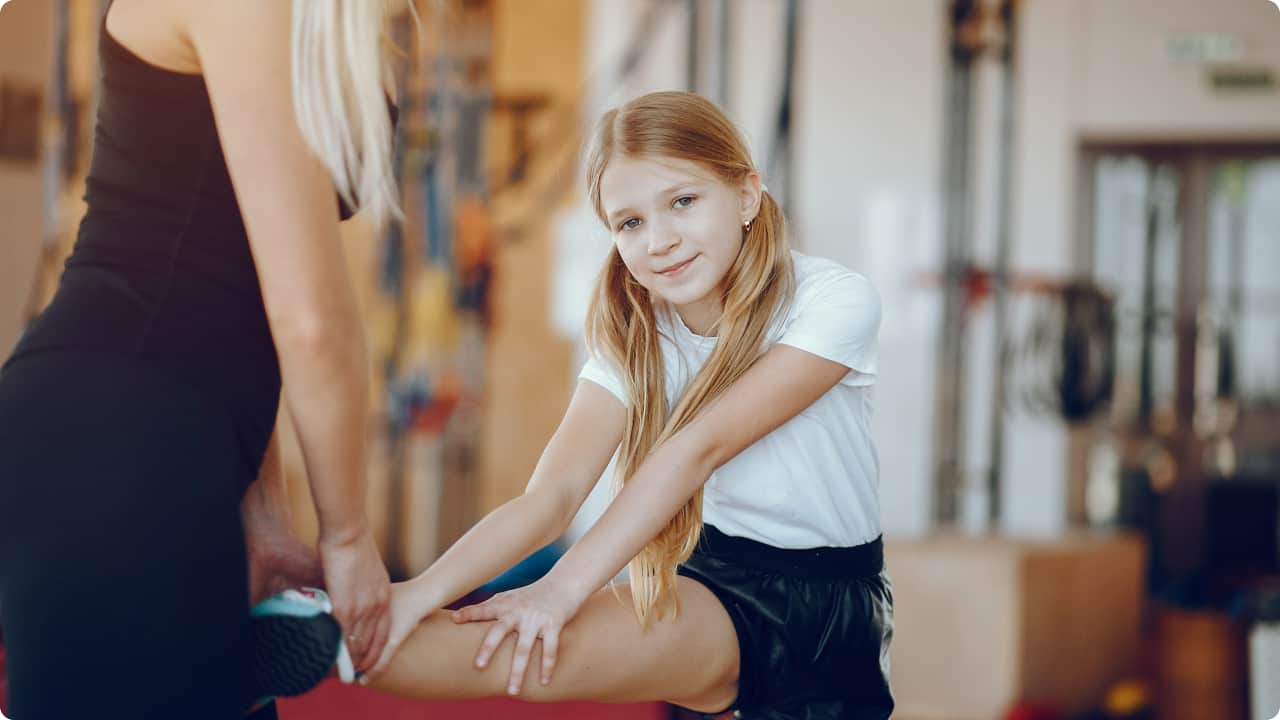
Age-appropriate gymnastics can provide useful movement practice through weight-bearing activity, balance, coordination, flexibility and strength work. Group classes can also help children practise listening, waiting their turn and participating with peers.
These are participation benefits, not medical guarantees. Gymnastics should not be presented as preventing cancer, asthma, diabetes, osteoporosis or every future injury. For a fuller evidence-based discussion, see Benefits of Gymnastics.
How to Choose a Good Preschool Gymnastics Class
- The class is designed for the child’s age group.
- Coaches are appropriately qualified for preschool or recreational gymnastics.
- Equipment is scaled and arranged for young children.
- The session emphasises safe movement and play rather than pressure to master advanced skills.
- Parents understand whether the class is parent-led or independent.
- The child is comfortable, engaged and not being pushed through pain or fear.
What Should a Child Wear?
For most beginner classes, safe fitted sports clothing is enough unless the gym requires a leotard. Avoid loose or snag-prone clothing and follow the club’s hair, jewellery and footwear rules. See What Do Gymnasts Wear to Practice? for the full clothing guide.
Takeaway
Children can begin age-appropriate gymnastics from walking age in preschool programmes, but there is no requirement to start that early. Ages 3–5 are common for independent preschool classes, and school-age children can begin recreational gymnastics successfully too. Choose the class by developmental fit, qualified supervision and enjoyment—not by the idea that a child must start young to benefit.