Gymnastics injuries arise from both acute events—such as awkward landings, falls and collisions—and repetitive loading over weeks or months. The pattern changes by discipline, apparatus, age and competitive level, so there is no single injury rate that describes every gymnast.
The most common concerns include ankle and foot injuries, wrist pain and stress injuries, knee injuries, back pain, and shoulder or elbow problems.
Competitive artistic-gymnastics reviews show that injury patterns differ by sex, apparatus and level, and that higher competitive exposure is associated with greater injury risk.
This guide separates common gymnastics injuries from prevention and risk factors. It covers acute landing injuries as well as overuse problems caused by repeated loading.
For the wider comparison of sport risk, see our most dangerous sports evidence guide; for the sport itself, see what gymnastics is and how its disciplines work.
Evidence note: injury rates are not directly interchangeable across recreational, youth, collegiate and elite gymnastics. Studies also use different injury definitions and exposure denominators, so one universal rate would be misleading.
Exploring Common Gymnastics Injuries
Sprained Ankles
These are one of the most common injuries in gymnastics. They occur when the ankle is twisted or rolled unnaturally. This can happen when landing from a jump or dismount or performing a tumbling pass. Symptoms of a sprained ankle include pain, swelling, and difficulty walking.
Prevention
To prevent ankle sprains, gymnasts should focus on strengthening the muscles around the ankle, wearing proper footwear with good support, and avoiding landing outside the foot.
Wrist Sprains
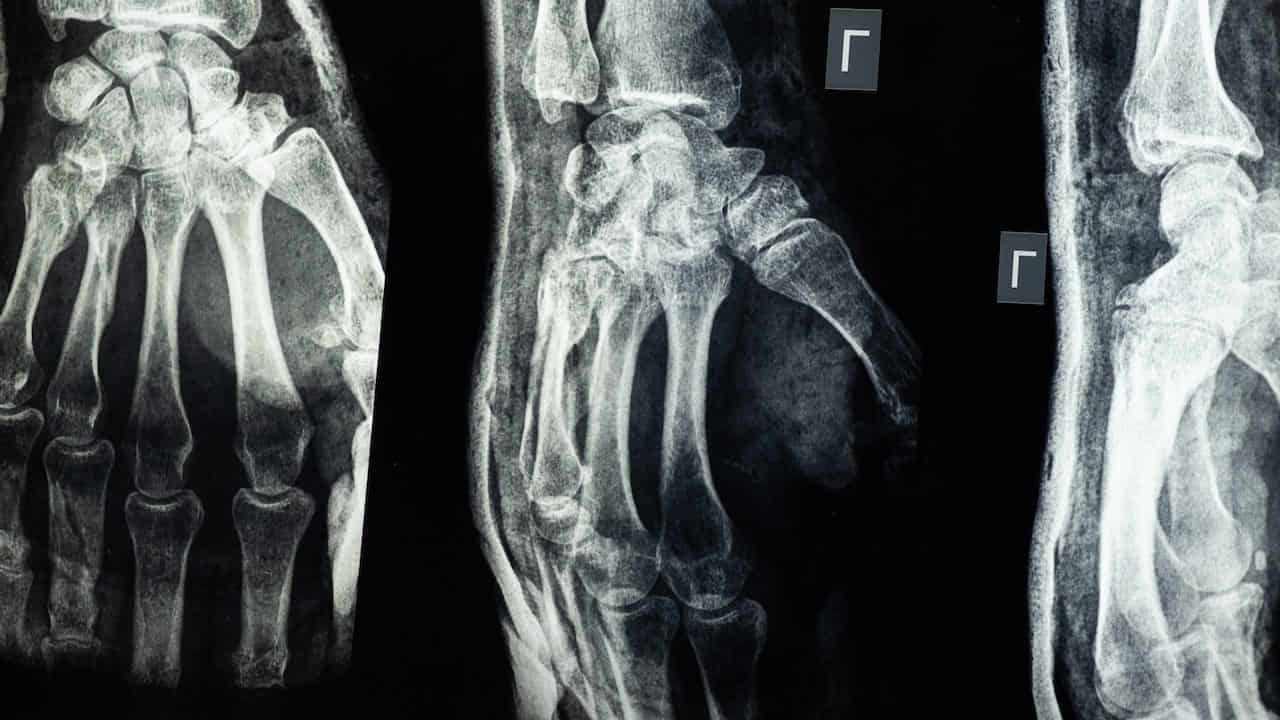
Wrist sprains are also common in gymnastics, especially for those who perform a lot of weight-bearing skills on the hands, such as handstands and vaults. A wrist sprain occurs when the ligaments in the wrist are stretched or torn. Symptoms include pain, swelling, and difficulty moving the wrist.
Prevention
To prevent wrist sprains, gymnasts should focus on wrist strengthening exercises, wear proper wrist guards or wraps, and use proper technique when landing from skills.
Back Injuries
Gymnasts are at risk for various back injuries, including muscle strains, herniated discs, and spinal fractures. These injuries can occur from the repetitive stress placed on the back during training and the impact of landing from high-level skills.
Prevention
To prevent back injuries, gymnasts should strengthen the back and core muscles, maintain proper form and technique during skills, and avoid overtraining and fatigue.
Shoulder Injuries
Shoulder injuries are common in gymnastics due to the amount of overhead and weight-bearing skills performed. These injuries can include rotator cuff strains, dislocations, and labrum tears. Symptoms include pain, weakness, and difficulty moving the arm.
Prevention
To prevent shoulder injuries, gymnasts should strengthen the rotator cuff and shoulder girdle muscles, use the proper technique during skills, and avoid overuse and fatigue.
Knee Injuries
Knee injuries are also common in gymnastics, especially for those who perform a lot of tumbling and jumping skills. These injuries can include ACL tears, patellar tendonitis, and meniscus tears. Symptoms include pain, swelling, and difficulty moving the knee.
Gymnastics Bars
Injuries Gymnastics bars are one of the sport’s most essential and challenging pieces of equipment and can also be the source of many injuries. Gymnasts are at risk of falling from the bars, which can cause various injuries, including wrist and ankle sprains, back and shoulder injuries, and head injuries.
Prevention
To prevent knee injuries, gymnasts should focus on strengthening the muscles around the knee, wearing proper footwear with good support, and avoiding overuse and fatigue.
What the Evidence Shows About Gymnastics Injury Risk
- According to a study published in the Journal of Athletic Training, the surveillance sample recorded 418 injuries across 45,351 athlete-exposures, an overall rate of 9.22 injuries per 1,000 athlete-exposures (AEs). The time-loss injury rate was lower at 3.62 per 1,000 AEs.
AEs are defined as one athlete participating in one practice or competition. The study found that the most common injuries in gymnastics were sprains, strains, and contusions, with the ankle being the most frequently injured body part.
Among injuries reported during an apparatus event, floor exercise accounted for the largest share in this NCAA sample, followed by the uneven bars. Apparatus patterns should not be treated as universal across every level of gymnastics.
- Another study published in the International Journal of Sports Medicine found that female gymnasts are at a higher risk of injury than male gymnasts.
The most common injuries are to the lower extremities and the trunk. The study also found that the risk of injury increases with age, with older gymnasts being more susceptible to injuries such as stress fractures and overuse injuries.
The evidence supports a mixed acute-and-overuse injury profile rather than one apparatus being universally responsible for the most serious injuries. Risk reduction depends on appropriate progression, technique, supervised training, suitable equipment and responding early to persistent pain rather than training through it.
Distribution of Body Parts Injured in National Collegiate Athletic Association Women’s Gymnastics, 2009–2010 Through 2013–2014a
| Body Part | Injuries in Sample, No. (%) | Rate (95% Confidence Interval) per 1000 Athlete-Exposures | Non–Time-Loss Injuries, No. (%) | Severe Injuries, No. (%)b | Requiring Surgery, No. (%) | Recurrent Injuries, No. (%) |
| Head/Face | 20 (4.8) | 0.44 (0.25, 0.63) | 5 (25.0) | 3 (15.0) | 1 (5.0) | 0 (0.0) |
| Neck | 3 (0.7) | 0.07 (0.00, 0.14) | 1 (33.3) | 0 (0.0) | 0 (0.0) | 0 (0.0) |
| Shoulder/Clavicle | 27 (6.5) | 0.60 (0.37, 0.82) | 16 (59.3) | 2 (7.4) | 2 (7.4) | 8 (29.6) |
| Arm/Elbow | 35 (8.4) | 0.77 (0.52, 1.03) | 20 (57.1) | 10 (28.6) | 2 (5.7) | 5 (14.3) |
| Hand/Wrist | 14 (3.4) | 0.31 (0.15, 0.47) | 10 (71.4) | 0 (0.0) | 2 (14.3) | 2 (14.3) |
| Trunk | 56 (13.4) | 1.23 (0.91, 1.56) | 33 (58.9) | 7 (12.5) | 3 (5.4) | 8 (14.3) |
| Hip/Thigh/Upper Leg | 29 (6.9) | 0.64 (0.41, 0.87) | 23 (79.3) | 1 (3.5) | 0 (0.0) | 2 (6.9) |
| Knee | 43 (10.3) | 0.95 (0.66, 1.23) | 21 (48.8) | 13 (30.2) | 9 (20.9) | 4 (9.3) |
| Lower Leg/Achilles Tendon | 57 (13.6) | 1.26 (0.93, 1.58) | 43 (75.4) | 4 (7.0) | 3 (5.3) | 12 (21.1) |
| Ankle | 75 (17.9) | 1.65 (1.28, 2.03) | 41 (54.6) | 5 (6.7) | 2 (2.7) | 20 (26.7) |
| Foot | 52 (12.4) | 1.15 (0.83, 1.46) | 31 (59.6) | 7 (13.5) | 2 (3.9) | 6 (11.5) |
| Other | 7 (1.7) | 0.15 (0.04, 0.27) | 5 (71.4) | 0 (0.0) | 0 (0.0) | 1 (14.3) |
| Total | 418 (100.0) | 9.22 (8.33, 10.10) | 249 (59.6) | 52 (12.4) | 26 (6.2) | 68 (16.3) |
b Includes injuries that resulted in time loss >3 weeks or the student-athlete prematurely ending his or her season.
Conclusion
In conclusion, gymnastics is a physically demanding sport requiring much from the body.
Injuries can occur, but by taking proper precautions, such as focusing on gymnastics strength and technique and avoiding overuse and fatigue, gymnasts can reduce their risk of injury and continue to train and compete safely.